
Table of Contents
Professionals searching for potassium humate for fruit trees need controls that fit potassium humate. Locate the orchard’s active wetted root zone is the first control; set a soil-based objective for each block establishes the next. The order below mirrors how the decision is prepared, checked, and reviewed in practice.
Drip lines, micro-sprinklers, rainfall, canopy size, and soil texture shape where feeder roots remain active. At the same time, review ph, salinity, organic matter, nutrient results, drainage, and yield history. Taken together, those details set the baseline for potassium humate for fruit trees. Any unresolved safety, compatibility, or compliance question should be cleared before scale-up.
Locate the orchard’s active wetted root zone
Drip lines, micro-sprinklers, rainfall, canopy size, and soil texture shape where feeder roots remain active. Applying beside the trunk may miss much of that zone. These points deserve a separate step because changing them together with several other inputs would make potassium humate for fruit trees hard to interpret.
Map moisture and fine roots before choosing the band or ring. Preserve a simple baseline for the next review. The decision should be carried forward from written evidence rather than memory.
Compare potassium humate product with the requirement to locate the orchard’s active wetted root zone. The product page supplies form and declared information; the potassium humate for fruit trees decision still depends on the field or purchasing evidence described here.
Set a soil-based objective for each block
A young block on coarse soil and a mature block with compacted alleys need different plans. Review pH, salinity, organic matter, nutrient results, drainage, and yield history. Together, these points define a boundary that the potassium humate for fruit trees plan should not cross without new evidence.
Write a separate objective for uniform and weak zones. Name the person who will make that check and keep the observation with the field, batch, or shipment record. This makes the process easier to revisit after the immediate work is finished.
The FAO integrated plant nutrition guidance gives broader nutrient-management context for set a soil-based objective for each block. Use that systems view when placing potassium humate for fruit trees beside water, crop, soil, and environmental responsibilities.
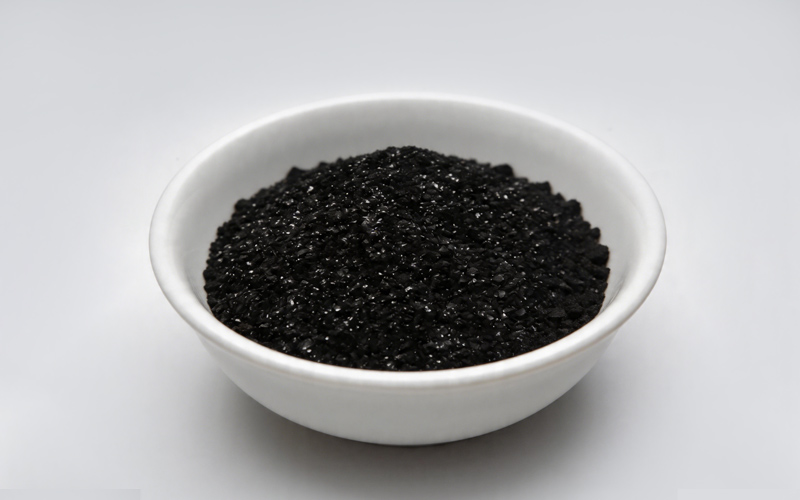
Choose powder, flake, liquid, or granule for the route
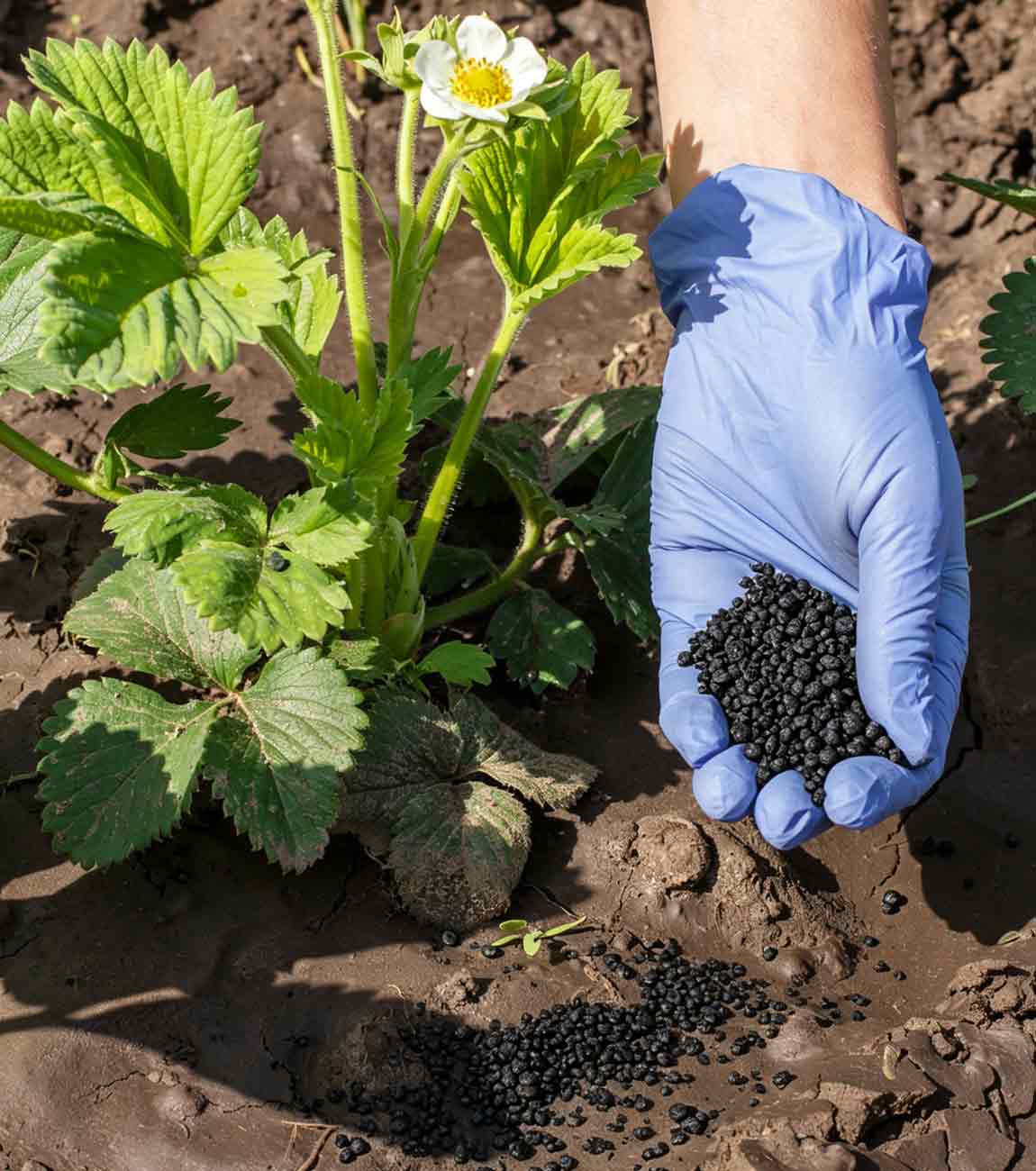
Physical form affects dissolution, metering, storage, and placement. A highly soluble grade may fit injection while a granular grade may fit soil spreading. The two conditions belong in the same potassium humate for fruit trees review because a change in either one can alter the meaning of the result.
Verify the actual specification and equipment limits. Decide in advance what would justify continuing, adjusting, or stopping. That decision rule keeps the process useful when the outcome is less clear than expected.
Review Potassium Fulvate Series while checking choose powder, flake, liquid, or granule for the route. It provides an adjacent product view, but a different physical form or delivery route may require a different quality test.
Schedule around roots, irrigation, and crop load
Root activity and nutrient demand change from establishment through flowering, fruit fill, harvest, and post-harvest. Avoid assuming one calendar date fits every climate or cultivar. For this part of potassium humate for fruit trees, treat both as facts to verify rather than assumptions inherited from another crop, water source, machine, or supplier.
Coordinate with soil moisture and the orchard’s complete nutrient plan. Note the relevant date, location, lot, and operating condition. A later comparison is credible only when it can be traced to the circumstances in which it was made.
The USDA NRCS soil health resources supports a connected view of soil function. It is especially relevant to potassium humate for fruit trees where avoid assuming one calendar date fits every climate or cultivar.
Keep potassium accounting accurate
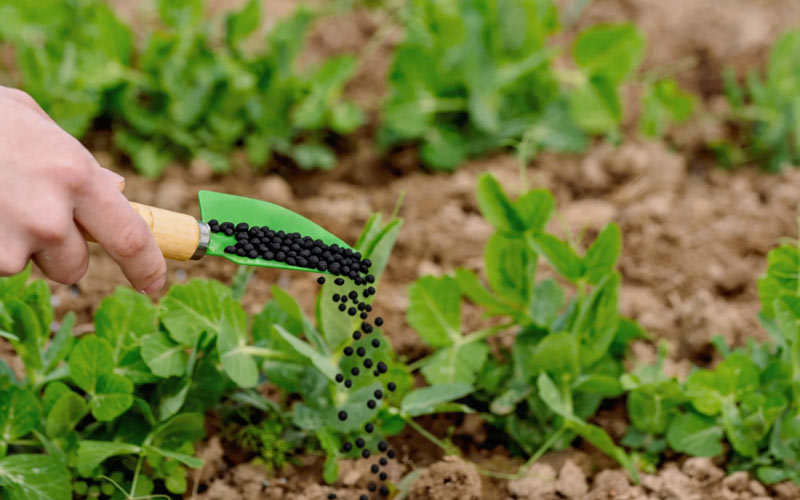
Potassium humate contributes some potassium according to its declared analysis and applied amount. Include it in the nutrient budget without treating it as a complete potassium program. The consequence for potassium humate for fruit trees is straightforward: this is a distinct control point and should not be hidden inside a general application or purchase instruction.
Use soil, tissue, and crop guidance for the primary nutrient decision. If it cannot be completed, reduce the scope of the trial or hold the decision until the missing condition is resolved.
The US EPA nutrient management overview adds public-interest context to keep potassium accounting accurate. It reinforces the need to keep potassium humate for fruit trees within nutrient, label, and environmental limits.
Prevent concentration and emitter problems
Fertigation requires dissolution, filtration, compatible water, and adequate line flushing. Soil placement requires even distribution and suitable moisture. That relationship determines how this stage of potassium humate for fruit trees should be explained to operators and evaluated by technical staff.
Check filters, end emitters, and wetted depth during the first use. Compare the outcome with the original objective, not with an unrelated visual change. Keep other major variables stable long enough to learn something useful.
Use the site’s potassium humate drip irrigation guide as supporting background for prevent concentration and emitter problems. The present page remains focused on the narrower question in its H1.
Monitor orchard response without over-attribution
Tree vigor, leaf analysis, fruit load, soil condition, and irrigation uniformity all affect the outcome. Compare like blocks and record concurrent management changes. Before the team advances potassium humate for fruit trees, convert this point into a check that can be performed under normal farm, plant, warehouse, or loading conditions.
Use more than one season when evaluating soil-directed goals. Write down both the acceptable condition and the stop condition. Clear limits reduce preventable damage and shorten any later investigation.
The Utah State University Extension nutrient management guide offers additional extension context for monitor orchard response without over-attribution. Combine it with local crop recommendations and the written potassium humate for fruit trees record.
Schedule around roots, irrigation, and crop load: Questions and Records
This table links the H1 to a question, a responsible action, and a record suitable for later review. For this title, the relevant operating point is schedule around roots, irrigation, and crop load.
| Decision point | Working question | Required record |
|---|---|---|
| Locate the orchard’s active wetted root zone | Drip lines, micro-sprinklers, rainfall, canopy size, and soil texture shape where feeder roots remain active? | Record the baseline before approval |
| Set a soil-based objective for each block | A young block on coarse soil and a mature block with compacted alleys need different plans? | Confirm the operating condition |
| Choose powder, flake, liquid, or granule for the route | Physical form affects dissolution, metering, storage, and placement? | Assign a measurable field or quality check |
| Schedule around roots, irrigation, and crop load | Root activity and nutrient demand change from establishment through flowering, fruit fill, harvest, and post-harvest? | Set a stop rule and review point |
Do not mark a line complete from memory; attach the measurement, photograph, certificate, or observation. The article-specific review returns to choose powder, flake, liquid, or granule for the route.
Questions Raised by Set a soil-based objective for each block
Which evidence supports “Locate the orchard’s active wetted root zone”?
Drip lines, micro-sprinklers, rainfall, canopy size, and soil texture shape where feeder roots remain active. That evidence forms the starting point for potassium humate for fruit trees; the applicable label and local requirements still control final use.
How should “Set a soil-based objective for each block” be checked?
For potassium humate for fruit trees, review ph, salinity, organic matter, nutrient results, drainage, and yield history. Treat the check as a separate decision so unrelated changes do not hide its effect.
What can a specification confirm about potassium humate for fruit trees?
A potassium humate for fruit trees specification can describe the material, but it cannot replace the field or operating fact that a highly soluble grade may fit injection while a granular grade may fit soil spreading.
Which sign should stop this program?
Pause potassium humate for fruit trees when the stated condition cannot be verified, safety is uncertain, or the team cannot use soil, tissue, and crop guidance for the primary nutrient decision.
What should be retained after “Monitor orchard response without over-attribution”?
Potassium Humate For Fruit Trees records should keep the product and lot, date, location, baseline, operating conditions, observations, and the decision made after staff use more than one season when evaluating soil-directed goals.
That is why potassium humate for fruit trees should be reviewed against the article’s own checkpoints before the team changes a field, formulation, or purchase decision.
Keep potassium humate for fruit trees connected to those observations when the next crop stage or supply lot is reviewed.
Document potassium humate for fruit trees with the same field, water, equipment, and product evidence used elsewhere in this guide.
Monitor orchard response without over-attribution Before the Next Step
Tree vigor, leaf analysis, fruit load, soil condition, and irrigation uniformity all affect the outcome. That final control connects the earlier requirements to an evidence-based potassium humate for fruit trees decision. Use the seven section records together; one favorable observation should not erase a failed safety, compatibility, field, or quality condition.
To discuss locate the orchard’s active wetted root zone, schedule around roots, irrigation, and crop load, or the specification for potassium humate, contact the technical team. Bring the intended use and the records named above so the next potassium humate for fruit trees step begins with the facts that matter to this H1.