
Table of Contents
This guide examines potassium fulvate seedling root development through the daily work of seedling establishment. Define a healthy seedling before treatment is the first control; check substrate chemistry and air space establishes the next. The result is a title-led workflow with separate technical, operational, and review stages.
Root length alone is not enough; branching, color, root-to-shoot balance, substrate binding, and transplant recovery matter. At the same time, a fulvate input cannot overcome a saturated or saline plug. Taken together, those details set the baseline for potassium fulvate seedling root development. No general article can replace the registered label, destination rules, or site-specific professional judgment.
Define a healthy seedling before treatment
Root length alone is not enough; branching, color, root-to-shoot balance, substrate binding, and transplant recovery matter. Create a baseline from untreated seedlings. In day-to-day work, that makes this a scheduling and responsibility question inside the potassium fulvate seedling root development program.
Use the same age and cultivar for comparison. Ask the people doing the work what they observed; handling details and field variation often explain differences that a laboratory sheet cannot show.
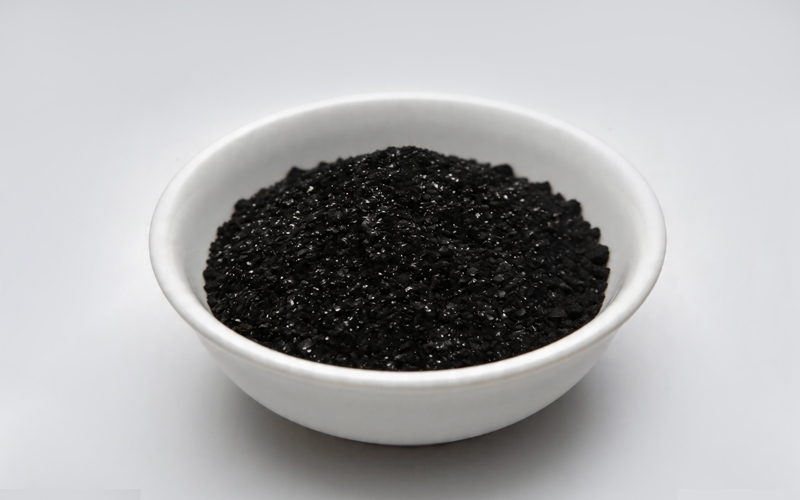
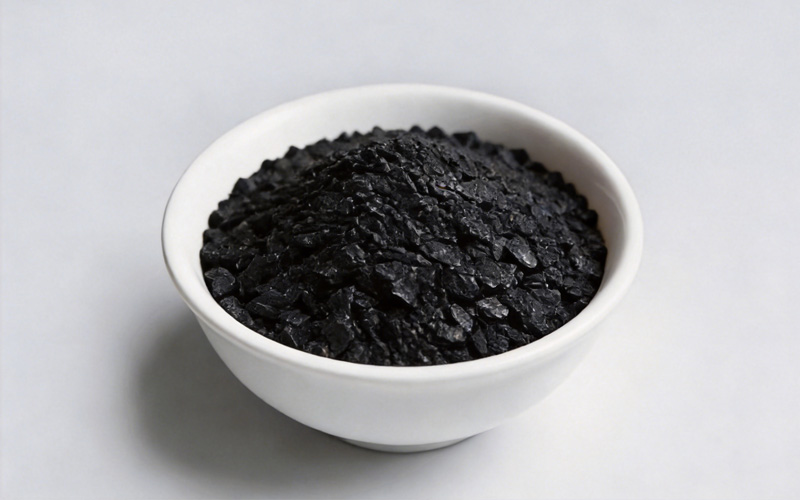
Compare mineral-derived potassium fulvate with the requirement to define a healthy seedling before treatment. The product page supplies form and declared information; the potassium fulvate seedling root development decision still depends on the field or purchasing evidence described here.
Check substrate chemistry and air space
pH, electrical conductivity, moisture, drainage, and compaction strongly influence early roots. A fulvate input cannot overcome a saturated or saline plug. These points deserve a separate step because changing them together with several other inputs would make potassium fulvate seedling root development hard to interpret.
Correct the growing-medium problem before adding another variable. Preserve a simple baseline for the next review. The decision should be carried forward from written evidence rather than memory.
The FAO integrated plant nutrition guidance gives broader nutrient-management context for check substrate chemistry and air space. Use that systems view when placing potassium fulvate seedling root development beside water, crop, soil, and environmental responsibilities.
Use low-volume systems with extra precision
Small cells and trays magnify mixing and dosing errors. Stock concentration, injector calibration, and distribution uniformity deserve verification. Together, these points define a boundary that the potassium fulvate seedling root development plan should not cross without new evidence.
Measure output at different bench and line positions. Name the person who will make that check and keep the observation with the field, batch, or shipment record. This makes potassium fulvate seedling root development easier to revisit after the immediate work is finished.
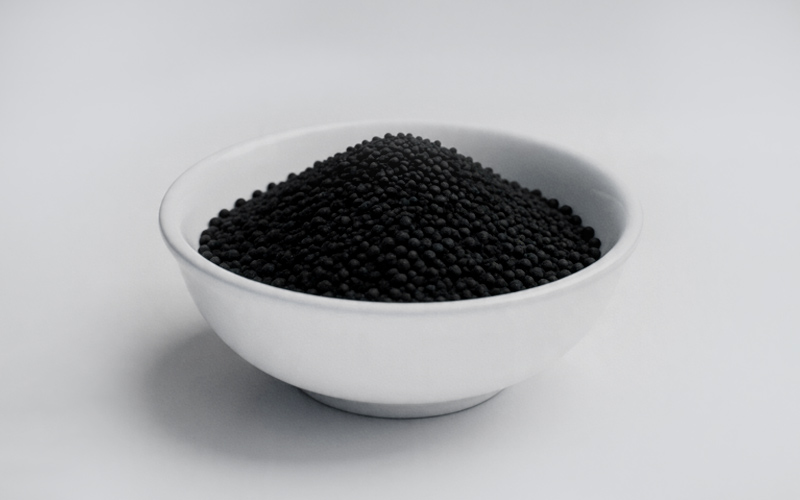
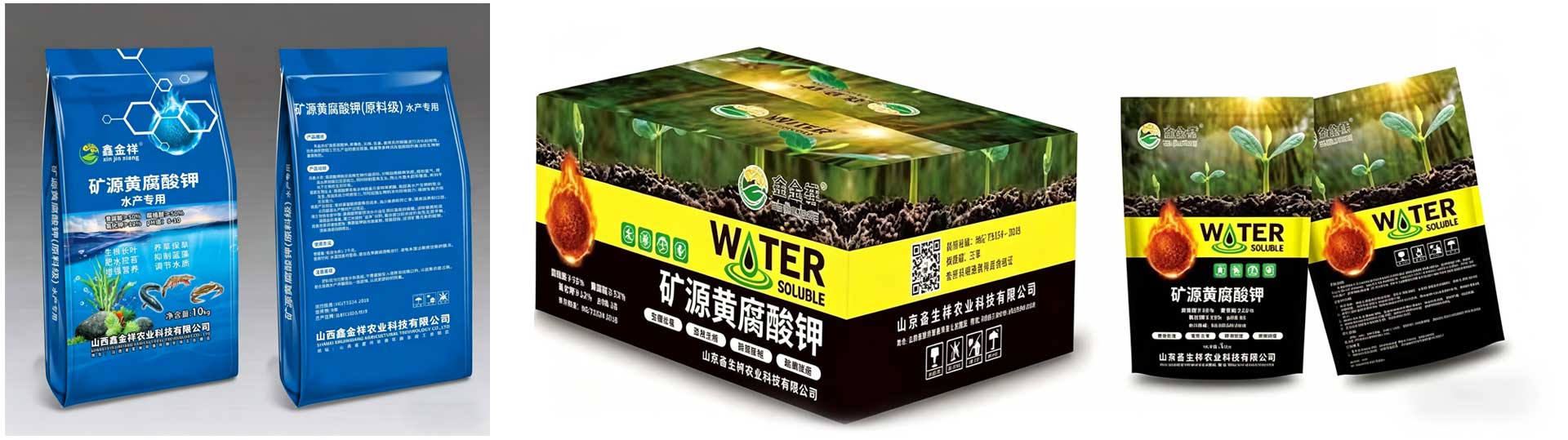
Review Potassium Fulvate Series while checking use low-volume systems with extra precision. It provides an adjacent product view, but a different physical form or delivery route may require a different quality test.
Choose timing around root initiation and transplanting
An early application, later nursery application, and transplant drench create different exposures. The best window depends on crop sensitivity and the rest of the feeding program. The two conditions belong in the same potassium fulvate seedling root development review because a change in either one can alter the meaning of the result.
Avoid multiple simultaneous treatment changes. Decide in advance what would justify continuing, adjusting, or stopping. That decision rule keeps the process useful when the outcome is less clear than expected.
The USDA NRCS soil health resources supports a connected view of soil function. It is especially relevant to potassium fulvate seedling root development where the best window depends on crop sensitivity and the rest of the feeding program.

Protect tender tissue from concentration stress
Young roots and leaves can be more sensitive to salts and incompatible mixtures. Count potassium and all other dissolved inputs. For this part of potassium fulvate seedling root development, treat both as facts to verify rather than assumptions inherited from another crop, water source, machine, or supplier.
Use label directions and a small batch before treating commercial inventory. Note the relevant date, location, lot, and operating condition. A later comparison is credible only when it can be traced to the circumstances in which it was made.
The US EPA nutrient management overview adds public-interest context to protect tender tissue from concentration stress. It reinforces the need to keep potassium fulvate seedling root development within nutrient, label, and environmental limits.
Evaluate the plug after extraction
Top growth can look uniform while roots differ inside the cell. Remove representative plugs and inspect distribution, circling, discoloration, and substrate moisture. The consequence for potassium fulvate seedling root development is straightforward: this is a distinct control point and should not be hidden inside a general application or purchase instruction.
Use blinded scoring where practical. If it cannot be completed, reduce the scope of the trial or hold the decision until the missing condition is resolved.
Use the site’s mineral-derived potassium fulvate crop guide as supporting background for evaluate the plug after extraction. The present page remains focused on the narrower question in its H1.
Follow seedlings through transplant recovery
A nursery response matters only if plants establish well after moving to the field or greenhouse. Record survival, new growth, irrigation demand, and early root exploration. That relationship determines how this stage of potassium fulvate seedling root development should be explained to operators and evaluated by technical staff.
Do not promise yield gains from a short nursery observation. Compare the outcome with the original objective, not with an unrelated visual change. Keep other major variables stable long enough to learn something useful.
The Utah State University Extension nutrient management guide offers additional extension context for follow seedlings through transplant recovery. Combine it with local crop recommendations and the written potassium fulvate seedling root development record.
Choose timing around root initiation and transplanting: Questions and Records
These decision points make potassium fulvate seedling root development usable in a farm, plant, warehouse, or import file. For this title, the relevant operating point is choose timing around root initiation and transplanting.
| Decision point | Working question | Required record |
|---|---|---|
| Define a healthy seedling before treatment | Root length alone is not enough; branching, color, root-to-shoot balance, substrate binding, and transplant recovery matter? | Record the baseline before approval |
| Check substrate chemistry and air space | pH, electrical conductivity, moisture, drainage, and compaction strongly influence early roots? | Confirm the operating condition |
| Use low-volume systems with extra precision | Small cells and trays magnify mixing and dosing errors? | Assign a measurable field or quality check |
| Choose timing around root initiation and transplanting | An early application, later nursery application, and transplant drench create different exposures? | Set a stop rule and review point |
A completed table does not guarantee performance; it shows why the next potassium fulvate seedling root development step is reasonable. The article-specific review returns to use low-volume systems with extra precision.
Questions Raised by Check substrate chemistry and air space
Which evidence supports “Define a healthy seedling before treatment”?
Root length alone is not enough; branching, color, root-to-shoot balance, substrate binding, and transplant recovery matter. That evidence forms the starting point for potassium fulvate seedling root development; the applicable label and local requirements still control final use.
How should “Check substrate chemistry and air space” be checked?
For potassium fulvate seedling root development, a fulvate input cannot overcome a saturated or saline plug. Treat the check as a separate decision so unrelated changes do not hide its effect.
What can a specification confirm about potassium fulvate seedling root development?
A potassium fulvate seedling root development specification can describe the material, but it cannot replace the field or operating fact that stock concentration, injector calibration, and distribution uniformity deserve verification.
Which sign should stop this program?
Pause potassium fulvate seedling root development when the stated condition cannot be verified, safety is uncertain, or the team cannot use label directions and a small batch before treating commercial inventory.
What should be retained after “Follow seedlings through transplant recovery”?
Potassium Fulvate Seedling Root Development records should keep the product and lot, date, location, baseline, operating conditions, observations, and the decision made after staff do not promise yield gains from a short nursery observation.
Follow seedlings through transplant recovery Before the Next Step
A nursery response matters only if plants establish well after moving to the field or greenhouse. That final control connects the earlier requirements to an evidence-based potassium fulvate seedling root development decision. Use the seven section records together; one favorable observation should not erase a failed safety, compatibility, field, or quality condition.
To discuss define a healthy seedling before treatment, choose timing around root initiation and transplanting, or the specification for mineral-derived potassium fulvate, contact the technical team. Bring the intended use and the records named above so the next potassium fulvate seedling root development step begins with the facts that matter to this H1.