

Table of Contents
A useful evaluation of sodium humate structure starts with a defined operating question. This guide focuses on understanding a mixed humic material and the evidence a buyer, formulator or grower can use to make that decision. The relevant Chunlei product is Sodium Humate.
The practical question behind sodium humate structure
For sodium humate structure, buyers sometimes ask for one molecular structure as if sodium humate were a single pure compound. Commercial humic materials are complex mixtures whose properties depend on source and processing.
Where the Chunlei grade fits
Chunlei lists Sodium Humate in the same commercial category as its potassium-based humic products, but the counter-ion and intended uses are different. Category membership does not make the grades interchangeable. State whether the inquiry concerns an agricultural ingredient, an aquatic application or another use so the supplier can provide the relevant grade and documentation. See Sodium Humate. A useful discussion of sodium humate structure identifies the conditions under which the observation was made.
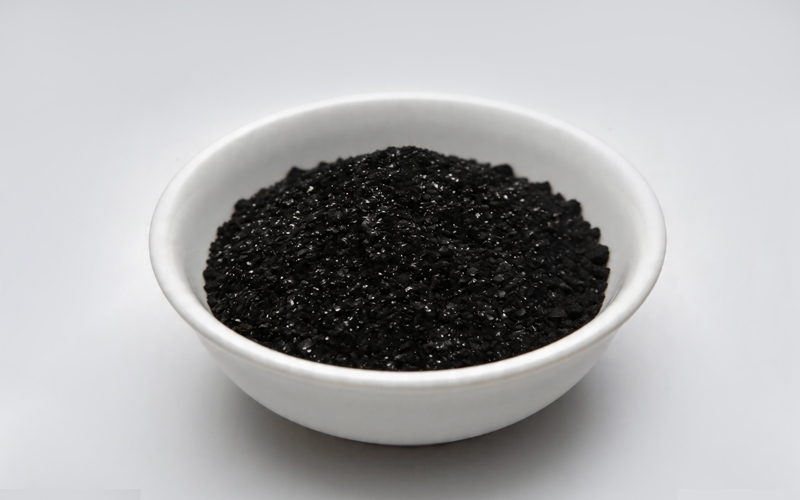
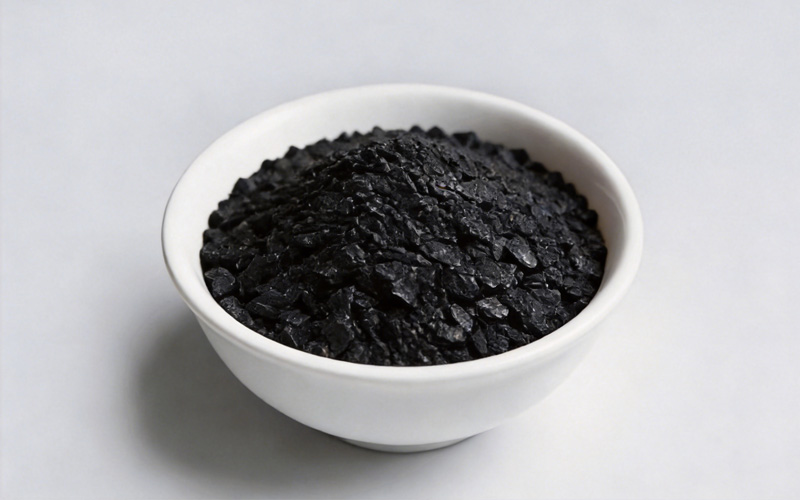
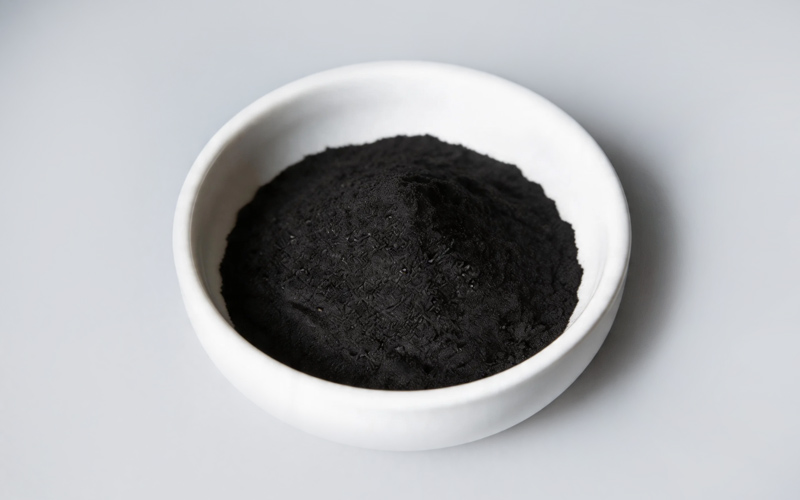
The product page discusses several physical forms and broad application claims. A buyer should request the form actually offered, a current specification and the method behind the reported humic fraction. A bowl photograph can show appearance but cannot establish identity, solubility or application suitability. Keep the source lot attached to samples and any repacked material. The evidence for sodium humate structure should refer to the exact grade being considered.
This guide focuses on selection and handling rather than pond-treatment instructions. Claims about water remediation or animal outcomes need product-specific evidence and appropriate local review. Do not copy a generic dosage into a living aquatic system or use the material as an emergency substitute for a qualified diagnosis. The purchasing decision should remain within the documented scope of the exact grade. Compare the Potassium Fulvate Series when selecting a related grade.
Resolve the product name before comparing performance
Commercial humic names can describe a source material, a processed fraction, a salt or a finished blend. Ask the supplier to define the offered grade in those terms. A trade name is useful for ordering but insufficient for technical comparison. Keep the physical form separate from the chemical identity, because powders and granules can represent several different compositions.
Use the current technical sheet, intended-use statement and a relevant certificate to establish the comparison. Where website wording conflicts, obtain a written clarification for the exact grade rather than choosing the most favorable number. Ask which test supports each reported fraction. Appearance can help identify a handling mismatch but cannot establish the composition of a complex dark material. The sodium humate structure comparison should use the same conditions for each candidate grade.
Once identity is clear, decide which application evidence is relevant. A result for another humate form, another processing route or another formulation may not transfer. Keep illustrative explanations distinct from batch evidence. The resulting purchasing file should allow a reviewer to answer a basic question: what exactly is being supplied, and which documented properties make it suitable for this use? Background reading: IHSS.
Make the decision from comparable evidence
When evaluating sodium humate structure, use a grade specification and suitable analytical tests to describe the material instead of selecting one molecular drawing as proof of identity.
Build the inquiry around a defined use and an exact grade. Include the physical form, receiving equipment, storage period, destination and the documents needed for acceptance. Give the supplier enough context to identify a mismatch early. A precise inquiry also makes quotations more comparable and reduces the chance that a substitute is offered under the same broad product name. Keep the sodium humate structure decision tied to the actual operation described in the inquiry.
Keep the records that answer this question
A useful sodium humate structure record is specific: ask for source information, humic-fraction method, sodium information where relevant and physical properties. Keep illustrative chemistry separate from batch test results.
The receiving record should remain useful after the bags have been consumed. Keep the order reference, specification revision, lot code, certificate and inspection outcome together. Add a short note about any agreed exception. A future colleague should be able to understand why the shipment was released and which condition must be checked on the next delivery without reconstructing the entire email history. For sodium humate structure, document the unresolved point before requesting another test.

Compare the three checks that matter
| Decision point | Evidence to compare | Practical implication |
|---|---|---|
| Name | Source fraction salt or blend | Resolve ambiguous terminology |
| Evidence | Current grade-specific documents | Do not combine unlike products |
| Use | Intended application confirmed | Select relevant performance evidence |
Put the evaluation into a working procedure
Approve a representative sample and a written specification together. Keep the sample code, analytical basis, packaging and test method in the order record. Define how the commercial lot will be checked and how a discrepancy will be resolved. The receiving team should have this information before delivery, not after a problem is discovered during application or production.
After the first order, review what actually happened in storage and use. Record preparation time, material loss, complaints and any variation from the approved sample. Use those observations to refine the reorder specification or support request. A repeat order should preserve the useful lessons of the first delivery while checking any change in grade, packaging or customer application.
Use supplier discussions to close specific gaps. Request a method when a percentage is ambiguous, a representative sample when form is uncertain, or an updated package proof when the label changes. Avoid asking for a large generic document bundle without identifying the decision each item supports. Focused requests usually produce a clearer technical comparison and a more manageable purchasing file. Use the sodium humate structure result to decide the next practical step rather than to support an unrelated claim.
Know the limits before expanding the program
The limit for sodium humate structure is important. Do not infer performance from a decorative molecular diagram. The supplied grade needs application-specific evidence and a clear intended use.
For sodium humate structure, the next useful step is to resolve the specific information gap identified above. Keep the current specification, operating conditions and comparison results together. An approval should state what was checked and the use it covers, so a later change in water, equipment, formulation or crop context can be reviewed against the same basis.
Discuss the specification with Chunlei
Chunlei offers manufacturing, technical support, OEM customization and export logistics services. Send an inquiry for sodium humate structure with the intended use, target market, required form, order quantity and the records relevant to this guide. Ask for the current grade specification, a representative sample and an explanation of any result or claim that is not yet clear. Review Chunlei services or contact the team.
Frequently asked questions
What should I check first when evaluating sodium humate structure?
For sodium humate structure, use a grade specification and suitable analytical tests to describe the material instead of selecting one molecular drawing as proof of identity.
Which records make this comparison useful?
For sodium humate structure, ask for source information, humic-fraction method, sodium information where relevant and physical properties. Keep illustrative chemistry separate from batch test results.
Can a photograph establish the quality of sodium humate structure?
No. A photograph can illustrate appearance and handling context, but composition and acceptance require a representative sample, appropriate methods and documents linked to the actual lot. Use photographs as part of the record rather than as a replacement for it.
Does one successful test justify a wider claim?
For sodium humate structure, do not infer performance from a decorative molecular diagram. The supplied grade needs application-specific evidence and a clear intended use.
What information should I send with an inquiry?
Identify the exact Sodium Humate grade, intended use, destination and required quantity. Include the specific question about sodium humate structure, the conditions already tested and any acceptance requirements. This helps the technical and export teams respond with relevant specifications and sample options.