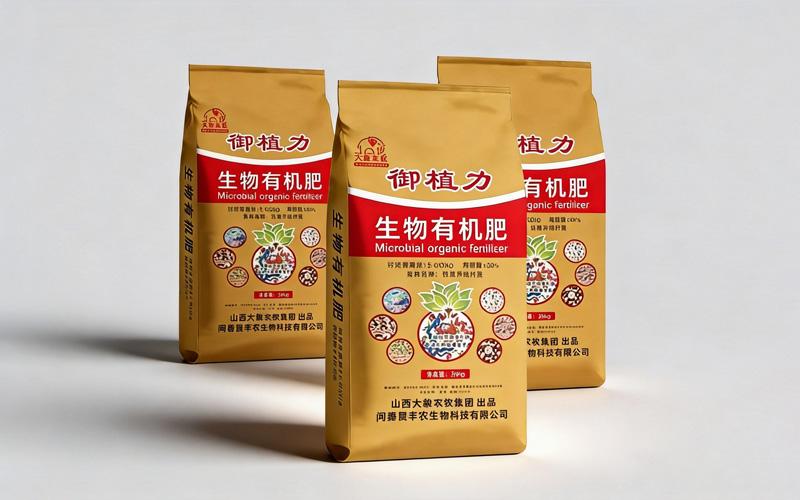
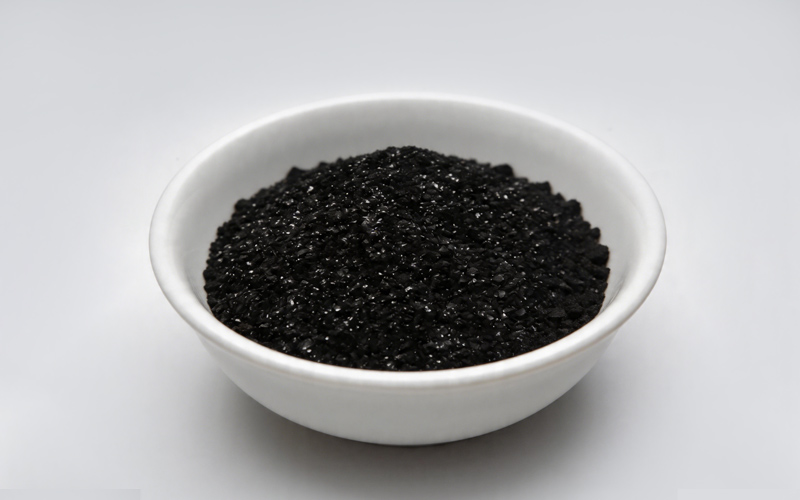
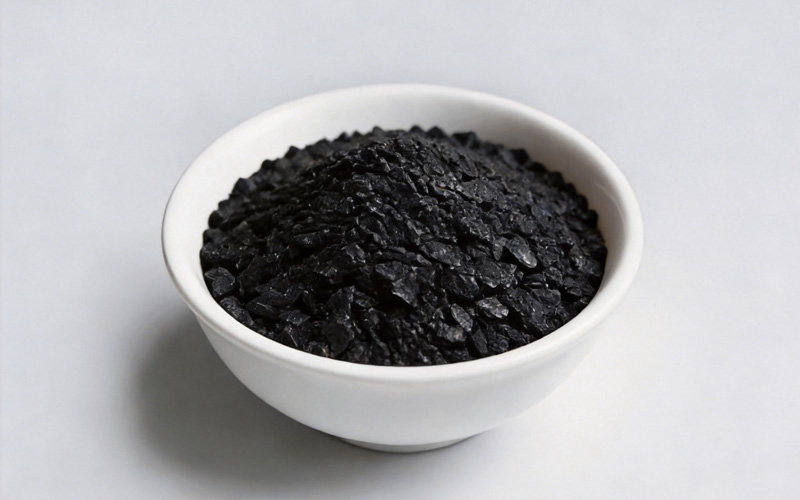


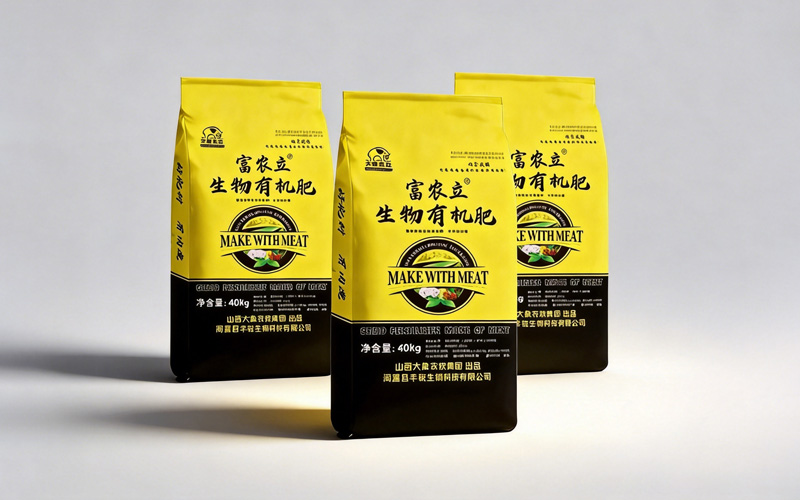
Organic fertilizer and bio organic fertilizer are often placed in the same category because both contain organic materials and are commonly used to improve soil fertility. In practice, however, they are not necessarily the same product.
The most important difference is biological activity.
A conventional organic fertilizer mainly contributes organic matter and nutrients derived from organic materials. A bio organic fertilizer combines an organic nutrient carrier with selected beneficial microorganisms designed to remain viable in the finished product and perform specific functions after application.
That distinction changes how the fertilizer should be manufactured, stored, transported, tested, applied, and purchased.
For growers, the question is not simply, “Which fertilizer is better?” A more useful question is:
Does the field mainly need additional organic matter, or does the fertilization program also require a targeted microbial function?
For distributors and bulk buyers, another question matters just as much:
Can the supplier prove that the microorganisms declared on the label remain viable when the product reaches the customer?
This guide explains how to compare the two categories from agronomic, technical, storage, application, and purchasing perspectives.
목차
What Is Organic Fertilizer?

Organic fertilizer is generally produced from materials of plant, animal, or other organic origin that have been processed into a form suitable for agricultural use.
Examples may include composted plant residues, manure-derived materials, protein-rich organic matter, and other stabilized organic inputs.
The USDA National Agricultural Library classifies organic fertilizers as fertilizers derived from animal or plant materials that provide nutrients required for plant growth. It separately distinguishes beneficial microorganisms used to increase nutrient availability as biofertilizers. This distinction helps explain why microbial functionality should not automatically be assumed simply because a product is labeled “organic.” (USDA agricultural terminology)
What Does Organic Fertilizer Mainly Do?
The exact effect depends on the raw material and formulation, but common functions include:
- Adding organic matter to the soil
- Supplying nitrogen, phosphorus, potassium, and secondary nutrients
- Supporting soil aggregation
- Improving water-holding characteristics
- Increasing the carbon available to soil organisms
- Supporting gradual nutrient release
- Improving long-term soil fertility when used appropriately
Organic fertilizer can therefore be especially useful where soil organic matter has declined after years of intensive cultivation.
However, the presence of organic matter does not guarantee that a product contains a meaningful population of specific beneficial microorganisms.
That is where bio organic fertilizer differs.
What Is Bio Organic Fertilizer?
Bio organic fertilizer combines an organic nutrient or organic matter base with viable beneficial microorganisms.
These microorganisms are selected for specific biological functions. Depending on the formulation, they may support nutrient transformation, root-zone activity, organic matter decomposition, rhizosphere balance, or plant–microbe interactions.
A bio organic fertilizer may contain microorganisms such as selected Bacillus species together with organic matter, NPK nutrients, amino acids, proteins, calcium, magnesium, humic substances, or other agricultural ingredients.
For example, a high-organic-matter bio organic fertilizer can combine organic nutrition with a declared viable microbial count, while another microbial organic fertilizer formulation may use a different microorganism and nutrient profile for a different agricultural positioning.
The formulation matters because the microorganism should not be considered separately from its carrier.
The organic matrix provides an environment that can influence microbial survival and also supplies carbon and nutrients after soil application.
Recent research has continued to examine this interaction. A 2025 study published in Frontiers in Microbiology found that bio-organic fertilization altered rhizosphere bacterial communities and soil nutrient conditions in reclaimed agricultural soil, illustrating why the microbial component can create effects beyond simply adding organic matter. (Frontiers research)
Bio Organic Fertilizer vs Organic Fertilizer: The Main Differences
| Comparison | 바이오 유기 비료 | 유기 비료 |
|---|---|---|
| 유기물 | Usually included | Main component in many products |
| Beneficial microorganisms | Intentionally added and declared | Not necessarily present at a controlled viable level |
| CFU specification | Important quality parameter | Usually not a core purchasing specification |
| Main function | Organic nutrition plus targeted biological activity | Organic matter addition and nutrient supply |
| Storage sensitivity | Higher because microorganisms must remain viable | Usually more tolerant depending on formulation |
| Heat sensitivity | Can be significant | Generally less dependent on microbial survival |
| Quality control | Nutrient analysis plus microbiological testing | Mainly physical and chemical analysis |
| Application strategy | Should consider microbial survival conditions | Primarily based on nutrient and organic matter needs |
| Shelf-life concerns | Viable count may decline over time | Mainly moisture, caking, nutrient stability, and contamination |
| Buyer verification | CFU, strain, organic matter, nutrients, moisture, stability | Organic matter, nutrients, moisture, raw material, maturity |
The biggest mistake is evaluating both products using exactly the same purchasing checklist.
A conventional organic fertilizer may be judged mainly by organic matter, total nutrients, maturity, moisture, heavy metals, particle size, and consistency.
A bio organic fertilizer requires those checks plus microbiological verification.
Why Beneficial Microorganisms Change the Product
The microorganisms are what turn bio organic fertilizer into a biologically active formulation rather than simply an organic nutrient source.
Nutrient Transformation
Some beneficial microorganisms can interact with phosphorus, potassium, nitrogen, and organic nutrients in the rhizosphere.
They do not create unlimited nutrients from nothing. Instead, their metabolic activity may influence nutrient transformations and the availability of nutrients already present in fertilizer or soil.
This is why microbial fertilizer should complement sound nutrient management rather than replace soil testing.
Root-Zone Colonization
Selected microorganisms may establish around the rhizosphere, where root exudates provide carbon sources.
Successful colonization depends on:
- Soil temperature
- Moisture
- pH
- 염분
- Existing microbial communities
- Pesticide use
- Organic carbon availability
- Crop species
- Microbial strain
- Application timing
A strong laboratory CFU result does not guarantee identical field performance under every condition.
Soil Microbial Community Effects
Long-term interest in bio organic fertilizer is increasingly connected with rhizosphere management.
Recent research comparing fertilization approaches has shown that bio-organic treatments can influence microbial community structure, soil organic matter, nutrient availability, and crop performance under particular experimental conditions. (Frontiers study)
Another study examining reduced chemical fertilizer combined with bio-organic fertilizer reported changes in soil properties and microbial communities in lettuce production. (Research on lettuce production)
These studies support an important purchasing principle:
Microbial fertilizer performance should be evaluated as part of an entire soil–crop system rather than from microorganism count alone.
Is a Higher CFU Count Always Better?
No.
CFU, or colony-forming units, indicates the number of viable microorganisms that can form colonies under specified testing conditions.
A higher declared count can be useful, but it should not automatically be treated as proof that one bio organic fertilizer is better than another.
Consider two hypothetical products:
| 제품 | Declared CFU | Microbial Stability | Storage Control | Field Compatibility |
| Product A | Very high | Poor | Poor | Unknown |
| Product B | Moderate to high | Stable | Well controlled | Tested |
Product A may look stronger on a specification sheet, but Product B may deliver a more predictable viable population at the time of application.
Ask Which Microorganism Is Present
A label that only says “beneficial bacteria” provides limited technical information.
Buyers should ask for:
- Genus
- Species
- Strain information where available
- Functional positioning
- Minimum viable count
- Testing method
- Production date
- Shelf life
Ask Whether the CFU Is Guaranteed at Production or Expiration
This is a critical question.
Microbial populations may decline during storage. A count measured immediately after production is not automatically the count that remains after several months in a warm warehouse.
Buyers should therefore clarify whether the declared value represents:
- Initial production count
- Minimum guaranteed count
- Count at the end of shelf life
The answer materially changes how useful the specification is.
How Storage Changes Bio Organic Fertilizer Quality
Storage is one of the most overlooked differences between conventional organic fertilizer and bio organic fertilizer.
Organic nutrients may remain relatively stable while the microbial component gradually loses viability.
Temperature
Excessive heat can reduce microbial survival.
A warehouse that becomes very hot in summer may shorten effective microbial shelf life even when the packaging appears normal.
For international shipments, buyers should consider:
- Factory storage temperature
- Container conditions
- Port storage
- Transit time
- Destination warehouse temperature
- Seasonal climate
Moisture
Excess moisture can cause:
- Caking
- Premature microbial activity
- Reduced storage stability
- Contamination risks
- Physical deterioration
The package should protect the fertilizer from humid air and liquid water.
Direct Sunlight
Products containing viable microorganisms are generally better stored away from direct sunlight and excessive heat.
Storage Time
“Two-year shelf life” means little unless microbial viability has been evaluated throughout that period.
For a bulk order, ask whether the manufacturer has shelf-life stability data under defined storage conditions.
Bio Organic Fertilizer vs Organic Fertilizer for Different Soil Problems
The choice becomes easier when it starts with a soil problem rather than a product name.
Low Organic Matter
Where the primary problem is very low soil organic carbon, a well-stabilized organic fertilizer can provide a substantial organic matter input.
Bio organic fertilizer can also contribute organic matter, but the required application rate and cost-efficiency should be evaluated.
The key question is:
How much stable organic material is actually being delivered per hectare?
연속 자르기
Intensive continuous cultivation can be associated with nutrient imbalance, declining soil structure, salinity, acidification, and changes in soil microbial communities.
In these systems, bio organic fertilizer may be considered when both organic matter restoration and microbial management are priorities.
For a deeper discussion of microbial restoration in intensively cultivated soils, see this guide to microbial organic fertilizer and productive soil.
Compacted Soil
Organic matter management is important for long-term soil aggregation.
Both conventional organic fertilizer and bio organic fertilizer can contribute organic material, but neither should be treated as an instant cure for severe compaction.
Mechanical compaction, drainage, traffic patterns, tillage, irrigation, and root penetration should also be considered.
Saline Soil
A bio organic fertilizer may support the biological and organic matter components of a salinity-management program, but it does not remove salts from the root zone by itself.
Effective salinity management may also require:
- Drainage
- Leaching
- Irrigation-water management
- Calcium amendments where appropriate
- Soil testing
- Salt-tolerant crop strategies
Soil-Borne Disease Pressure
Some microbial formulations are promoted for rhizosphere competition and biological suppression.
However, growers should avoid assuming that every bio organic fertilizer controls every soil-borne pathogen.
The microorganism strain, pathogen, soil environment, crop, inoculation level, and management program all matter.
A fertilizer should not be presented as a guaranteed substitute for an integrated crop-protection program unless the claim is supported by appropriate registration and evidence.
Which One Is Better for Greenhouse Production?

Greenhouse systems often create conditions where bio organic fertilizer can be particularly relevant because the same soil may be intensively cropped for many seasons.
Potential problems include:
- Salt accumulation
- Nutrient imbalance
- Reduced soil porosity
- Root-zone stress
- Declining organic matter
- Repeated pathogen pressure
In this situation, growers may use organic fertilizer primarily to rebuild organic matter.
Bio organic fertilizer can add another layer by introducing selected beneficial microorganisms.
However, greenhouse conditions can also be challenging for microorganisms because high temperatures, salinity, intensive fertilizer use, fumigation, and pesticides may reduce their survival.
The correct strategy is therefore not “apply more microbes.”
It is to create a soil environment where the introduced microorganisms have a reasonable chance of surviving.
Can Bio Organic Fertilizer Replace Chemical Fertilizer?
It depends on the nutrient requirement and product analysis, but in many commercial production systems a complete replacement should not be assumed.
Bio organic fertilizer may contain NPK nutrients, but the concentration may be lower than highly concentrated mineral fertilizers.
A more practical approach is often integrated fertilization.
Research has investigated combinations of reduced mineral fertilizer and bio-organic inputs rather than treating the two categories as mutually exclusive. In lettuce production, for example, researchers evaluated reduced chemical fertilizer rates combined with bio-organic fertilizer and observed changes in soil properties and microbial communities. (Frontiers research)
The right nutrient strategy should be based on:
- Soil testing
- Crop nutrient demand
- Expected yield
- Fertilizer nutrient analysis
- Nutrient-release characteristics
- Irrigation
- Climate
- Local agronomic recommendations
The biological component should support the nutrient program rather than make nutrient calculations unnecessary.
How to Compare Bio Organic Fertilizer Specifications
A serious buyer should not choose bio organic fertilizer from the product name alone.
Viable Microbial Count
Confirm the minimum CFU per gram.
Also ask:
- Which microorganism?
- What testing method?
- When was it tested?
- Is the value guaranteed through shelf life?
유기물
Organic matter helps distinguish a microbial inoculant from a true organic-matter-rich bio organic fertilizer.
Higher organic matter may be useful, but the source and maturity also matter.
Total Nutrients
Check declared:
- Nitrogen
- Phosphorus
- Potassium
- Secondary nutrients
- Micronutrients where applicable
Do not compare only NPK percentage while ignoring organic matter and microbial activity.
Moisture
Moisture influences:
- 저장
- Caking
- Transport
- Microbial stability
- Product weight
- Granule strength
pH
The fertilizer pH can affect compatibility and microbial survival.
A suitable pH range depends on the formulation and microorganism.
Raw Material Quality
Ask what materials are used as the organic carrier.
Important questions include:
- Is the organic material fully fermented?
- Is it mature?
- Are raw materials traceable?
- Is there an odor-control process?
- Are pathogens tested?
- Are heavy metals controlled?
Physical Form
Bio organic fertilizer may be supplied as powder or granules.
Granules often improve handling, mechanical spreading, packaging, and transportation.
Powder may offer different processing and soil-incorporation characteristics.
Neither form is universally superior.
A B2B Buyer’s Quality-Control Checklist
Before placing a bulk order, request more than a sales brochure.
Technical Documentation
Ask for:
- Product specification
- Certificate of analysis
- Microbial test report
- Heavy-metal report
- Moisture analysis
- Nutrient analysis
- Organic matter test
- Storage recommendations
- Shelf-life statement
Sample Testing
A sample allows buyers to examine:
- Granule appearance
- Dust
- Odor
- Moisture
- Caking
- Dissolution or disintegration
- Packaging quality
For microbial products, independent CFU testing can provide additional verification.
Batch Consistency
One excellent sample is not enough.
Ask how the factory controls:
- Fermentation
- Raw material variation
- Microbial inoculation
- Drying temperature
- Granulation
- Cooling
- Packaging
- Final microbial count
Drying Temperature
This point deserves special attention.
High processing temperatures can damage viable microorganisms.
A manufacturer producing granular bio organic fertilizer should have a process that prevents excessive thermal exposure after microbial inoculation or uses a production sequence designed to protect viability.
Packaging
Packaging should protect the product against:
- Moisture
- Excessive air exchange
- Contamination
- Direct light
- Physical damage
For international distribution, packaging strength is especially important because bags may pass through multiple warehouses and handling operations.
Buyers evaluating different formulations can review the bio-organic fertilizer product range and then compare specifications according to crop and market requirements.
Common Buying Mistakes
Choosing Only by CFU
Microbial count is important, but microorganism identity and stability matter equally.
Ignoring Shelf Life
A very high CFU at production may be less useful if microbial populations decline sharply before application.
Comparing Only NPK
Bio organic fertilizer is not simply a low-analysis NPK fertilizer.
Its value may also come from organic matter and microbial functionality.
Assuming Every Bacillus Product Works the Same
Different species and strains can perform differently.
The carrier, formulation, soil condition, and crop also influence performance.
Buying Without Trialing the Product
A small field trial can reveal:
- Crop response
- Root development
- Soil changes
- Application convenience
- Granule behavior
- Compatibility with existing fertilization programs
Storing It Like a Mineral Fertilizer
Microbial formulations require greater attention to temperature and humidity than many conventional mineral fertilizers.
How to Run a Useful Field Trial

A simple trial should produce information that helps future purchasing decisions.
Establish a Control
Compare:
- Current fertilization practice
- Current practice plus bio organic fertilizer
Or compare:
- Conventional organic fertilizer
- Bio organic fertilizer
Do not change too many inputs at once.
Measure Before Application
Record:
- 토양 pH
- Electrical conductivity
- 유기물
- Available nutrients
- Crop history
Observe Root Development
Above-ground plant height is not enough.
Root density, root color, lateral roots, and root-zone condition can provide useful additional information.
Measure Yield and Quality
Depending on the crop, record:
- Total yield
- Marketable yield
- Fruit size
- Uniformity
- Sugar content
- Storage quality
- Disease incidence
Repeat Across Multiple Fields
A single plot cannot represent every soil condition.
Multi-location testing provides more useful commercial evidence.
자주 묻는 질문
What is the main difference between bio organic fertilizer and organic fertilizer?
Organic fertilizer mainly provides organic matter and nutrients. Bio organic fertilizer combines organic material with intentionally added viable beneficial microorganisms.
Is bio organic fertilizer better than regular organic fertilizer?
Not automatically.
It may provide additional microbial functions, but the better option depends on soil condition, crop requirements, microbial quality, storage, application method, and fertilization goals.
What does CFU mean on fertilizer labels?
CFU means colony-forming units. It is used to estimate the number of viable microorganisms capable of forming colonies under specified test conditions.
Does a higher CFU mean better fertilizer?
Not necessarily.
Microbial strain, survival during storage, application conditions, organic carrier, and field compatibility are also important.
Can bio organic fertilizer replace NPK?
It may supply some NPK, but complete replacement depends on nutrient analysis, application rate, soil fertility, and crop demand.
A nutrient budget should always be calculated.
How should bio organic fertilizer be stored?
Keep it in a cool, dry location protected from moisture, high temperature, and direct sunlight. Always follow the storage limits stated by the manufacturer.
Can bio organic fertilizer be used with chemical fertilizer?
They can often be used in an integrated program.
However, application timing and compatibility should be evaluated because highly concentrated salts, extreme pH, or some agricultural chemicals may affect microbial survival.
How can importers check product quality?
Request recent COA and microbial reports, check CFU and organic matter, verify microorganism identity, inspect storage instructions, test samples, and confirm batch traceability.
Is bio organic fertilizer suitable for every crop?
Many formulations can be used across multiple crops, but dosage and expected performance should be adjusted according to crop type, soil condition, climate, and production system.
결론
The difference between organic fertilizer and bio organic fertilizer is much more important than the similarity of their names.
Organic fertilizer mainly contributes organic matter and nutrients. Bio organic fertilizer adds a carefully selected biological component, which means quality depends not only on nutrient content but also on whether beneficial microorganisms remain alive and functional throughout manufacturing, transportation, storage, and field application.
For growers, the choice should begin with the soil problem.
If the primary objective is rebuilding organic matter, a suitable conventional organic fertilizer may be sufficient. If the program also aims to introduce specific beneficial microorganisms into the rhizosphere, bio organic fertilizer may provide additional functionality.
For distributors and bulk buyers, the purchasing process should go beyond CFU numbers printed on a label.
Evaluate microorganism identity, organic matter, nutrient analysis, moisture, processing temperature, shelf-life stability, batch consistency, packaging, and storage requirements.
The strongest fertilizer program is rarely based on one product claim. It combines soil testing, crop nutrition, organic matter management, microbial management, and field validation.
For crop-specific specifications, microbial formulations, samples, or bulk purchasing requirements, buyers can contact the fertilizer technical team to discuss soil conditions, crops, application methods, packaging, and required product specifications.