


Table of Contents
This sandy-soil management guide keeps organic fertilizer for sandy soil tied to the way bio-organic fertilizer is actually handled. Confirm the soil is coarse through the root depth is the first control; build retention with repeated organic inputs establishes the next. The discussion remains inside this use case so readers can turn it into a field or purchasing action.
A sandy surface may cover a finer subsoil, compacted layer, or shallow water table. At the same time, one fertilizer application is not a permanent correction. Taken together, those details set the baseline for organic fertilizer for sandy soil. No general article can replace the registered label, destination rules, or site-specific professional judgment.
Confirm the soil is coarse through the root depth
A sandy surface may cover a finer subsoil, compacted layer, or shallow water table. Texture, depth, and rooting determine water and nutrient movement. Before the team advances organic fertilizer for sandy soil, convert this point into a check that can be performed under normal farm, plant, warehouse, or loading conditions.
Use soil observations or testing from more than one depth. Write down both the acceptable condition and the stop condition. Clear limits reduce preventable damage and shorten any later investigation.
Compare bio-organic fertilizer products with the requirement to confirm the soil is coarse through the root depth. The product page supplies form and declared information; the organic fertilizer for sandy soil decision still depends on the field or purchasing evidence described here.
Build retention with repeated organic inputs
Stable gains in soil organic matter usually come from a system of residues, cover crops, roots, composted materials, and reduced disturbance. One fertilizer application is not a permanent correction. In day-to-day work, that makes this a scheduling and responsibility question inside the organic fertilizer for sandy soil program.
Plan annual carbon inputs alongside crop production. Ask the people doing the work what they observed; handling details and field variation often explain differences that a laboratory sheet cannot show.
The FAO integrated plant nutrition guidance gives broader nutrient-management context for build retention with repeated organic inputs. Use that systems view when placing organic fertilizer for sandy soil beside water, crop, soil, and environmental responsibilities.

Split nutrients to reduce leaching risk
Coarse soils hold less water and may lose mobile nutrients below the root zone. Smaller, better-timed applications can match crop uptake more closely. These points deserve a separate step because changing them together with several other inputs would make organic fertilizer for sandy soil hard to interpret.
Use soil and crop guidance to set rate and interval. Preserve a simple baseline for the next review. The decision should be carried forward from written evidence rather than memory.
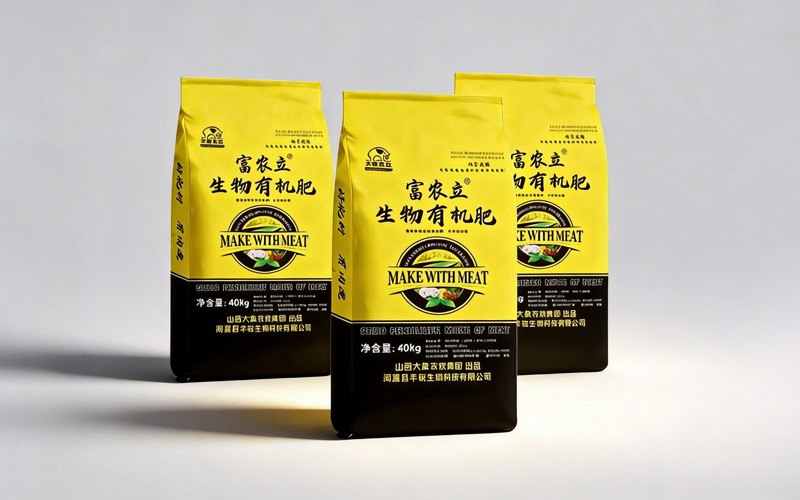
Review Funongli Bio-Organic Fertilizer while checking split nutrients to reduce leaching risk. It provides an adjacent product view, but a different physical form or delivery route may require a different quality test.
Place fertilizer within the wetted root zone
Nutrients outside the irrigation pattern may remain unavailable while concentrated bands can injure roots. Drip, sprinkler, and rainfall systems create different movement. Together, these points define a boundary that the organic fertilizer for sandy soil plan should not cross without new evidence.
Inspect wetting depth and width after irrigation. Name the person who will make that check and keep the observation with the field, batch, or shipment record. This makes the process easier to revisit after the immediate work is finished.
The USDA NRCS soil health resources supports a connected view of soil function. It is especially relevant to organic fertilizer for sandy soil where drip, sprinkler, and rainfall systems create different movement.
Keep living cover over vulnerable ground
Bare sandy soil is exposed to wind erosion, surface heating, and rapid moisture loss. Cover crops and mulch protect the surface while feeding soil biology. The two conditions belong in the same organic fertilizer for sandy soil review because a change in either one can alter the meaning of the result.
Select cover practices that do not compete excessively for limited water. Decide in advance what would justify continuing, adjusting, or stopping. That decision rule keeps the process useful when the outcome is less clear than expected.
The US EPA nutrient management overview adds public-interest context to keep living cover over vulnerable ground. It reinforces the need to keep organic fertilizer for sandy soil within nutrient, label, and environmental limits.
Choose a physical form that stays in place
Fine powder may drift or move before incorporation, while pellets and granules have different breakdown behavior. The most useful form fits the spreader, wind conditions, and irrigation schedule. For this part of organic fertilizer for sandy soil, treat both as facts to verify rather than assumptions inherited from another crop, water source, machine, or supplier.
Calibrate and observe loss during application. Note the relevant date, location, lot, and operating condition. A later comparison is credible only when it can be traced to the circumstances in which it was made.
Use the site’s bio-organic fertilizer comparison as supporting background for choose a physical form that stays in place. The present page remains focused on the narrower question in its H1.
Track water and nutrient efficiency together
Crop color alone cannot show whether nutrients moved below roots. Use irrigation records, soil moisture, tissue or soil tests, rooting, and yield-quality observations. The consequence for organic fertilizer for sandy soil is straightforward: this is a distinct control point and should not be hidden inside a general application or purchase instruction.
Adjust the system gradually and compare representative zones. If it cannot be completed, reduce the scope of the trial or hold the decision until the missing condition is resolved.
The Utah State University Extension nutrient management guide offers additional extension context for track water and nutrient efficiency together. Combine it with local crop recommendations and the written organic fertilizer for sandy soil record.

Place fertilizer within the wetted root zone: Questions and Records
Use these organic fertilizer for sandy soil controls during the pre-work meeting rather than reconstructing them after a problem. For this title, the relevant operating point is place fertilizer within the wetted root zone.
| Decision point | Working question | Required record |
|---|---|---|
| Confirm the soil is coarse through the root depth | A sandy surface may cover a finer subsoil, compacted layer, or shallow water table? | Record the baseline before approval |
| Build retention with repeated organic inputs | Stable gains in soil organic matter usually come from a system of residues, cover crops, roots, composted materials, and reduced disturbance? | Confirm the operating condition |
| Split nutrients to reduce leaching risk | Coarse soils hold less water and may lose mobile nutrients below the root zone? | Assign a measurable field or quality check |
| Place fertilizer within the wetted root zone | Nutrients outside the irrigation pattern may remain unavailable while concentrated bands can injure roots? | Set a stop rule and review point |
A completed table does not guarantee performance; it shows why the next organic fertilizer for sandy soil step is reasonable. The article-specific review returns to split nutrients to reduce leaching risk.
Questions Raised by Build retention with repeated organic inputs
Which evidence supports “Confirm the soil is coarse through the root depth”?
A sandy surface may cover a finer subsoil, compacted layer, or shallow water table. That evidence forms the starting point for organic fertilizer for sandy soil; the applicable label and local requirements still control final use.
How should “Build retention with repeated organic inputs” be checked?
For organic fertilizer for sandy soil, one fertilizer application is not a permanent correction. Treat the check as a separate decision so unrelated changes do not hide its effect.
What can a specification confirm about organic fertilizer for sandy soil?
A organic fertilizer for sandy soil specification can describe the material, but it cannot replace the field or operating fact that smaller, better-timed applications can match crop uptake more closely.
Which sign should stop this program?
Pause organic fertilizer for sandy soil when the stated condition cannot be verified, safety is uncertain, or the team cannot select cover practices that do not compete excessively for limited water.
What should be retained after “Track water and nutrient efficiency together”?
Organic Fertilizer For Sandy Soil records should keep the product and lot, date, location, baseline, operating conditions, observations, and the decision made after staff adjust the system gradually and compare representative zones.
Track water and nutrient efficiency together Before the Next Step
Crop color alone cannot show whether nutrients moved below roots. That final control connects the earlier requirements to an evidence-based organic fertilizer for sandy soil decision. Use the seven section records together; one favorable observation should not erase a failed safety, compatibility, field, or quality condition.
To discuss confirm the soil is coarse through the root depth, place fertilizer within the wetted root zone, or the specification for bio-organic fertilizer, contact the technical team. Bring the intended use and the records named above so the next organic fertilizer for sandy soil step begins with the facts that matter to this H1.