
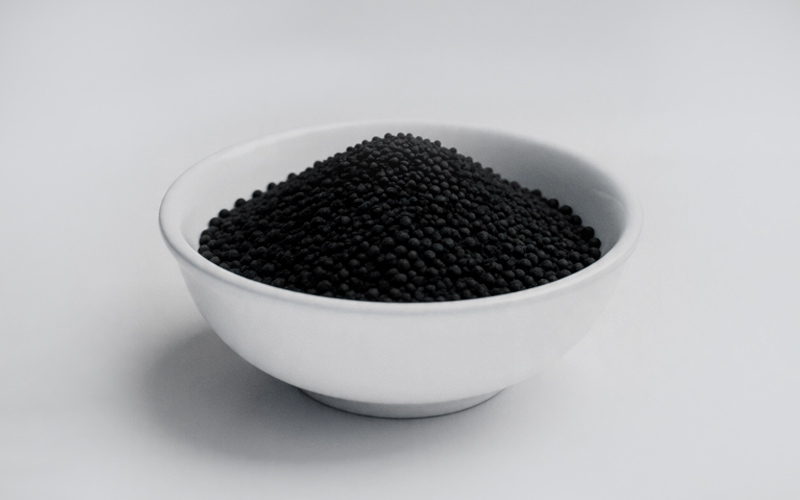

Modern agriculture is no longer focused only on applying more fertilizer. Growers, fertilizer producers, and agricultural distributors are paying more attention to how efficiently crops can use nutrients, how stable the soil environment is, and whether soil quality can support consistent yield over multiple planting seasons.
This is where potassium humate granules have become increasingly important. Instead of acting as a simple nutrient source, they work as a soil-conditioning material that helps improve the root-zone environment, support nutrient availability, enhance fertilizer efficiency, and contribute to healthier crop growth.
For growers, the value of potassium humate granules lies in better soil performance. For fertilizer manufacturers and distributors, the value lies in stable handling, easier blending, bulk application, and strong market demand in soil improvement and sustainable agriculture.
Research on humic substances has shown their role in improving soil properties, supporting plant growth, and influencing agronomic performance. Soil health guidance also emphasizes that healthy soils can improve nutrient cycling, reduce compaction, and retain more water for crop use.
Table of Contents
What Are Potassium Humate Granules?
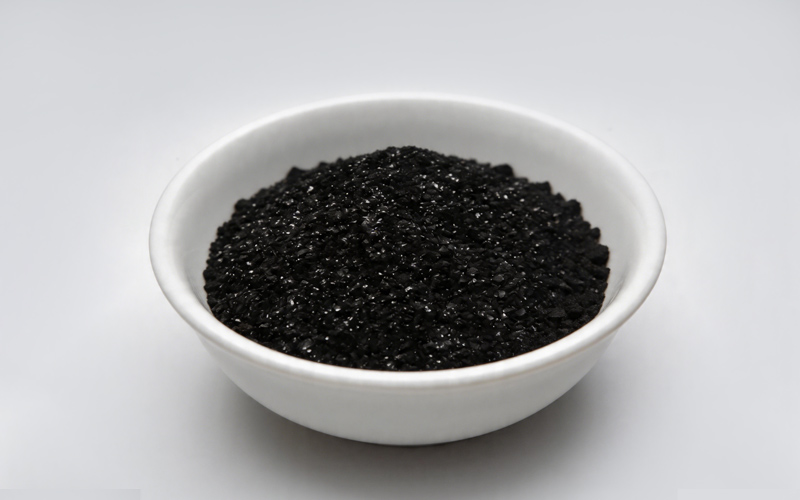
Potassium humate granules are granular soil-conditioning and fertilizer materials derived from humic substances. They are commonly used in agriculture, organic fertilizer production, compound fertilizer blending, soil improvement programs, and crop nutrition management.
Unlike ordinary chemical fertilizer materials that mainly supply nutrients, potassium humate granule is valued for their effect on the soil system. They help create a better environment for roots, nutrients, water, and soil microorganisms to interact.
The granular form is especially useful for agricultural supply chains because it is easier to store, transport, spread, and blend with other granular fertilizers. For fertilizer factories, importers, and agricultural distributors, this form is often more practical than fine powder when handling bulk materials.
Common related terms include:
| Term | Meaning in Agricultural Use |
|---|---|
| Potassium humate granule | Granular humic-based material used for soil and fertilizer applications |
| Granular potassium humate | Another common product name for the same or similar product form |
| Potassium humate fertilizer | A humic-based fertilizer material containing potassium |
| Organic soil conditioner | A material used to improve soil quality and root-zone conditions |
| Humic acid potassium humate | A product term related to humic acid content and potassium humate form |
Why Soil Health Is the Real Topic Behind Potassium Humate Granule
Many buyers search for potassium humate granule benefits, but the real concern behind that search is usually soil performance.
Poor soil structure, low organic matter, nutrient loss, weak root development, and poor water retention can all reduce fertilizer efficiency. In that situation, simply adding more fertilizer may not solve the problem. Crops need a soil environment that allows nutrients to stay available and roots to absorb them effectively.
Soil-health organizations emphasize that healthy soils can reduce compaction, improve nutrient storage and cycling, and absorb and retain more water for crops. FAO soil guidance also highlights the importance of retaining and recycling organic matter and plant nutrients while minimizing losses from leaching, runoff, and erosion.
This is why potassium humate granules are not just a fertilizer input. They are part of a broader soil improvement strategy.
How Potassium Humate Granules Improve Soil Structure
Soil structure is one of the most important factors affecting crop performance. When soil is compacted, roots struggle to expand. When the soil has poor aggregation, water and nutrients may move unevenly. When the soil lacks stable organic matter, fertilizer efficiency may decline.
Potassium humate granules help support soil structure by contributing humic substances to the root-zone environment. Humic substances are associated with improved soil structure, soil fertility, nutrient uptake, and root architecture.
In practical agricultural use, this means potassium humate granules may help support:
better soil aggregation
improved root-zone aeration
reduced soil compaction pressure
better water movement in the soil
more stable nutrient availability
healthier root expansion
For sandy soils, potassium humate granules can be used as part of a program to reduce nutrient leaching and improve water retention. For clay soils, they may help support soil looseness and root-zone breathability. For long-cultivated farmland, they can be used as part of a long-term soil restoration approach.
Potassium Humate Granules and Fertilizer Efficiency
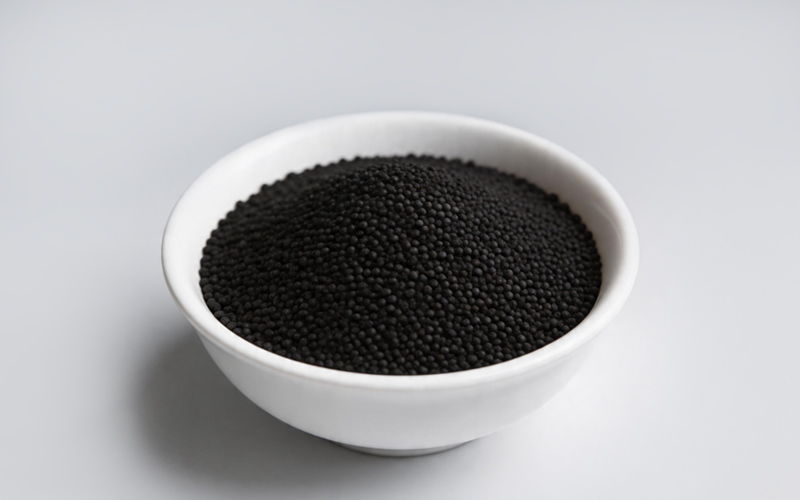
One of the most valuable topics for ranking and conversion is fertilizer efficiency.
Many growers already apply nitrogen, phosphorus, potassium, and micronutrients. The problem is that not all applied nutrients are efficiently absorbed by crops. Some nutrients may be fixed in the soil, leached away, or made less available by poor soil conditions.
Potassium humate granules can help improve the soil environment where nutrient exchange happens. Research on humic substances shows that they influence nutrient uptake and root development, while humic acid-based products have been studied for their role in crop production and soil health.
This makes potassium humate granules useful in several fertilizer-related applications:
| Application | Why It Matters |
|---|---|
| NPK fertilizer blending | Helps create value-added compound fertilizer products |
| Organic fertilizer production | Supports soil improvement positioning |
| Base fertilizer programs | Helps condition soil before or during crop growth |
| Soil amendment formulas | Adds humic-based value to soil restoration products |
| Bulk agricultural distribution | Suitable for large-area farm application |
For fertilizer manufacturers, potassium humate granules can be positioned as a practical ingredient for improving the value of granular fertilizer products. For agricultural distributors, they provide a product that connects directly with grower concerns about fertilizer utilization, soil improvement, and crop quality.
Root Development: The Hidden Driver of Crop Growth
Strong roots are often the difference between average growth and stable crop performance.
A crop with a better root system can explore more soil volume, access more nutrients, absorb water more efficiently, and tolerate environmental stress more effectively. This is why searches such as potassium humate granules for root growth and potassium humate granules for crop yield are valuable blog keywords.
Humic substances have been studied for their effect on root architecture and nutrient uptake at the plant-soil interface. Other research on humic acids also discusses their role in improving plant growth and agronomic parameters.
In a practical farming program, potassium humate granules can support root-zone development by helping create a better soil environment. They are especially useful when crops face:
weak early growth
poor root establishment
low soil fertility
nutrient absorption problems
dry soil conditions
compacted soil layers
This does not mean potassium humate granules replace balanced fertilization. Instead, they help fertilizers work in a healthier root-zone system.
Water Retention and Drought Stress Support
Water management is one of the most important reasons growers look for soil conditioners.
Healthy soils retain water more effectively, reduce runoff risk, and provide crops with better access to moisture during dry periods. Soil-health guidance notes that fully functioning soils absorb and retain more water, making more water available to crops when needed.
Potassium humate granules are often used in soil improvement programs because humic substances are associated with soil structure, water retention, nutrient cycling, and microbial activity.
This makes them relevant for:
dryland farming
sandy soil improvement
soil restoration programs
fruit tree management
greenhouse crop production
field crop fertility programs
areas with unstable rainfall
For agricultural buyers, this is a strong selling point. Growers are not only asking whether a product contains nutrients. They are asking whether it can help improve the soil’s ability to support crops under real field conditions.
How Potassium Humate Granules Support Nutrient Uptake
Nutrient uptake depends on more than nutrient supply. It also depends on root activity, soil pH, soil structure, microbial conditions, moisture, and the availability of nutrients in forms that plants can use.
Humic substances have been linked with plant nutrition, including nutrient uptake and soil fertility improvement. This is one reason potassium humate granules are often used together with other fertilizers rather than as a standalone solution.
When used properly, potassium humate granules may support:
better nutrient availability
improved root-zone activity
reduced nutrient loss risk
more efficient fertilizer use
stronger crop establishment
more balanced soil fertility management
For B2B buyers, this makes the product attractive for fertilizer blending and agricultural distribution. It gives fertilizer products a soil-conditioning value, not only a nutrient-supply value.
Potassium Humate Granules for Different Crop Applications
One reason potassium humate granules are a strong SEO keyword is that the product can be connected with many crop-specific searches. These long-tail topics help a website gain more organic traffic beyond the main product page.
Field Crops
For crops such as corn, wheat, rice, and soybean, potassium humate granules can be used as part of soil fertility and base fertilizer programs. These crops often require efficient nutrient uptake and stable root development across large planting areas.
Vegetables and Greenhouse Crops
Vegetables and greenhouse crops usually have higher requirements for root activity, nutrient balance, and consistent growing conditions. Potassium humate granules can be positioned as a soil-conditioning material for improving the growing environment.
Fruit Trees and Plantation Crops
Fruit trees and plantation crops depend on long-term root-zone health. Potassium humate granules can be used in soil management programs to support nutrient availability and soil structure over time.
How to Use Potassium Humate Granules Correctly
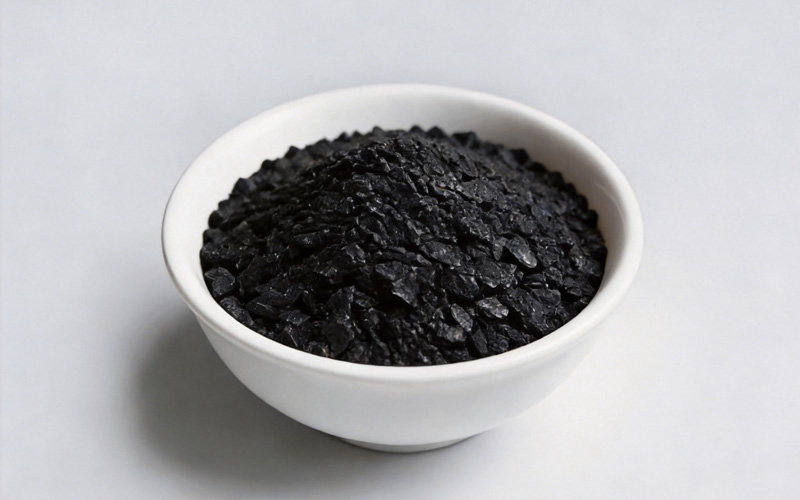
The correct use of potassium humate granules depends on soil condition, crop type, product specification, local farming method, and fertilizer program.
In general, potassium humate granules may be applied during soil preparation, used as a base fertilizer component, blended with compound fertilizer, or added to soil amendment formulas. The exact application method should follow local agronomic recommendations and the product’s technical data.
Common use methods include:
| Method | Suitable Situation |
|---|---|
| Soil broadcasting | Large-area field application |
| Base fertilizer blending | Pre-planting soil preparation |
| Compound fertilizer blending | Fertilizer factory production |
| Organic fertilizer production | Soil improvement product formulas |
| Localized soil application | Fruit trees, vegetables, and greenhouse crops |
It is better not to give one fixed dosage for all crops. A professional article should explain that application rates vary by soil test results, crop demand, local climate, fertilizer formula, and product concentration.
Potassium Humate Granules vs Powder: Which Form Is Better?
Many users search for potassium humate granules vs powder before making a purchase decision. This is a valuable comparison topic because it attracts buyers who already understand the product but are still choosing the right form.
Powder products may be suitable for some soluble formulations or specific processing needs. However, granules are often preferred when buyers need easier handling, lower dust, better flowability, and compatibility with granular fertilizer blending.
| Factor | Granules | Powder |
|---|---|---|
| Handling | Easier for bulk use | May create more dust |
| Storage | Good for bagged and bulk storage | Requires careful moisture control |
| Fertilizer blending | Suitable for granular blends | Better for certain soluble formulas |
| Application | Easier for spreading | May require different equipment |
| Buyer type | Fertilizer plants, distributors, farms | Formulators, soluble fertilizer producers |
For fertilizer manufacturers and agricultural distributors, potassium humate granules are often more practical in large-volume handling. This is why a manufacturer website should clearly explain granule size, moisture control, packaging, and batch consistency.
What Buyers Should Check Before Purchasing Potassium Humate Granules
As a manufacturer, your blog should not only explain benefits. It should help buyers make better purchasing decisions.
For importers, fertilizer brands, and distributors, choosing potassium humate granules is not only about finding a supplier. They need to confirm whether the product fits their market, formulation, packaging, and application requirements.
Important factors include:
humic acid content
potassium content
water solubility
granule size
moisture level
dust control
bulk density
appearance
packaging method
batch consistency
export documentation
sample support
A reliable potassium humate granules manufacturer should be able to provide technical data, stable production, packaging options, and clear communication before bulk orders. Product documents such as TDS, COA, and MSDS are also important for international buyers.
Why Buying from a Manufacturer Matters
For B2B buyers, working directly with a potassium humate granules manufacturer can provide better control over product quality and communication.
A manufacturer can usually support:
stable product specifications
bulk supply capacity
custom packaging
private label requirements
sample testing
technical documents
production schedule control
export packing support
For fertilizer companies, this matters because the product is often used as an ingredient in larger fertilizer systems. If the granule size is unstable, blending may be uneven. If moisture is poorly controlled, storage problems may occur. If batch quality varies, buyers may face inconsistent market feedback.
That is why manufacturer experience, production control, and documentation support are important purchase factors.
Storage and Handling Recommendations
Potassium humate granules should be stored in a dry, ventilated warehouse and protected from moisture. Like many agricultural inputs, proper storage helps maintain product flowability, granule integrity, and usability during transport and application.
General handling suggestions include:
keep bags sealed before use
avoid direct rain exposure
store away from strong moisture sources
use suitable pallets for export shipments
avoid long-term compression under heavy loads
check packaging condition before loading
For export buyers, packaging should be selected according to shipping distance, warehouse conditions, destination climate, and end-user handling methods.
Where Potassium Humate Granules Fit in Modern Agriculture
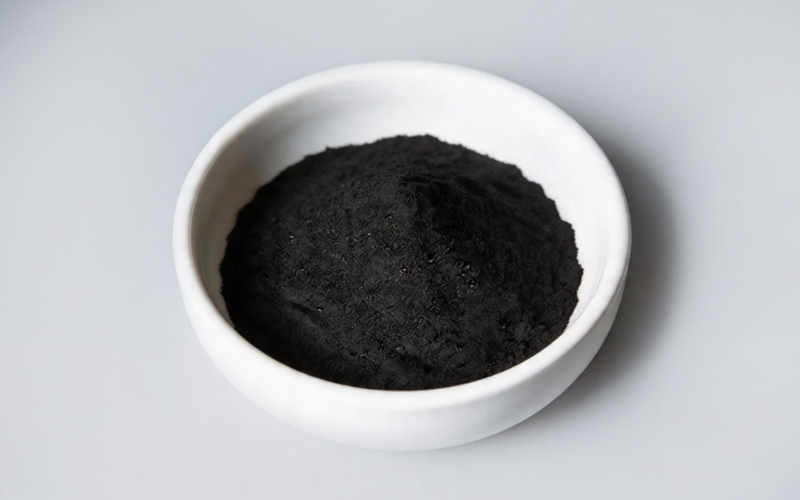
The demand for potassium humate granule is closely connected to several broader agricultural trends:
better fertilizer efficiency
soil health management
organic fertilizer production
sustainable farming systems
water-saving agriculture
crop quality improvement
long-term soil fertility recovery
This makes the product suitable not only for farms, but also for fertilizer manufacturers, agricultural distributors, importers, soil amendment brands, and organic fertilizer producers.
The strongest SEO opportunity is to position potassium humate granules as a practical bridge between fertilizer efficiency and soil health. This makes the content more valuable than a simple product description.
Conclusion
Potassium humate granules are valuable because they address one of the most important challenges in agriculture: how to make soil work better for crops.
They help support soil structure, root development, nutrient uptake, water retention, and fertilizer efficiency. For growers, this means a better root-zone environment and more stable crop growth. For fertilizer manufacturers and agricultural distributors, potassium humate granules offer practical advantages in blending, storage, handling, and bulk supply.
As a potassium humate granules manufacturer, we focus on stable quality, reliable production, flexible packaging, and bulk supply for agricultural and fertilizer industry customers. If you are looking for potassium humate granules for soil conditioning, fertilizer blending, organic fertilizer production, or agricultural distribution, you can contact us for product specifications, sample support, and customized packaging options.
FAQ
What are potassium humate granules used for?
Potassium humate granules are used for soil conditioning, fertilizer blending, root development, nutrient uptake, and improving overall soil fertility in agriculture.
How do potassium humate granules improve soil health?
They help support better soil structure, water retention, nutrient availability, and root-zone activity, creating a healthier growing environment for crops.
Can potassium humate granules be mixed with NPK fertilizer?
Yes. Potassium humate granules can be used with NPK fertilizer or compound fertilizer to support better fertilizer efficiency and soil improvement.
Are potassium humate granules better than powder?
Potassium humate granules are easier to handle, store, transport, and blend with granular fertilizers, while powder may be more suitable for soluble formulations.
Who should buy potassium humate granules in bulk?
Fertilizer manufacturers, agricultural distributors, importers, organic fertilizer producers, and large farming operations often buy potassium humate granules in bulk.