

Table of Contents
Introduction
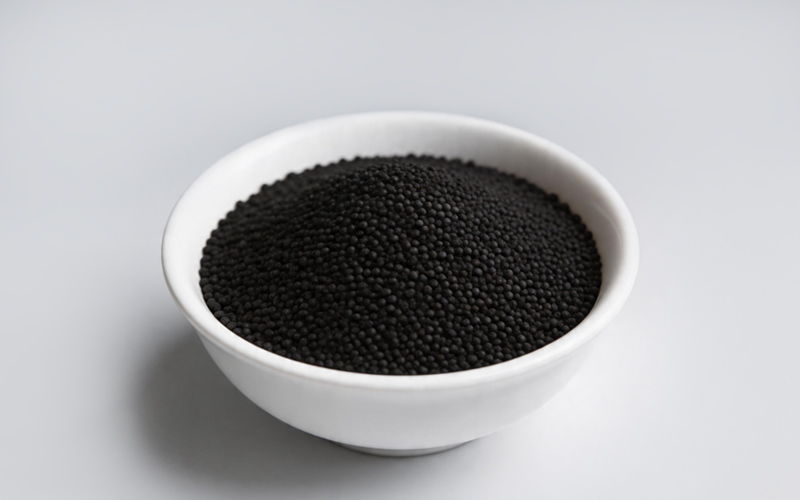
Sodium humate acid has gradually moved from a niche soil amendment into a widely discussed input in modern agriculture. The reason is simple: farmers and agricultural buyers are under increasing pressure to improve soil performance while maintaining long-term sustainability.
In practice, many buyers discover that results vary significantly between suppliers, even when products appear similar on paper. This is where manufacturing process, raw material control, and application knowledge become critical.
This article takes a more practical angle—focused on how sodium humate acid is actually produced, how it behaves in real soil systems, and what experienced buyers usually check before making long-term sourcing decisions.
Understanding Sodium Humate Acid in Real Agricultural Use
Instead of treating sodium humate acid as a chemical concept, it is more useful to look at it as a soil-conditioning system enhancer.
In field applications, it is mainly associated with three visible outcomes:
- Soil becomes easier to manage in terms of structure and water retention
- Nutrient efficiency improves over time rather than instantly
- Root systems tend to develop more uniformly under stress conditions
What makes it different from standard nutrient inputs is that it does not simply “feed” plants. It adjusts how the soil behaves.
That is also why its performance is closely tied to soil type, irrigation method, and long-term usage pattern rather than single application results.
Where Sodium Humate Acid Actually Comes From
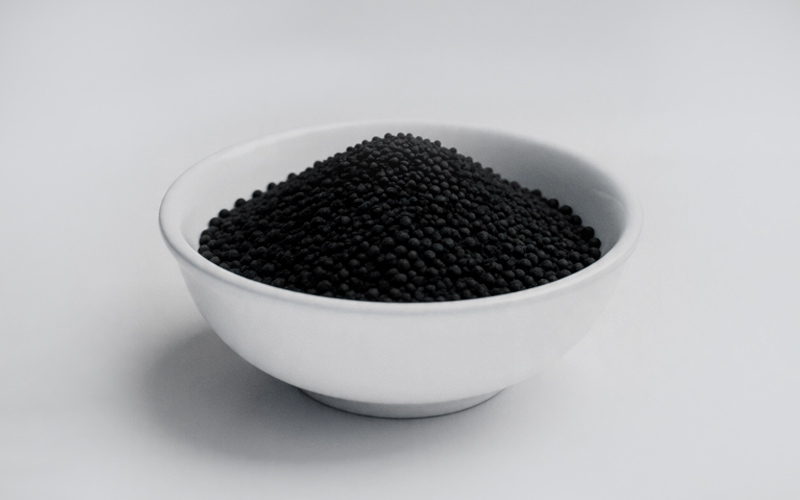
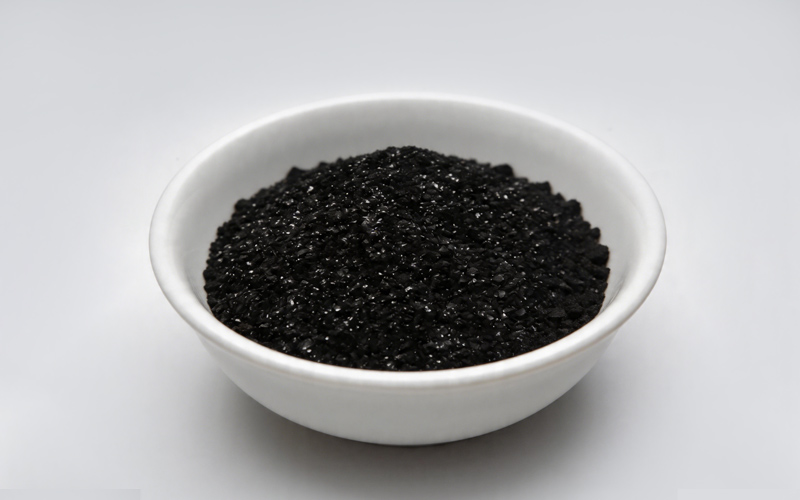
Most buyers only see the final powder or granule form. The real quality difference starts much earlier.
Natural source materials
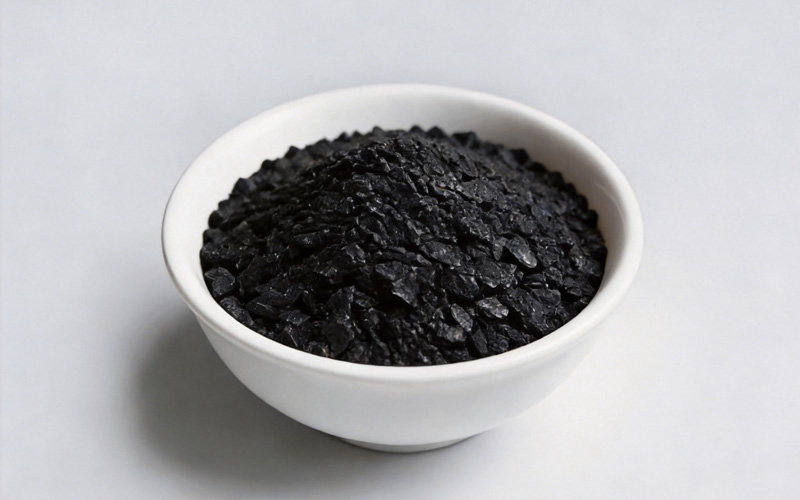
Production typically begins with organic-rich deposits such as lignite or leonardite. These materials are not equal in quality, even if they are labeled similarly. The level of oxidation and humic density directly affects final performance.
Extraction behavior matters more than appearance
During alkaline extraction, humic components are separated into soluble forms. Small variations in control conditions can change:
- Solubility behavior in water systems
- Stability during storage
- Interaction with soil minerals
Why consistency is difficult to maintain
Unlike synthetic chemicals, humic substances are naturally variable. This is one reason experienced buyers pay close attention to batch consistency rather than marketing descriptions.
What Defines “High Quality” Sodium Humate Acid
There is often a gap between laboratory values and field performance. In real agricultural use, several indicators matter more than isolated figures.
Dissolution behavior in irrigation systems
If a product does not disperse evenly in water, it will not perform consistently in fertigation systems. This is often noticed only during application, not during procurement.
Physical stability during storage
Clumping, moisture absorption, or uneven particle distribution can affect usability over time. These issues are not always visible at the time of delivery.
Functional humic activity
Two products with similar test reports may behave differently in soil. This is usually related to molecular structure and extraction method rather than surface-level specifications.
Soil Response: What Actually Changes After Application
When sodium humate acid is used consistently, the changes are typically gradual rather than immediate.
Soil aggregation becomes more stable
Particles bind more effectively, reducing compaction over time.
Water movement becomes more balanced
Soil tends to retain moisture longer without becoming overly saturated.
Nutrient behavior becomes more predictable
Fertilizer efficiency improves not by adding nutrients, but by reducing losses through leaching and fixation.
Microbial activity increases in active zones
Soil biology responds positively to improved organic conditions, especially in depleted soils.
These effects are not always dramatic in the first application cycle, which is why many users underestimate its long-term value.
Application Scenarios That Matter in Practice
Sodium humate acid is used in different systems, but not all applications are equal in performance outcomes.
Irrigation-based agriculture
In drip and sprinkler systems, solubility and dispersion determine effectiveness more than concentration.
Greenhouse environments
Controlled environments benefit from improved root-zone stability and reduced nutrient fluctuation.
Open-field farming
Results are more dependent on soil type and rainfall conditions, making consistency of application more important.
Rehabilitating low-quality soil
In degraded or saline conditions, response is slower but more structurally meaningful over time.
Sodium Humate Acid vs Other Humic Inputs (Practical View)
Instead of theoretical comparisons, buyers usually evaluate based on behavior in their own systems.
Sodium humate vs potassium humate
Both are widely used, but their behavior in different irrigation systems can vary. Sodium-based forms are often preferred where strong solubility and dispersion are required.
Sodium humate vs fulvic-based materials
Fulvic substances tend to act faster at the molecular level, while sodium humate is more involved in structural soil conditioning.
Sodium humate vs organic compost inputs
Compost improves soil broadly but slowly. Sodium humate is often used to accelerate soil condition adjustment.
There is no universal “better” option—only better alignment with soil conditions and farming objectives.
What Experienced Buyers Look for in a Supplier
In real procurement decisions, product description is only part of the evaluation.
Production control consistency
Reliable supply depends on whether raw material sourcing and processing conditions are stable over time.
Technical documentation transparency
COA and specification sheets are not just formalities—they are used to verify batch reliability.
Export and handling capability
For international supply chains, packaging integrity and transport stability often determine usability upon arrival.
Ability to adjust specifications
Different agricultural systems require different solubility levels, particle sizes, or application forms.
Market Reality: Why Demand Is Increasing
The growing interest in sodium humate acid is closely tied to soil degradation issues and efficiency-driven agriculture.
Rather than replacing fertilizers, it is increasingly used to support them—especially in systems where nutrient loss and soil fatigue are recurring problems.
This shift is particularly visible in:
- Intensive farming regions
- Irrigation-dependent agriculture
- Areas with declining soil organic matter
The demand trend is not driven by novelty, but by practical soil performance needs.
A Manufacturing Perspective That Often Gets Overlooked
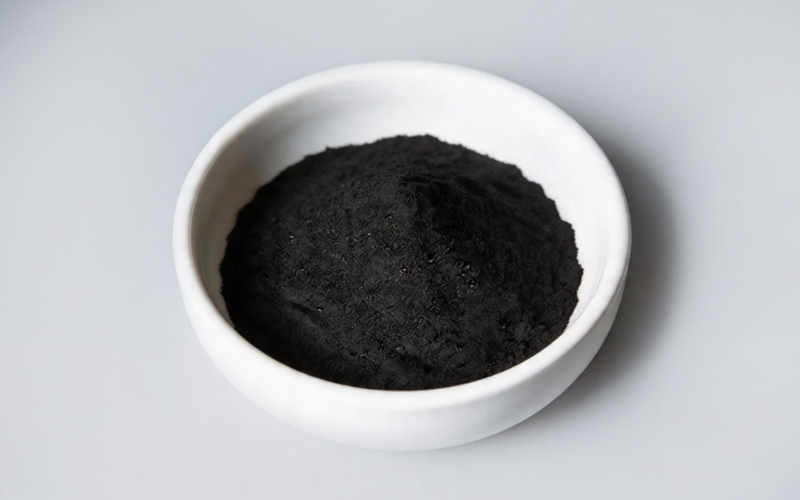
From a production standpoint, sodium humate acid is not a uniform chemical product. It behaves more like a structured organic system.
This explains why:
- Two batches may show similar lab results but perform differently
- Soil response can vary depending on application timing
- Long-term consistency matters more than single-test optimization
Manufacturers who control raw material quality and extraction stability tend to deliver more predictable agricultural outcomes.
Conclusion
Sodium humate acid plays a supporting but increasingly important role in modern soil management. Its value is not limited to nutrient delivery, but lies in how it influences soil structure, moisture behavior, and long-term fertility conditions.
For buyers, the key decision factor is rarely the product itself—it is the stability behind it. Manufacturing control, raw material selection, and application compatibility often determine whether results remain consistent across seasons.
In practical agriculture, the most reliable outcomes come from understanding not just what sodium humate acid does, but how it behaves under real field conditions over time.
FAQ
What is sodium humate acid used for in agriculture?
Sodium humate acid is mainly used as a soil conditioner to improve soil structure, enhance nutrient availability, and support healthier root development in crops.
How does sodium humate acid improve soil quality?
It helps increase soil organic activity, improves water retention, reduces nutrient loss, and promotes better soil aggregation over time.
Can sodium humate acid be used in irrigation systems?
Yes. Due to its water-soluble nature, it can be applied through drip irrigation and fertigation systems for more uniform soil distribution.
What is the difference between sodium humate acid and humic acid?
Sodium humate acid is a water-soluble derivative of humic acid, designed for easier application in liquid or irrigation-based agricultural systems.
How long does it take to see results after application?
Results are usually gradual. Improvements in soil structure and plant response typically become more noticeable after consistent use over multiple application cycles.