
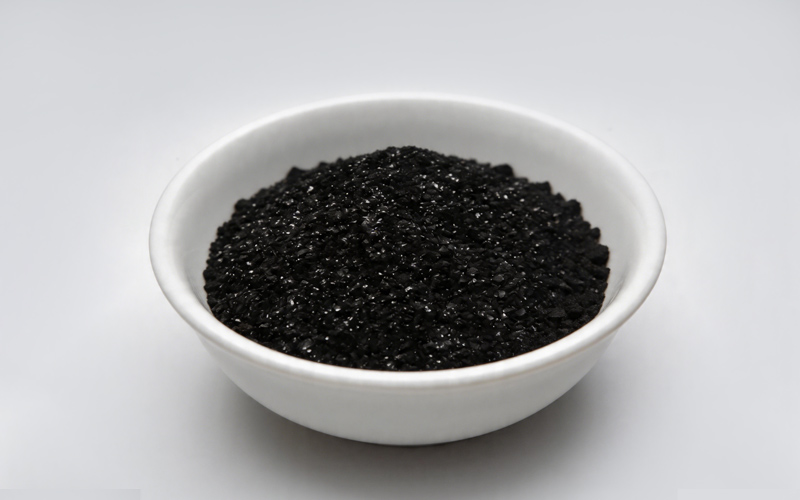
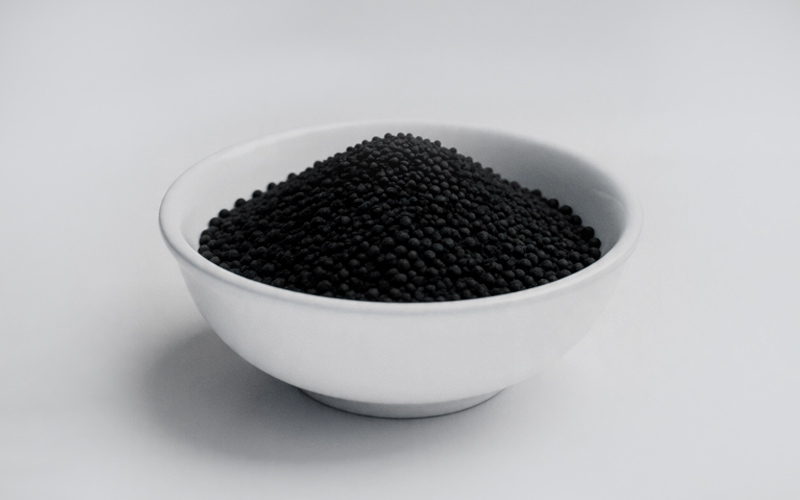
Modern agriculture is facing a challenge that many growers did not expect a decade ago: crops are becoming more dependent on fertilizers while soil quality continues to decline. Intensive farming, excessive chemical input, poor organic matter content, and long-term nutrient imbalance have pushed many agricultural regions into a cycle of reduced soil productivity.
As a result, organic soil amendments are no longer considered optional. Among the most discussed agricultural inputs in recent years, organic humic acid powder has become one of the fastest-growing solutions for improving soil fertility, increasing fertilizer efficiency, and supporting sustainable crop production.
What makes this product especially important today is not simply its organic origin. The growing attention comes from its ability to solve several agricultural problems at the same time — poor soil structure, low nutrient absorption, weak root systems, and declining microbial activity.
For fertilizer manufacturers, agricultural distributors, greenhouse operators, and commercial farms, understanding how organic humic acid powder works is becoming increasingly important.
Table of Contents
Why Organic Humic Acid Powder Is Gaining Global Attention
Agricultural practices around the world are changing rapidly. Growers are no longer focused only on short-term yield increases. More attention is being placed on long-term soil health, water conservation, and sustainable nutrient management.
Organic humic acid powder has become widely used because it supports all of these goals simultaneously.
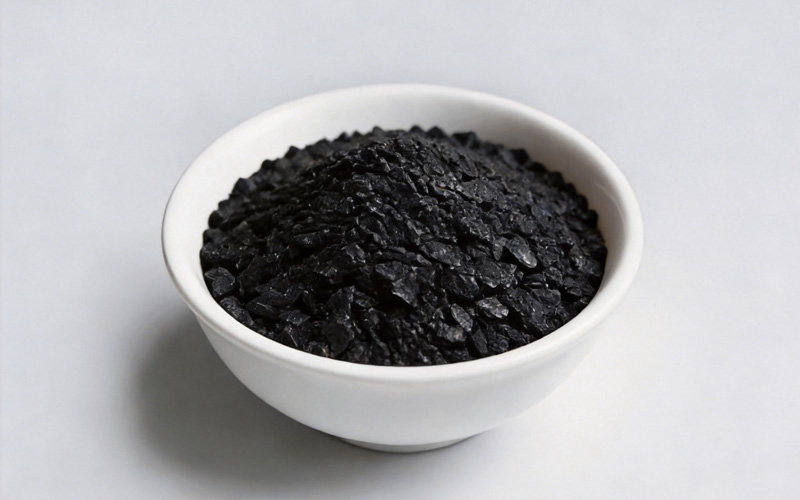
Humic substances are naturally formed during the decomposition of ancient organic matter over millions of years. High-quality humic acid products are commonly extracted from leonardite, a naturally oxidized material rich in humic compounds and organic carbon.
Unlike conventional fertilizers that mainly provide nutrients, humic acid works by improving the soil environment itself.
This difference is significant.
Healthy soil does not simply contain nutrients. It must also maintain:
- Stable microbial activity
- Good water retention
- Balanced aeration
- Strong cation exchange capacity
- Efficient nutrient transport
Organic humic acid powder helps improve these core soil characteristics naturally.
The Hidden Problem in Modern Farming: Fertilizer Inefficiency
One of the most overlooked agricultural problems today is fertilizer loss.
Large amounts of nitrogen, phosphorus, and potassium applied to farmland are never fully absorbed by crops. Instead, nutrients may evaporate, leach into groundwater, or become locked inside compacted soil layers.
This issue increases production pressure while reducing overall fertilizer utilization efficiency.
Organic humic acid powder is increasingly used alongside compound fertilizers because it can help:
- Reduce nutrient fixation
- Improve root nutrient uptake
- Enhance soil microbial activity
- Increase fertilizer retention in the rhizosphere
- Improve nutrient mobility in the soil
For commercial agriculture, improving fertilizer efficiency has become just as important as increasing fertilizer application.
This shift is one of the key reasons humic acid products are becoming more popular in large-scale farming systems.
How Organic Humic Acid Powder Improves Soil Structure
Soil degradation is now a major concern in many agricultural regions.
Compacted soil limits root growth, reduces oxygen circulation, and weakens water penetration. Over time, this creates poor growing conditions even when fertilizers are continuously applied.
Organic humic acid powder contributes to soil improvement in several ways.
Increasing Soil Aggregation
Humic substances help bind small soil particles into larger aggregates. Better aggregation improves:
- Soil aeration
- Root penetration
- Moisture retention
- Resistance to erosion
Well-aggregated soil also becomes easier to cultivate and manage.
Improving Water-Holding Capacity
In sandy soils, water drains too quickly. In clay soils, excessive compaction may prevent proper drainage.
Organic humic acid helps balance moisture conditions by improving the soil’s natural ability to retain water while maintaining better structure.
This is especially important in regions affected by drought stress or irregular rainfall patterns.
Supporting Beneficial Soil Microorganisms
Healthy microbial populations are essential for nutrient cycling and organic matter decomposition.
Humic substances create a more favorable environment for beneficial microorganisms, which can contribute to improved soil biological activity over time.
The Relationship Between Humic Acid and Root Development
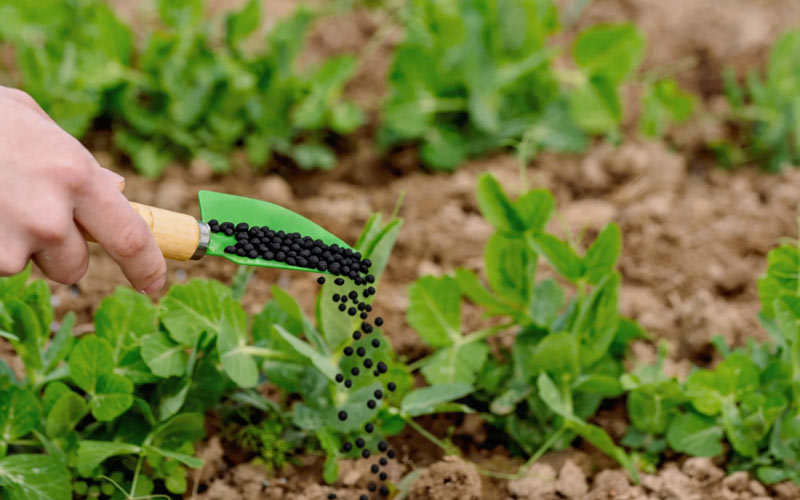
Strong roots are often the foundation of successful crop production.
Without a healthy root system, plants struggle to absorb nutrients efficiently regardless of fertilizer availability.
Organic humic acid powder is widely used because it can stimulate root activity and improve root development during critical growth stages.
Growers frequently apply humic acid during:
- Seedling establishment
- Transplant recovery
- Early vegetative growth
- Root expansion periods
Enhanced root systems can improve crop resilience under environmental stress conditions such as:
- Salinity
- Drought
- Temperature fluctuations
- Soil compaction
For greenhouse cultivation and high-value crops, root health has become a major focus area in nutrient management programs.
Organic Humic Acid Powder in Sustainable Agriculture
Sustainable farming is no longer limited to organic-certified farms.
Many conventional agricultural operations are now integrating soil-conditioning materials into their crop nutrition systems to reduce environmental pressure and improve long-term land productivity.
Organic humic acid powder aligns with several modern agricultural trends:
Reduced Chemical Dependency
Growers are increasingly attempting to optimize fertilizer efficiency rather than continuously increasing fertilizer application rates.
Humic acid products support this transition by improving nutrient utilization.
Soil Carbon Management
Organic matter depletion has become a growing issue globally.
Humic substances contribute organic carbon to the soil ecosystem, supporting improved soil quality and long-term fertility management.
Regenerative Agriculture Practices
Regenerative agriculture emphasizes restoring biological activity and soil functionality.
Organic humic acid powder is often incorporated into regenerative farming systems due to its role in improving soil structure and supporting microbial ecosystems.
Agricultural Applications Across Different Crop Systems
One reason for the rapid growth of organic humic acid powder is its versatility across multiple agricultural sectors.
Field Crops
Large-scale crops such as wheat, rice, soybean, and corn commonly use humic acid to improve nutrient efficiency and support root development.
Fruit Production
Fruit growers often focus on soil vitality and nutrient uptake consistency. Humic acid is frequently applied in orchards to support root activity and improve soil conditions around perennial crops.
Vegetable Cultivation
Vegetable production systems typically require intensive nutrient management. Organic humic acid powder can help improve nutrient availability while supporting healthier root environments.
Greenhouse Farming
Greenhouse soils often experience long-term fertilizer accumulation and salinity pressure.
Humic substances may help improve soil buffering capacity and maintain better root-zone conditions.
Water-Soluble Organic Humic Acid Powder in Modern Irrigation Systems
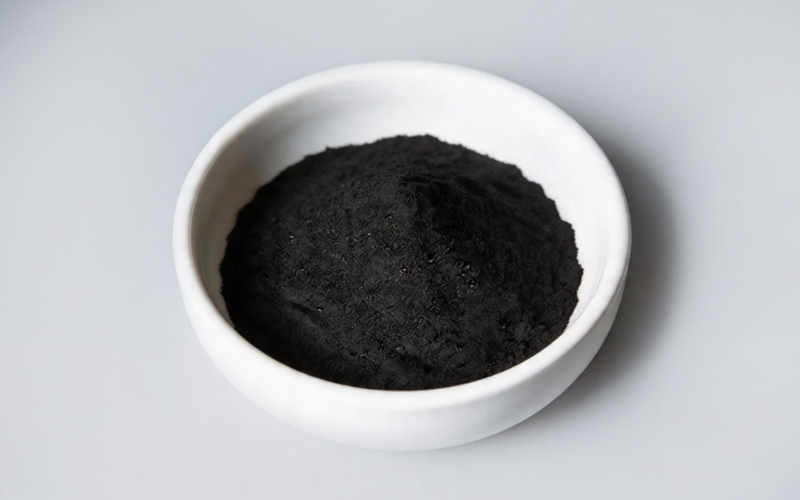
Modern agriculture increasingly relies on precision irrigation technologies.
Water-soluble organic humic acid powder is now commonly used in:
- Drip irrigation systems
- Fertigation programs
- Hydroponic nutrient management
- Controlled irrigation systems
High solubility is especially important because poor dissolution can clog irrigation equipment or reduce nutrient distribution uniformity.
For this reason, manufacturers increasingly focus on particle fineness, purity, and water-soluble formulations during production.
How to Evaluate Organic Humic Acid Powder Quality
Not all humic acid products offer the same performance.
For agricultural distributors and fertilizer manufacturers, evaluating product quality is essential.
Several technical indicators are commonly considered:
Humic Acid Content
Higher humic acid concentration generally indicates stronger soil-conditioning potential.
Water Solubility
Better solubility improves application flexibility, especially for irrigation systems and liquid fertilizer blending.
Moisture Level
Stable moisture control improves storage stability and transportation performance.
Raw Material Source
Leonardite-derived humic acid products are often preferred because of their naturally high humic substance content.
Manufacturing Consistency
Reliable production standards help ensure stable particle size, purity, and product performance across different batches.
Why Global Agricultural Markets Continue Expanding Humic Acid Demand
The global agricultural industry is under pressure to produce more food while using resources more efficiently.
This challenge is driving demand for products that improve soil productivity rather than simply increasing chemical fertilizer inputs.
Several trends continue to support the growth of organic humic acid powder worldwide:
- Expansion of sustainable farming practices
- Increasing concern about soil degradation
- Rising interest in regenerative agriculture
- Growth of water-saving irrigation systems
- Higher demand for environmentally responsible crop production
As agricultural technologies continue evolving, soil improvement products are expected to play a more important role in long-term crop management strategies.
Common Mistakes Growers Make When Using Humic Acid Products
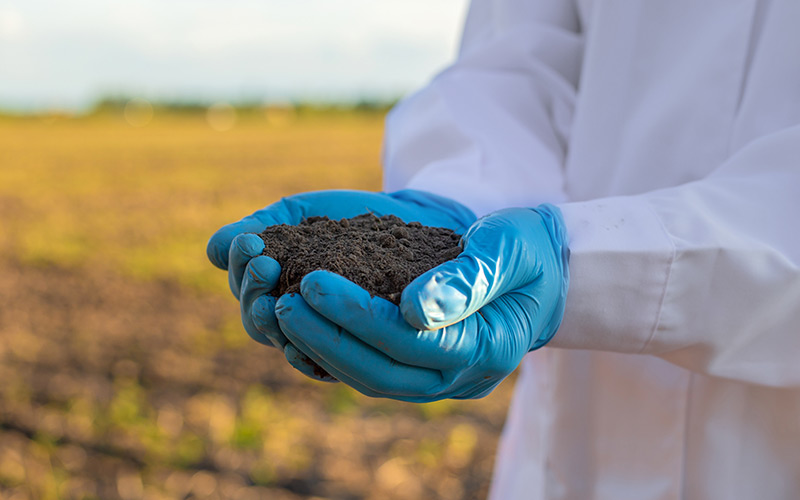
Although organic humic acid powder is highly versatile, improper application may reduce effectiveness.
Excessive Application
Applying more product than necessary does not always produce better results. Balanced nutrient management remains important.
Poor Fertilizer Compatibility
Some growers fail to evaluate compatibility when mixing humic acid with other agricultural inputs.
Ignoring Soil Conditions
Application strategies should consider:
- Soil pH
- Organic matter content
- Irrigation method
- Crop type
- Climate conditions
Customized application programs generally produce more consistent results.
Conclusion
Organic humic acid powder is becoming one of the most important soil-conditioning materials in modern agriculture because it addresses multiple agricultural challenges simultaneously. From improving soil structure and supporting root development to enhancing fertilizer efficiency and promoting sustainable farming, its role continues to expand across global crop production systems.
For agricultural suppliers, fertilizer manufacturers, distributors, and commercial growers, selecting high-quality organic humic acid powder is no longer simply about adding another fertilizer component. It is increasingly part of a broader strategy focused on soil restoration, nutrient efficiency, and long-term agricultural sustainability.
As global agriculture continues shifting toward environmentally responsible production methods, demand for reliable humic acid products is expected to remain strong in both conventional and organic farming sectors.
FAQ
What is organic humic acid powder used for?
Organic humic acid powder is mainly used to improve soil structure, enhance nutrient absorption, and support healthier plant growth in agriculture and horticulture.
Can organic humic acid powder improve fertilizer efficiency?
Yes. Organic humic acid powder helps reduce nutrient loss and improves the availability of nutrients in the soil, allowing crops to absorb fertilizers more effectively.
Is organic humic acid powder suitable for all crops?
Organic humic acid powder can be used for a wide range of crops, including vegetables, fruit trees, grains, greenhouse crops, and turf management applications.
How is organic humic acid powder applied?
It can be applied directly to the soil, mixed with fertilizers, or dissolved for use in drip irrigation and fertigation systems, depending on the farming method.
What should buyers look for in high-quality organic humic acid powder?
Important factors include humic acid content, water solubility, raw material quality, particle size uniformity, and consistent manufacturing standards.