
Table of Contents
Introduction
In recent years, soil management has quietly become the center of modern agriculture. Yields are no longer improved only by adding more fertilizer, but by improving how soil actually functions. This is where potassium humate has gained attention.
It is not a “quick-feed” fertilizer in the traditional sense. Instead, it behaves more like a soil system regulator. Farmers and growers use it to support root environments, improve nutrient efficiency, and stabilize long-term soil productivity.
What makes it increasingly relevant is simple: soils are being pushed harder than ever, while sustainability expectations are rising. Potassium humate sits right in that intersection.
What Is Potassium Humate and How It Is Produced
Potassium humate is derived from humic substances found in natural deposits such as leonardite. Chemically, it is the potassium salt of humic acid, processed into a form that can dissolve and interact efficiently in soil and irrigation systems.
The manufacturing process is relatively straightforward in concept but highly sensitive in execution. It generally includes:
- Selection and preparation of leonardite raw material
- Alkaline extraction of humic acid
- Reaction with potassium sources to form stable humate compounds
- Filtration and refinement to remove insoluble residues
- Drying or liquid formulation depending on end use
Different production techniques influence solubility, stability, and field performance. This is one reason why potassium humate products vary significantly in real agricultural results.
A key point often overlooked is that raw material quality determines most of the final performance, long before formulation adjustments are made.
Why Farmers Actually Use Potassium Humate (Beyond “Soil Improvement”)
On paper, many soil conditioners claim similar benefits. In practice, potassium humate is valued for how it behaves under real field stress conditions.
Instead of acting as a direct nutrient source, it supports three core processes:
- Nutrient retention in the root zone
- Improved root-soil contact efficiency
- Enhanced biological activity in soil ecosystems
These effects may not be immediately visible above ground, but they influence how crops respond to fertilizer inputs over time.
One of the most practical advantages is its ability to reduce nutrient loss, especially in irrigation-heavy or sandy soil environments where leaching is a constant issue.
Soil Behavior: What Changes After Application

Soil is not static, and potassium humate interacts with it in multiple layers rather than a single function.
After application, several changes typically occur:
- Soil particles begin to aggregate more effectively
- Water retention improves in both light and degraded soils
- Microbial activity becomes more stable
- Nutrient mobility in the root zone becomes more controlled
In simplified terms, soil becomes more “cooperative” with fertilizer inputs.
This is especially relevant in long-term farming systems where soil fatigue is common but not always immediately visible.
Crop Response: What Happens Above Ground
Crop response is usually indirect but consistent when potassium humate is used correctly.
Instead of forcing growth, it supports plant physiology in a more balanced way:
- Root systems develop more extensively
- Plants tolerate drought and temperature fluctuations better
- Nutrient uptake becomes more efficient
- Growth tends to be more uniform across fields
The most noticeable difference often appears under stress conditions rather than ideal ones. Crops treated with potassium humate tend to maintain stability when environmental conditions become less predictable.
Where It Fits in Modern Fertilizer Systems
Potassium humate is rarely used alone. It is more commonly integrated into broader nutrient programs.
Typical integration methods include:
- Mixing with nitrogen, phosphorus, and potassium fertilizers
- Application through drip irrigation systems
- Use in foliar spray programs for fast response
- Seed treatment in specific crop strategies
Its compatibility with irrigation systems is one reason it has become part of precision agriculture setups.
In many farming systems, it functions as a “support layer” that improves the efficiency of other inputs rather than replacing them.
Powder, Flake, Granule, Liquid — Why Form Matters
The physical form of potassium humate is not just packaging variation. It directly affects how it behaves in the field.
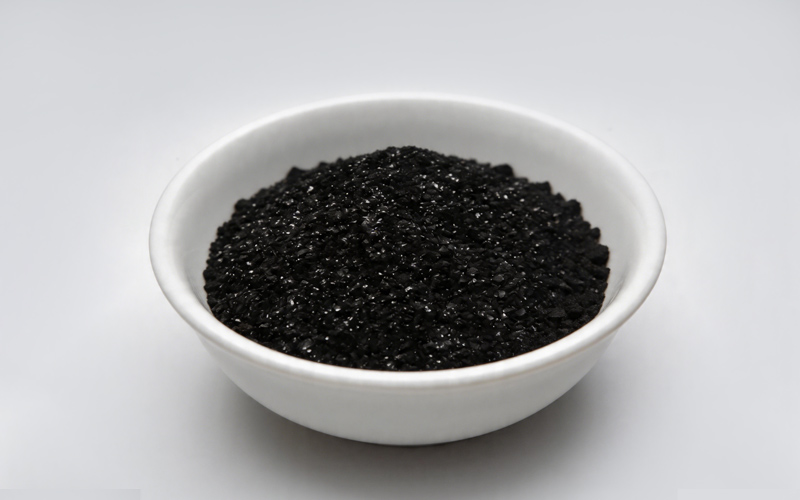
- Powder forms dissolve quickly and are often used in fertigation
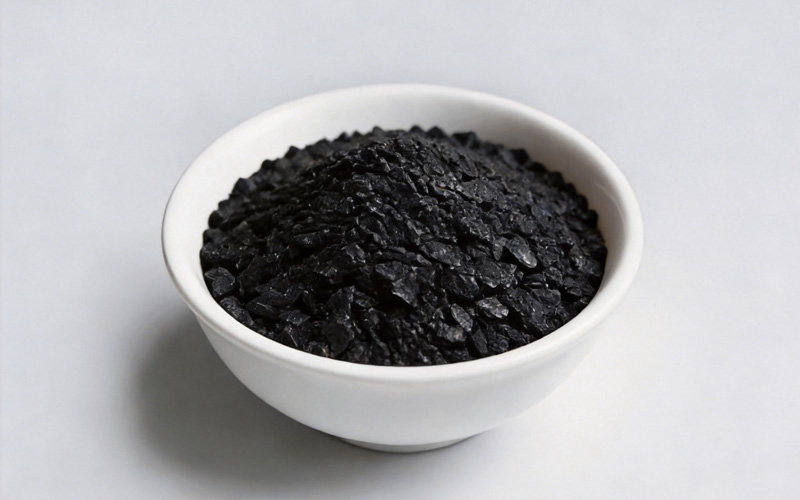
- Flake forms provide controlled solubility over time
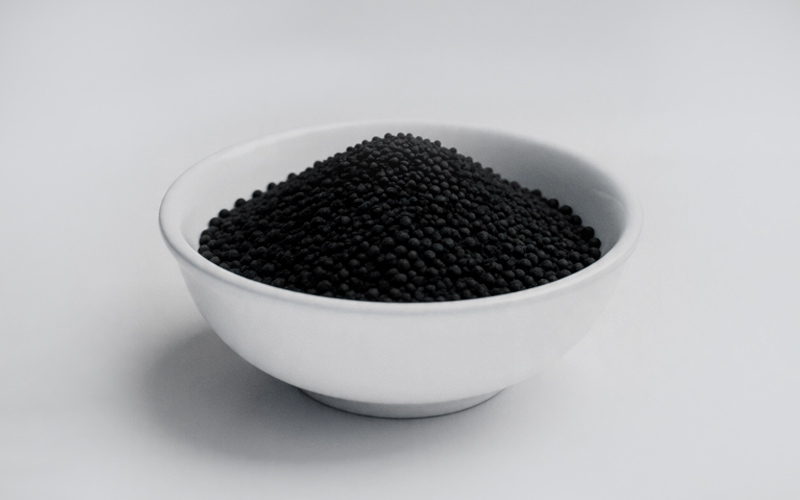
- Granules are suited for soil incorporation and field spreading
- Liquid forms are preferred for fast-acting irrigation systems
Choosing the correct form depends more on irrigation structure and crop type than on product strength alone.
Potassium Humate Compared With Other Soil Inputs
Rather than listing theoretical differences, it is more practical to understand how it behaves differently in the field.
Compared with humic acid:
Potassium humate dissolves more easily and integrates better into irrigation systems.
Compared with compost:
It responds faster in soil environments, especially in controlled farming systems.
Compared with synthetic fertilizers:
It does not replace nutrients but improves how efficiently they are used.
This positioning is important. It is not competing directly with fertilizers; it is modifying how fertilizers perform.
What Defines a Consistent Product
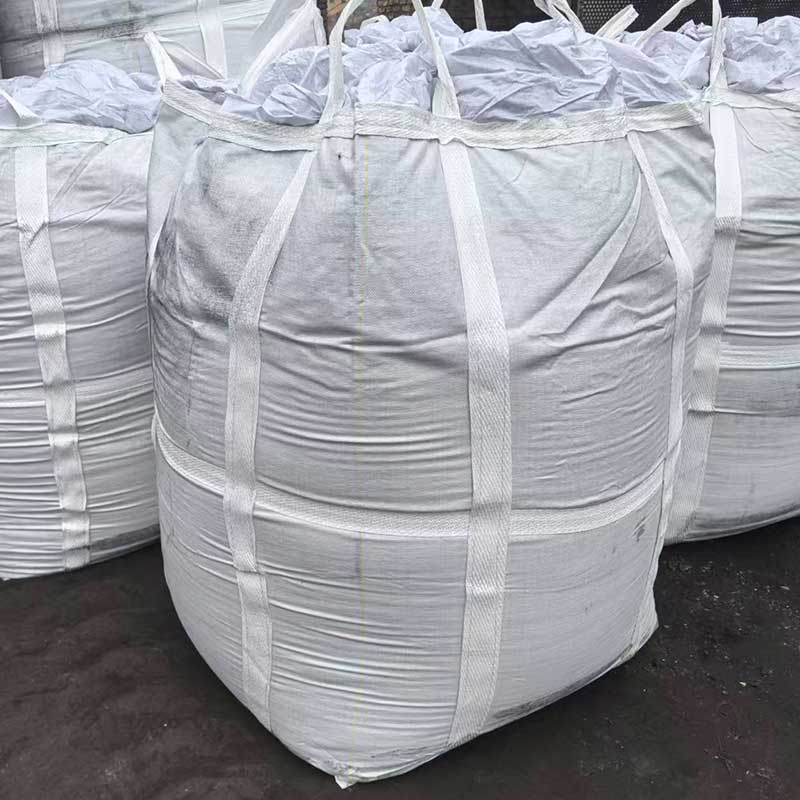
In agricultural inputs, consistency often matters more than formulation complexity.
Key indicators of stable potassium humate include:
- Reliable humic acid content across batches
- Stable solubility in water systems
- Controlled moisture levels
- Predictable behavior in different soil types
For large-scale agricultural users, inconsistency leads to uneven field performance, which is often more problematic than lower-than-expected results.
Manufacturing Perspective: Why Source Control Matters
From a production standpoint, potassium humate quality is heavily dependent on raw material selection and processing stability.
Factories that control raw material sourcing tend to achieve:
- More consistent humic content
- Better solubility performance
- Reduced batch variation
- Improved adaptability for different agricultural systems
This is especially important for export markets where soil conditions vary significantly across regions.
Storage and Field Handling Reality
Although potassium humate is relatively stable, it still requires proper handling to maintain performance.
In real-world conditions, the main considerations are:
- Avoid prolonged exposure to moisture
- Keep packaging sealed during storage
- Prevent contamination with incompatible materials
- Maintain dry and ventilated storage conditions
These factors are often underestimated but can affect usability, especially for soluble formulations.
Applications Beyond Conventional Farming
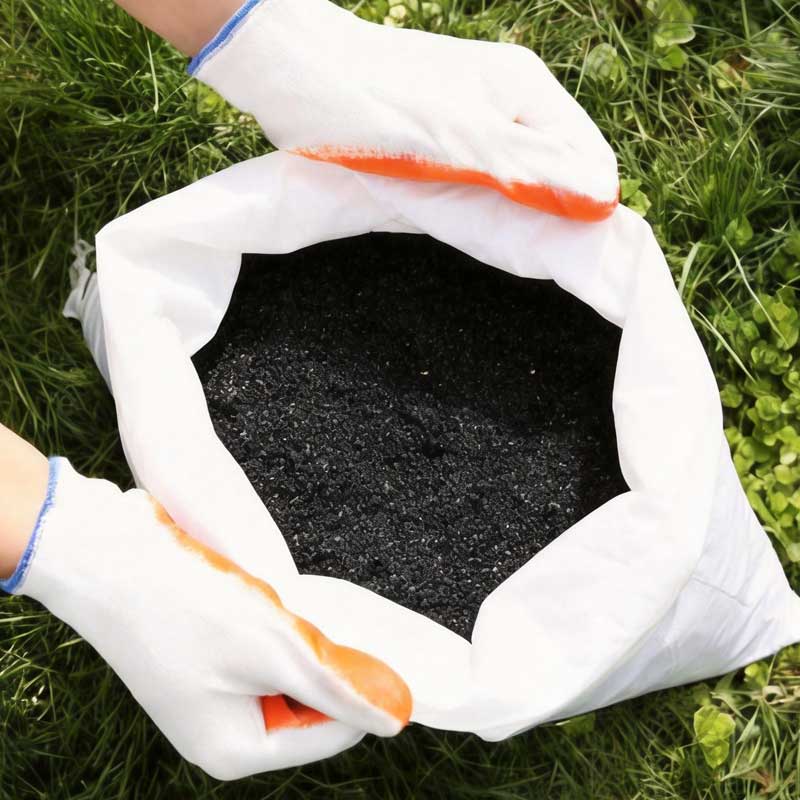
While agriculture remains the primary use case, potassium humate is also used in broader land management contexts.
Examples include:
- Rehabilitation of degraded soil areas
- Landscape soil conditioning
- Environmental restoration projects
- Horticultural soil improvement programs
Its role in these applications is consistent with its core function: improving soil structure and biological activity.
Conclusion
Potassium humate is best understood not as a standalone fertilizer, but as a soil function enhancer. Its value lies in how it changes the way soil interacts with water, nutrients, and biological activity.
In modern agriculture, where efficiency and sustainability are increasingly linked, this type of soil-conditioning input plays a more important role than ever before.
For growers and distributors, understanding how it behaves in real soil systems is more important than focusing on specifications alone. When used correctly within a structured fertilization program, it becomes a stabilizing factor that supports both crop performance and long-term soil health.
FAQ
Q1: What is potassium humate used for in agriculture?
A: It is mainly used to improve soil structure, enhance nutrient efficiency, and support healthier root development in crops.
Q2: How does potassium humate improve soil health?
A: It increases soil organic activity, improves water retention, and helps nutrients stay available in the root zone for longer periods.
Q3: Can potassium humate be used with other fertilizers?
A: Yes, it is commonly used together with NPK fertilizers and works by improving their absorption and utilization efficiency.
Q4: What are the common forms of potassium humate products?
A: It is typically available in powder, flake, granule, and liquid forms depending on application methods and irrigation systems.
Q5: Is potassium humate suitable for all types of crops?
A: It can be used for most crops, including cereals, vegetables, and fruit trees, especially in soils that need organic improvement or stress resistance.