

Table of Contents
Introduction
In modern farming, yield problems rarely appear suddenly. A weak root system, poor nutrient movement, compacted soil, drought stress, salinity pressure, and uneven crop quality often begin below the surface long before visible symptoms appear on the plant. That is why more growers, distributors, and fertilizer formulators are paying attention to mineral-derived potassium fulvate as part of a more efficient soil and crop nutrition strategy.
Unlike conventional nutrient products that focus only on supplying single elements, mineral-derived potassium fulvate works more like a soil and nutrient efficiency enhancer. It helps improve nutrient availability, supports root-zone activity, and strengthens the connection between soil condition and crop performance. For buyers looking for a practical fertilizer ingredient for grains, vegetables, fruits, oil crops, and cash crops, it offers a flexible option that can fit into soil application, fertigation, foliar feeding, and compound fertilizer formulas.
For agricultural businesses sourcing high-efficiency fertilizer materials, Chunlei Agriculture provides Mineral-Derived Potassium Fulvate as part of its Potassium Fulvate Series, supporting crop nutrition programs that focus on soil improvement, nutrient absorption, and long-term plant resilience.
Why Soil-First Fertilization Is Becoming More Important
Many fertilizer programs still begin with a simple question: “What nutrients does the crop need?” That question is important, but it is no longer enough. A more practical question is: “Can the soil and roots actually use the nutrients being applied?”
When soil structure is poor, nutrient uptake becomes less efficient. Fertilizer may be present in the soil, but plants may not absorb it evenly. This can lead to weak seedlings, slow growth, yellowing leaves, poor fruit setting, uneven maturity, and lower crop quality. In sandy soil, nutrients may leach quickly. In clay soil, nutrients may become fixed or unavailable. In saline or alkaline soil, root stress can limit absorption even when fertilizer input is sufficient.
Soil organic matter plays an important role in improving water movement, nutrient storage, microbial activity, and soil aggregation. The USDA Natural Resources Conservation Service explains that better soil structure can increase water infiltration and reduce runoff, while soil organic matter can hold far more water and nutrients than mineral particles alone. The FAO guide on soil organic matter also highlights the role of organic matter in supporting soil fertility, moisture retention, and sustained food production.
This is the context where mineral-derived potassium fulvate becomes valuable. It does not replace a complete fertilization program, but it helps make the existing program work better by improving the environment where roots and nutrients interact.
What Is Mineral-Derived Potassium Fulvate?
Mineral-derived potassium fulvate is a water-soluble potassium salt of fulvic acid, usually sourced from naturally humified mineral materials such as weathered coal or lignite. It contains active fulvic substances and potassium, giving it both soil-conditioning and crop-nutrition value.
Fulvic acid is known for its small molecular structure, strong activity, and ability to interact with minerals and nutrients. When combined with potassium, it becomes easier to apply in agricultural systems and can support both nutrient transport and plant physiological function.
In simple terms, mineral-derived potassium fulvate has three important roles:
It helps nutrients move more efficiently in the root zone.
It supports better soil structure and root development.
It supplies potassium, which is important for water regulation, photosynthesis, and crop stress tolerance.
The University of Minnesota Extension notes that potassium supports root growth, drought resistance, turgor maintenance, photosynthesis, and water-loss control in crops. When potassium is delivered together with active fulvic substances, the product can become especially useful in programs designed to improve both nutrient efficiency and crop resilience.
Why Mineral-Derived Potassium Fulvate Is a Strong Blog Keyword
The keyword mineral-derived potassium fulvate has clear search intent. Users searching this phrase are usually not looking for general fertilizer information. They often want to understand what the product is, how it works, where it can be applied, and how to evaluate a reliable supplier.
This keyword is suitable for B2B fertilizer websites because it connects three valuable search angles:
Product education: buyers want to understand the difference between potassium fulvate, potassium humate, humic acid, and organic fertilizer.
Application guidance: growers and distributors want to know how the product supports soil improvement, nutrient uptake, and crop stress resistance.
Supplier inquiry intent: importers, formulators, and agricultural distributors may search for stable sources, bulk supply, OEM packaging, and technical support.
For Chunlei Agriculture, this topic also works well because the website already has related products such as Potassium Humate, Raw Humic Acid Powder, and bio-organic fertilizer products. A well-structured article about mineral-derived potassium fulvate can therefore connect product education with internal product navigation and inquiry conversion.
How Mineral-Derived Potassium Fulvate Works in Soil and Plants
Mineral-derived potassium fulvate works through several mechanisms at the same time. Its value is not limited to one nutrient or one crop stage. Instead, it helps improve the efficiency of the soil-plant system.
Improving nutrient availability
Fulvic substances can interact with nutrients and trace elements, helping keep them more available in the soil solution. This is especially useful in soils where phosphorus, calcium, magnesium, iron, zinc, or other nutrients may become less accessible due to pH or soil-binding conditions.
A peer-reviewed study available through PubMed Central reported that potassium fulvic acid application can support plant rooting, germination, and soil-environment improvement in crop production research. While field results always depend on crop type, soil condition, climate, and management practices, the research direction supports the practical value of fulvic-based inputs in crop nutrition programs.
Supporting root development
A strong root system is the foundation of stable crop growth. When roots are weak, plants cannot absorb water and nutrients efficiently. Mineral-derived potassium fulvate helps create a more active root-zone environment, which can support root extension and improve the contact area between roots and nutrients.
This is especially important during transplanting, early vegetative growth, flowering, and fruit enlargement. These stages require fast nutrient movement and stable root activity.
Enhancing stress tolerance
Crops are often exposed to drought, salinity, temperature fluctuation, nutrient imbalance, and poor soil aeration. Mineral-derived potassium fulvate can support plant stress resistance by improving root-zone conditions and helping crops use nutrients more efficiently. Potassium also plays a key role in water regulation inside plants, which is important under dry or high-temperature conditions.
Improving fertilizer efficiency
Many growers are not simply trying to apply more fertilizer. They are trying to get better results from every fertilizer application. Mineral-derived potassium fulvate can be used with NPK fertilizers, water-soluble fertilizers, trace elements, and organic fertilizer systems to improve nutrient movement and reduce waste caused by low absorption efficiency.
Key Benefits of Mineral-Derived Potassium Fulvate
| Grower Challenge | What Happens in the Field | How Mineral-Derived Potassium Fulvate Helps | Suitable Crop Stage |
|---|---|---|---|
| Poor nutrient uptake | Leaves show uneven color, slow growth, or weak vigor | Helps improve nutrient mobility and availability | Seedling, vegetative growth, flowering |
| Weak root system | Plants struggle after transplanting or drought | Supports root-zone activity and root development | Early growth, transplant recovery |
| Soil compaction | Roots cannot expand easily | Helps improve soil structure when used in long-term programs | Before planting, root expansion stage |
| Salinity or drought stress | Crop growth becomes unstable | Supports water regulation and stress tolerance | Hot season, dry period, saline soil areas |
| Low fertilizer efficiency | Fertilizer input does not match crop response | Works as a fertilizer efficiency enhancer | Throughout fertilization program |
| Uneven fruit or grain quality | Size, color, filling, or maturity becomes inconsistent | Supports balanced nutrient absorption | Fruit enlargement, grain filling, quality formation |
Best Crop Applications for Mineral-Derived Potassium Fulvate
Mineral-derived potassium fulvate is suitable for many crop categories because its main function is not limited to one nutrient demand. It supports soil health, nutrient uptake, and stress resistance, which are useful across different farming systems.
Grains
For wheat, rice, maize, and other grain crops, mineral-derived potassium fulvate can support root development, nutrient absorption, and grain filling. It is especially useful where soil fertility is declining or where growers want to improve nutrient-use efficiency.
In grain production, stable early root growth helps build stronger plants before the reproductive stage. Later, better potassium nutrition can support filling, plant strength, and stress resistance.
Vegetables
Vegetables usually require fast nutrient uptake and stable growth. Leafy vegetables need strong vegetative growth, while fruiting vegetables such as tomato, cucumber, pepper, and eggplant need balanced nutrition during flowering and fruit setting.
Mineral-derived potassium fulvate can be used in fertigation or foliar programs to support fast absorption and reduce stress during high-demand growth stages.
Fruits
Fruit crops require long-term soil management because trees depend on healthy roots year after year. Mineral-derived potassium fulvate can help improve root-zone activity, nutrient movement, and crop quality formation.
In fruit production, potassium is closely related to color development, sugar transport, fruit firmness, and overall quality. Mineral-derived potassium fulvate can be included in programs for citrus, grapes, apples, pears, berries, and tropical fruit crops.
Oil crops
For oil crops such as soybean, rapeseed, peanut, and sunflower, mineral-derived potassium fulvate can help support plant vigor, nutrient balance, and reproductive development. When soil nutrient availability is inconsistent, fulvic-based products can help improve fertilizer efficiency.
Greenhouse and high-value crops
In greenhouse systems, growers often rely on precise fertigation. Mineral-derived potassium fulvate fits well into water-soluble fertilizer programs because it can be applied through irrigation systems when compatibility is confirmed. For high-value crops, the focus is not only yield but also uniformity, appearance, and crop quality.
How to Apply Mineral-Derived Potassium Fulvate
Application method should always depend on crop type, soil condition, irrigation system, and local agronomic guidance. Mineral-derived potassium fulvate is flexible, but it should be used as part of a complete crop nutrition plan rather than as a single solution for every problem.
Soil application
Soil application is suitable when the goal is root-zone improvement, soil conditioning, and long-term nutrient efficiency. It can be applied before planting, during early root development, or with base fertilizer programs.
This method is especially useful in fields with poor soil structure, low organic matter, nutrient fixation, or weak root development.
Fertigation
Fertigation is useful for vegetables, fruits, greenhouse crops, and high-frequency irrigation systems. Because mineral-derived potassium fulvate is water-soluble, it can fit into irrigation-based fertilization programs when the product is properly dissolved and filtered.
Before mixing with other fertilizers, compatibility testing is recommended to avoid precipitation, clogging, or unexpected reactions.
Foliar spraying
Foliar spraying can be used when crops need quick support during stress periods or high-demand growth stages. It is often used during vegetative growth, flowering, fruit enlargement, or recovery after environmental stress.
Foliar use should avoid strong sunlight, high temperature, or sensitive crop stages unless local agronomic guidance confirms safety.
Compound fertilizer and formulation use
For fertilizer manufacturers and distributors, mineral-derived potassium fulvate can also be used as an ingredient in compound fertilizers, water-soluble fertilizers, organic-mineral blends, and specialty crop nutrition products. Chunlei Agriculture supports buyers looking for reliable fertilizer materials through its fertilizer products catalog and customized supply services.
Mineral-Derived Potassium Fulvate vs. Potassium Humate vs. Raw Humic Acid Powder
Many buyers compare mineral-derived potassium fulvate with potassium humate and raw humic acid powder. These products are related, but they are not the same.
Mineral-derived potassium fulvate is generally valued for high activity, water solubility, fast absorption, and flexible application in fertigation and foliar programs.
Potassium humate is often used for soil conditioning, improving soil fertility, and supporting long-term soil structure. It is a strong option for base application and soil improvement programs. Buyers can review Chunlei Agriculture’s Potassium Humate product for related soil-conditioning needs.
Raw humic acid powder is more commonly used as a raw material or base ingredient for long-term organic matter improvement and fertilizer manufacturing. Chunlei Agriculture also provides Raw Humic Acid Powder for buyers who need humic-based fertilizer raw materials.
The best choice depends on the intended use. If the goal is fast nutrient movement and flexible application, mineral-derived potassium fulvate is often a better fit. If the goal is bulk soil conditioning, potassium humate or raw humic acid powder may be more suitable.
Practical Field Scenario: Improving Vegetable Growth in Sandy Soil
Consider a vegetable grower working with sandy soil, frequent irrigation, and fast nutrient loss. The grower applies conventional NPK fertilizer regularly, but crop growth is still uneven. Some plants show weak roots, pale leaves, and inconsistent fruit size. Applying more fertilizer may not solve the problem because the issue is not only nutrient supply; it is also nutrient retention and root-zone efficiency.
In this type of situation, mineral-derived potassium fulvate can be included in the fertigation program to help improve nutrient availability and support root activity. It may also be used with trace elements to improve micronutrient movement. Over time, when combined with organic matter management, balanced fertilization, and good irrigation control, the crop can develop a stronger root system and more stable nutrient uptake.
This example does not mean one product can replace soil testing, irrigation management, or a complete fertilizer plan. Instead, it shows where mineral-derived potassium fulvate can become a practical efficiency tool: when nutrients are being applied, but the crop is not using them effectively.
How Buyers Should Evaluate Product Quality
For distributors, importers, and fertilizer formulators, product quality is not only about appearance. A reliable mineral-derived potassium fulvate supplier should provide stable specifications, consistent batch quality, and technical support.
Important quality factors include:
Water solubility: good solubility is important for fertigation and foliar use.
Fulvic acid content: active fulvic substances affect product performance.
Potassium content: potassium level affects nutrient contribution and formulation value.
pH value: pH compatibility matters when mixing with other fertilizers.
Moisture control: lower and stable moisture helps storage and transportation.
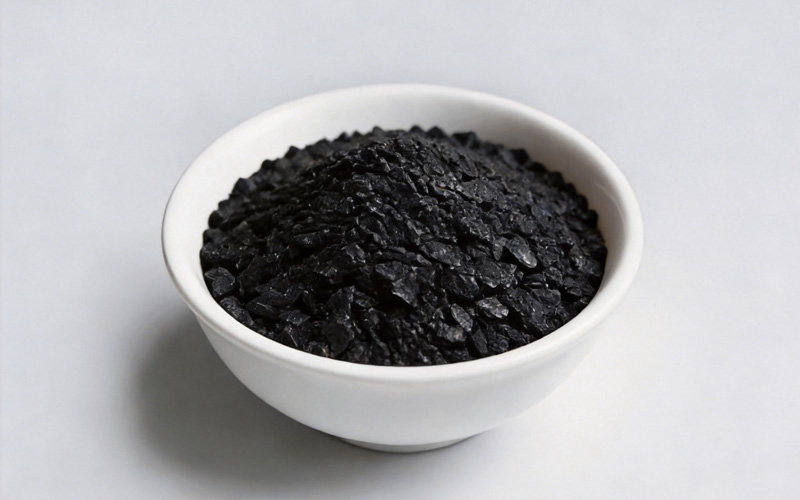
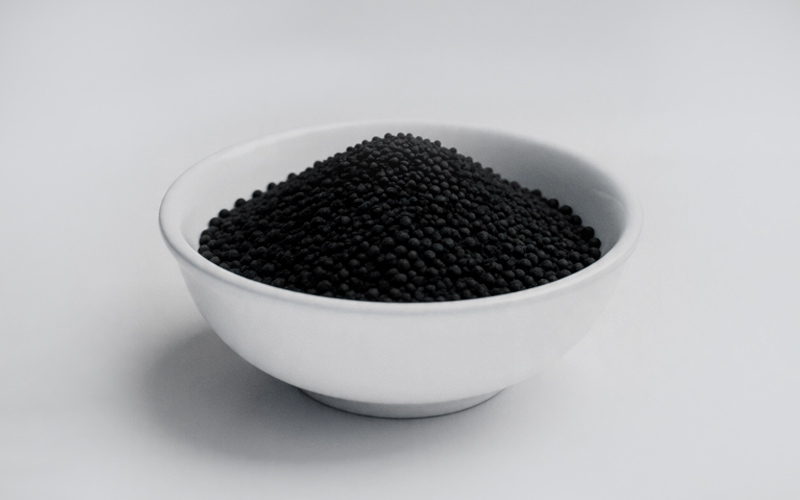
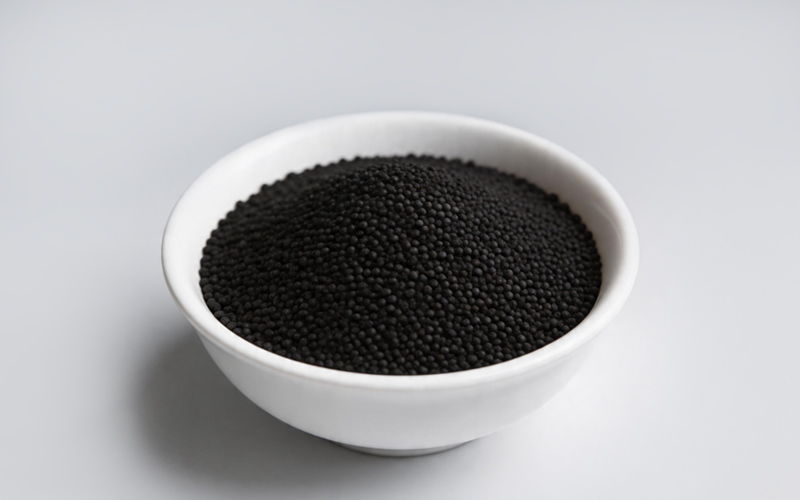
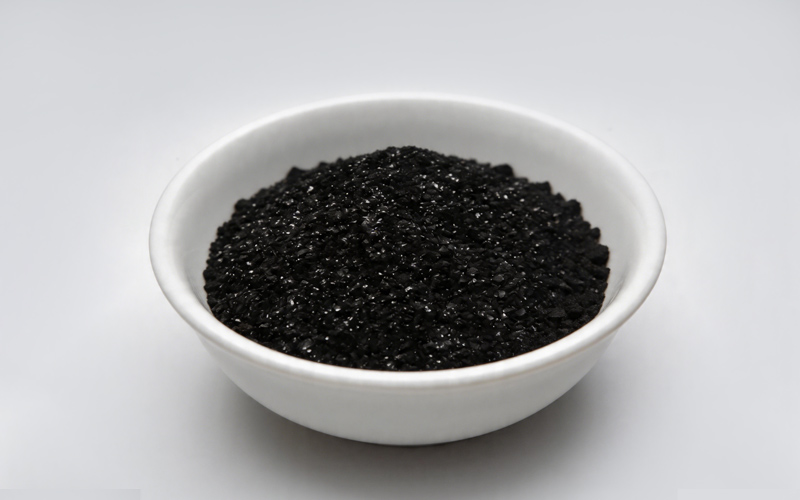
Appearance: powder, granule, or flake form should match the buyer’s application needs.
Packaging options: export buyers may need customized packaging, private label support, or bulk supply.
Documentation: professional suppliers should provide basic technical documents and export support.
Chunlei Agriculture focuses on fertilizer manufacturing, product quality control, export service, and technical support. Buyers can use the Contact Us page to discuss product specifications, crop application needs, sample testing, packaging, and supply requirements.
How to Use Mineral-Derived Potassium Fulvate in a Complete Fertilizer Program
A strong fertilizer program should not depend on one product alone. Mineral-derived potassium fulvate works best when it is integrated with soil testing, balanced nutrients, organic matter management, and crop-stage planning.
For early growth, it can support root development and nutrient uptake.
For vegetative growth, it can help improve nutrient transport and plant vigor.
For flowering and fruit setting, it can support nutrient efficiency during high-demand stages.
For fruit enlargement or grain filling, it can help strengthen potassium-related crop quality formation.
For stress periods, it can help crops respond better to drought, heat, salinity, and nutrient imbalance.
Growers should avoid using mineral-derived potassium fulvate randomly without understanding crop demand. The best approach is to match the product with the crop’s growth stage and the field’s limiting factor.
If the main problem is weak soil structure, combine it with organic matter improvement.
If the main problem is poor nutrient uptake, combine it with balanced NPK and micronutrients.
If the main problem is stress, use it before or during the stress-sensitive period.
If the main problem is quality formation, include it during fruit enlargement, color development, or grain filling.
Common Mixing and Compatibility Considerations
Before large-scale use, buyers and growers should test compatibility with other fertilizers or crop protection products. Mineral-derived potassium fulvate can be combined with many fertilizer systems, but not every tank mix is automatically safe.
A simple jar test is recommended before field application. Mix the planned products with water in the same ratio as field use, observe whether there is precipitation, separation, heat generation, or unusual odor, and confirm that the mixture remains stable.
Avoid mixing with strongly acidic or strongly alkaline materials unless compatibility is confirmed. In fertigation systems, make sure the solution is fully dissolved and filtered to protect irrigation equipment.
For fertilizer manufacturers, compatibility testing is also important when developing water-soluble fertilizer blends, liquid products, or specialty formulations.
Why Supplier Support Matters in B2B Fertilizer Purchasing
For B2B buyers, the supplier’s role does not end with selling a product. A reliable supplier should help buyers understand product positioning, application scenarios, specification options, and packaging choices.
This is especially important for mineral-derived potassium fulvate because different markets may use it in different ways. Some buyers use it as a direct fertilizer product. Others use it as a raw material for blending. Some focus on field crops, while others target greenhouse vegetables, fruit crops, or export crop production.
Chunlei Agriculture provides a product range that includes mineral-derived potassium fulvate, potassium humate, sodium humate, raw humic acid powder, and bio-organic fertilizer products. For buyers who need microbial organic fertilizer options, related products such as Funongli Bio-Organic Fertilizer and Yuzhili Bio-Organic Fertilizer can also support broader soil health programs.
A strong supplier relationship helps reduce sourcing risk, improve product consistency, and create better fertilizer solutions for local markets.
FAQ
What is mineral-derived potassium fulvate used for?
Mineral-derived potassium fulvate is used to support nutrient uptake, root development, soil activity, and crop stress resistance. It can be applied through soil treatment, fertigation, foliar spraying, or fertilizer formulation.
Is mineral-derived potassium fulvate the same as potassium humate?
No. Mineral-derived potassium fulvate is generally more water-soluble and suitable for fast nutrient movement, fertigation, and foliar use. Potassium humate is often used more for soil conditioning and long-term soil fertility improvement.
Can mineral-derived potassium fulvate be mixed with NPK fertilizer?
In many fertilizer programs, it can be used with NPK fertilizers to improve nutrient efficiency. However, a compatibility test is recommended before large-scale mixing, especially in liquid or fertigation systems.
Which crops can use mineral-derived potassium fulvate?
It can be used for grains, vegetables, fruits, oil crops, greenhouse crops, and many cash crops. The application method and timing should be adjusted based on crop stage and soil condition.
Does mineral-derived potassium fulvate replace regular fertilizer?
No. It should not be treated as a full replacement for balanced fertilization. It works best as a nutrient efficiency enhancer and soil-support product within a complete fertilizer program.
How should buyers choose a mineral-derived potassium fulvate supplier?
Buyers should check water solubility, fulvic acid content, potassium content, moisture level, appearance, packaging options, production consistency, technical documentation, and export service capability.
Conclusion
Mineral-derived potassium fulvate is becoming more important because modern agriculture needs more than basic nutrient supply. Growers need better nutrient efficiency, stronger roots, improved soil conditions, and more stable crop performance under stress. For fertilizer distributors, importers, and formulators, it is a practical product category with clear market demand and strong application flexibility.
By supporting nutrient mobility, root-zone activity, potassium nutrition, and stress tolerance, mineral-derived potassium fulvate can help improve the performance of complete fertilizer programs. It is especially valuable when soil conditions limit nutrient use, when crops face environmental pressure, or when buyers want to develop high-efficiency fertilizer solutions for professional growers.
For businesses looking for a reliable source of mineral-derived potassium fulvate and related humic-based fertilizer products, Chunlei Agriculture offers product supply, technical support, and export service through its Potassium Fulvate Series and complete fertilizer product catalog. To discuss product specifications, sample needs, packaging, or customized fertilizer solutions, visit Contact Us.