
Table of Contents
Introduction
Many crop problems begin long before leaves turn yellow, roots stop expanding, or fruit size becomes uneven. In many fields, the real problem is not simply a lack of fertilizer. It is that the soil cannot hold nutrients well, roots cannot absorb nutrients efficiently, and plants cannot respond strongly during stress periods.
That is why more growers, distributors, and fertilizer formulators are paying attention to potassium humate fertilizer. Instead of only adding nutrients, potassium humate fertilizer helps improve the soil environment where nutrients, water, microorganisms, and roots interact.
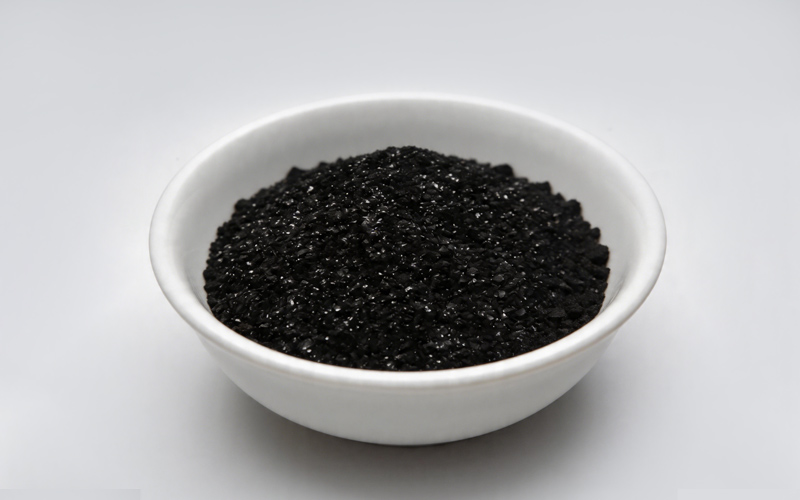
For agricultural buyers looking for a practical soil conditioner fertilizer, Chunlei Agriculture provides Potassium Humate as part of its humic-based fertilizer product range. It is designed to support soil fertility, nutrient absorption, root development, and more efficient crop nutrition programs.
Why Potassium Humate Fertilizer Matters in Modern Farming
Modern agriculture often faces a difficult contradiction: crops need higher productivity, but many soils are becoming less efficient at supporting plant growth. Continuous cropping, low organic matter, salinity, compaction, nutrient fixation, and excessive chemical fertilizer use can all reduce soil performance.
Healthy soil is not just a growing medium. It stores nutrients, holds water, supports microorganisms, allows air movement, and creates space for root expansion. The USDA Natural Resources Conservation Service explains that healthy soil management can improve organic matter, nutrient storage, water retention, and biological activity.
Potassium humate fertilizer fits into this soil-first approach because it combines humic substances with potassium. Humic substances help improve soil physical and chemical properties, while potassium supports plant growth, water regulation, and stress resistance. The University of Minnesota Extension notes that potassium supports root growth, drought resistance, photosynthesis, and water-loss control in crops.
In practical farming terms, potassium humate fertilizer is useful because it helps answer one key question: how can growers make soil and fertilizer work better together?
What Is Potassium Humate Fertilizer?
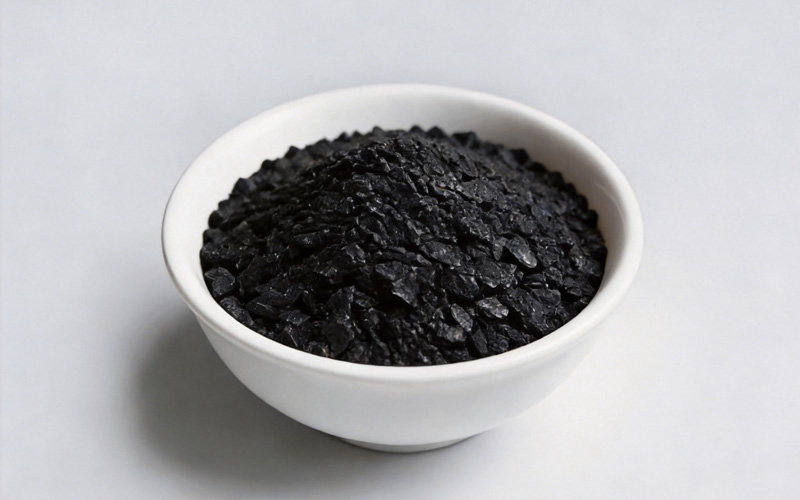
Potassium humate fertilizer is a potassium salt of humic acid, usually extracted from naturally humified mineral sources such as lignite or weathered coal. It is commonly used as a soil conditioner, fertilizer additive, and crop nutrition enhancer.
The product has two important components:
Humic acid substances help improve soil structure, nutrient exchange, and root-zone activity.
Potassium contributes to plant physiological functions such as water balance, enzyme activation, photosynthesis, and stress tolerance.
Compared with simple potassium fertilizer, potassium humate fertilizer does more than supply potassium. Compared with raw humic acid powder, potassium humate is generally easier to apply in agricultural fertilizer systems because it has better usability and compatibility in soil improvement programs.
Chunlei Agriculture’s Potassium Humate is positioned as a high-quality soil conditioning fertilizer for improving nutrient absorption, soil fertility, and agricultural production.
How Potassium Humate Fertilizer Improves Soil Structure
Soil structure affects almost every part of crop growth. When soil is compacted, roots struggle to expand. When soil has poor aggregation, water may run off quickly or remain unevenly distributed. When soil has low organic matter, nutrient retention becomes weaker.
Potassium humate fertilizer helps improve soil structure by supporting aggregation and root-zone activity. Better soil aggregation can create more stable pore spaces, allowing air, water, and roots to move more effectively.
This matters in different soil types:
In sandy soil, potassium humate fertilizer can help improve nutrient and water retention.
In clay soil, it can support better soil looseness and reduce the negative effects of compaction.
In saline or alkaline soil, it can help improve the root-zone environment as part of a broader soil management program.
In degraded soil, it can support long-term fertility improvement when used with organic matter and balanced fertilization.
The FAO soil organic matter guide highlights that organic matter plays an important role in soil fertility, moisture retention, and sustainable crop production. Potassium humate fertilizer can support this direction by helping build a more active and efficient soil environment.
Potassium Humate Fertilizer and Nutrient Uptake
One of the biggest hidden problems in crop production is low nutrient-use efficiency. Fertilizer may be applied to the field, but not all nutrients become available to the plant. Some nutrients may be leached, fixed, locked in unavailable forms, or poorly absorbed because root systems are weak.
Potassium humate fertilizer can help improve nutrient uptake in several ways.
First, humic substances can increase the soil’s nutrient-holding capacity. This helps reduce nutrient loss and supports more stable nutrient availability.
Second, potassium humate fertilizer can improve the root-zone environment. When roots grow better, crops have a larger absorption area and can access more nutrients and water.
Third, it can work with other fertilizers as an efficiency enhancer. Many growers use potassium humate fertilizer together with NPK fertilizer, organic fertilizer, water-soluble fertilizer, or trace element products to improve overall crop response.
This is especially useful for crops that require high nutrient demand during fast growth stages, such as vegetables, fruit trees, greenhouse crops, grains, and cash crops.
For buyers comparing different humic-based fertilizer materials, Chunlei Agriculture also offers Raw Humic Acid Powder for fertilizer formulation and soil improvement needs.
Why Potassium Is Important for Crop Quality and Stress Resistance
Potassium is one of the essential macronutrients for plants. It plays a role in water regulation, photosynthesis, enzyme activity, carbohydrate movement, and crop stress response.
When potassium nutrition is insufficient, crops may show weak stems, poor root growth, leaf-edge yellowing or browning, uneven fruit development, poor filling, and reduced resistance to drought or temperature stress.
A peer-reviewed review available through PubMed Central explains that potassium affects many biochemical and physiological processes related to plant growth, metabolism, and stress response.
This is one reason potassium humate fertilizer is valuable. It does not only improve soil condition; it also brings potassium nutrition into the system. For crops under drought, salinity, high temperature, or nutrient imbalance, this dual function can be useful as part of a complete fertilizer strategy.
Best Crop Applications for Potassium Humate Fertilizer
Potassium humate fertilizer is suitable for a wide range of crops because soil structure, root development, and nutrient efficiency are important in almost every production system.
Field Crops
For wheat, maize, rice, soybean, and other field crops, potassium humate fertilizer can support stronger roots, better nutrient absorption, and improved stress resistance. In field crop systems, it is often used with base fertilizer or soil application programs.
The main goal is to improve soil fertility and help crops build a stronger foundation before reproductive growth. Better early root growth can contribute to stronger plants, better nutrient capture, and more stable yield potential.
Vegetables
Vegetables usually grow quickly and require efficient nutrient supply. Potassium humate fertilizer can support root growth, nutrient uptake, and stress recovery during transplanting, vegetative growth, flowering, and fruit enlargement.
For greenhouse vegetables, it can be used in soil improvement programs or combined with water-soluble fertilizer systems after compatibility testing.
Fruit Trees
Fruit trees need long-term soil health because roots remain in the same soil for many years. Potassium humate fertilizer can support soil structure, root-zone fertility, and nutrient movement around the root system.
For fruit crops, potassium is also closely related to fruit size, firmness, sugar transport, color development, and quality formation. This makes potassium humate fertilizer especially useful in orchard soil management programs.
Cash Crops
For cotton, tobacco, tea, herbs, oil crops, and other cash crops, potassium humate fertilizer can support plant vigor, root development, and balanced nutrient absorption. These crops often have strong quality requirements, so improving soil and nutrient efficiency can help support more consistent production.
How to Apply Potassium Humate Fertilizer
The best application method depends on crop type, soil condition, irrigation system, and local agronomic recommendations. Potassium humate fertilizer is flexible, but it should be used as part of a complete fertilizer program rather than as a single replacement for all nutrients.
Soil Application
Soil application is one of the most common methods. Potassium humate fertilizer can be applied before planting, with base fertilizer, or during key root development stages.
This method is suitable when the goal is to improve soil structure, increase nutrient retention, and support root-zone fertility.
Fertilizer Blending
Potassium humate fertilizer can be used as a functional ingredient in compound fertilizer, organic fertilizer, organic-mineral fertilizer, and soil conditioner products.
For fertilizer manufacturers and distributors, this is a practical way to develop value-added fertilizer formulas focused on soil improvement and nutrient efficiency.
Fertigation
Some potassium humate products can be used in irrigation systems depending on solubility and formulation. Before fertigation use, buyers should confirm product solubility, filtration needs, and compatibility with other fertilizers.
A small compatibility test is recommended before tank mixing.
Foliar Support
Potassium humate fertilizer is mainly known for soil improvement, but some formulations may also be used in foliar programs depending on product specification. Foliar use should follow local crop guidance and avoid high-temperature or strong-sunlight conditions.
For buyers looking for more water-soluble, fast-acting humic-based products, Mineral-derived Potassium Fulvate may be a better match for fertigation or foliar application scenarios.
Potassium Humate Fertilizer vs. Potassium Fulvate
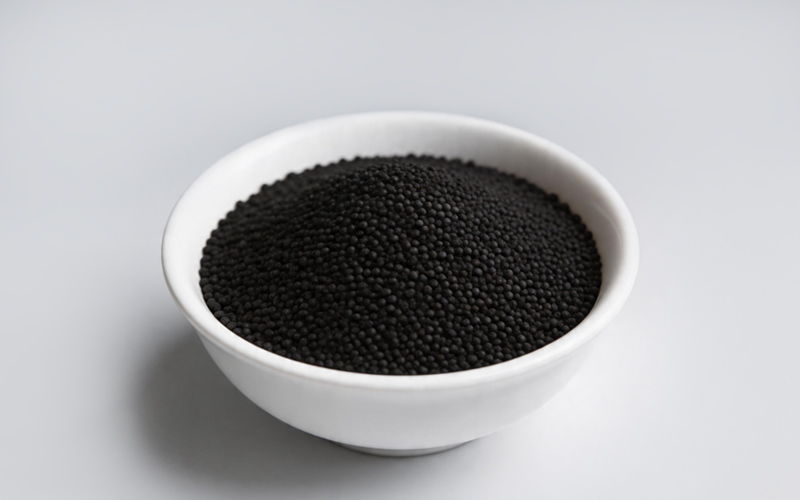
Potassium humate fertilizer and potassium fulvate are both humic-based products, but they are not identical. Understanding the difference helps buyers choose the right product for the right application.
Potassium humate fertilizer is generally more suitable for soil conditioning, improving soil structure, supporting nutrient retention, and long-term root-zone fertility.
Potassium fulvate is usually more suitable for fast absorption, high solubility, foliar feeding, fertigation, and rapid nutrient transport.
A simple way to compare them:
| Product Type | Main Strength | Common Use |
|---|---|---|
| Potassium Humate Fertilizer | Soil conditioning and nutrient retention | Base fertilizer, soil application, fertilizer blending |
| Potassium Fulvate | Fast absorption and high activity | Fertigation, foliar feeding, water-soluble fertilizer |
| Raw Humic Acid Powder | Raw material and long-term organic matter support | Fertilizer manufacturing, soil amendment formulas |
For a complete product selection, buyers can review Chunlei Agriculture’s fertilizer products catalog.
Common Problems Potassium Humate Fertilizer Can Help Address
Potassium humate fertilizer is not a magic solution, but it can help improve many common soil and crop problems when used correctly.
| Field Problem | Possible Cause | How Potassium Humate Fertilizer Helps |
|---|---|---|
| Weak root growth | Compacted soil, poor soil structure, low organic matter | Supports root-zone improvement and soil looseness |
| Low fertilizer efficiency | Nutrient leaching, fixation, poor root uptake | Helps improve nutrient retention and absorption |
| Drought stress | Poor water-holding capacity, weak root system | Supports soil water retention and potassium-related stress tolerance |
| Uneven crop growth | Poor nutrient distribution or weak soil fertility | Helps stabilize root-zone nutrient availability |
| Declining soil fertility | Long-term intensive farming | Supports soil conditioning and organic matter management |
| Poor crop quality | Potassium imbalance or weak nutrient transport | Supports potassium nutrition and crop quality formation |
How B2B Buyers Should Evaluate Potassium Humate Fertilizer Quality
For importers, distributors, and fertilizer manufacturers, choosing a potassium humate fertilizer supplier should not depend only on product appearance. Quality consistency matters because the product may be used in large-scale agriculture, private-label fertilizer, or blended fertilizer formulas.
Important evaluation points include:
Humic acid content: This affects soil conditioning value.
Potassium content: This determines the potassium contribution of the product.
Water solubility: This matters for formulation, irrigation, and ease of use.
Moisture level: Stable moisture helps storage and transport.
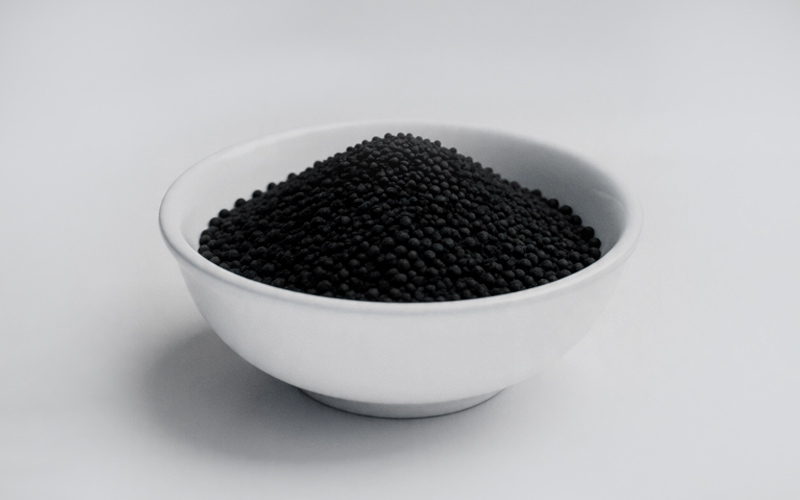
Particle size or form: Powder, granule, or flake form should match the application need.
pH value: This affects compatibility with other fertilizer materials.
Batch consistency: Stable production quality is important for B2B purchasing.
Packaging options: Export buyers may need customized packaging or private-label support.
Technical documents: Professional suppliers should provide product specifications and usage guidance.
Chunlei Agriculture provides Potassium Humate, Mineral-derived Potassium Fulvate, Raw Humic Acid Powder, and other fertilizer materials for buyers who need humic-based crop nutrition solutions.
How Potassium Humate Fertilizer Fits Into a Complete Fertilizer Program
Potassium humate fertilizer works best when it is integrated with balanced crop nutrition. It should not replace soil testing, NPK fertilizer, micronutrients, organic matter management, or proper irrigation. Instead, it helps improve the efficiency of these inputs.
A practical program may use potassium humate fertilizer before planting to improve soil conditions, during early growth to support root development, and throughout the season to improve fertilizer response.
For high-value crops, it can be combined with organic fertilizer, water-soluble fertilizer, and trace elements to support both yield and quality. For field crops, it can be used with base fertilizer to improve soil nutrient retention and long-term fertility.
The key is to match the product with the limiting factor in the field. If the main problem is poor soil structure, potassium humate fertilizer should be part of a soil conditioning plan. If the main problem is poor nutrient uptake, it should be combined with balanced fertilizer. If the main problem is stress resistance, it should be applied before or during stress-sensitive stages.
Practical Scenario: Improving Fertilizer Efficiency in Compacted Soil
Imagine a grower applying enough fertilizer every season but still seeing uneven crop growth. Some plants are short, some roots are weak, and fertilizer response is inconsistent. Soil testing shows that nutrients are present, but the soil is compacted and low in organic matter.
In this situation, simply increasing fertilizer input may not solve the problem. The crop needs a better root-zone environment.
Potassium humate fertilizer can be added to the soil program to help improve soil structure and nutrient retention. Over time, when combined with organic matter management, proper irrigation, and balanced fertilization, the soil becomes more supportive of root growth.
This is the real value of potassium humate fertilizer: it helps the soil become a better partner in crop nutrition.
Choosing a Reliable Potassium Humate Supplier
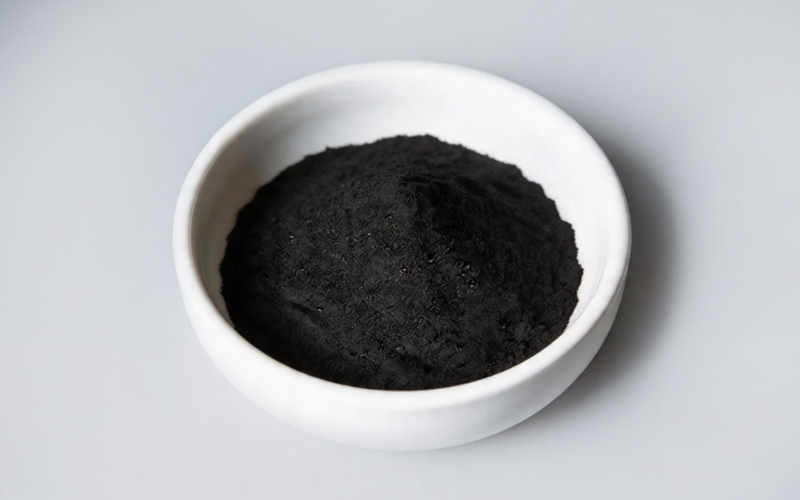
A reliable potassium humate supplier should provide more than a product name. Buyers need stable quality, export experience, specification support, and practical application guidance.
When evaluating suppliers, B2B buyers should ask:
Can the supplier provide stable humic acid and potassium specifications?
Is the product suitable for soil application, blending, or formulation?
Can the supplier support bulk orders and export packaging?
Are technical documents available?
Can the supplier recommend related products for different crop nutrition programs?
Chunlei Agriculture supports agricultural distributors, fertilizer manufacturers, and crop input buyers with humic-based fertilizer products and supply services. Buyers can contact the team through the Contact Us page to discuss product specifications, sample needs, packaging, and customized fertilizer solutions.
FAQ
What is potassium humate fertilizer used for?
Potassium humate fertilizer is used to improve soil structure, nutrient retention, root growth, and fertilizer efficiency. It is commonly used in field crops, vegetables, fruit trees, greenhouse crops, and fertilizer blending.
Is potassium humate fertilizer the same as humic acid fertilizer?
Potassium humate fertilizer is a potassium salt of humic acid. It belongs to the humic acid fertilizer category, but it also supplies potassium and has better agricultural usability than raw humic acid in many fertilizer programs.
Can potassium humate fertilizer improve root growth?
Yes. By improving the root-zone environment and supporting nutrient availability, potassium humate fertilizer can help crops develop stronger root systems as part of a complete soil and fertilizer program.
Can potassium humate fertilizer be mixed with NPK fertilizer?
In many cases, potassium humate fertilizer can be used with NPK fertilizer to improve nutrient efficiency. However, compatibility testing is recommended before large-scale blending or liquid tank mixing.
Which is better, potassium humate or potassium fulvate?
Neither is always better. Potassium humate is usually better for soil conditioning and long-term fertility improvement. Potassium fulvate is usually better for fast absorption, fertigation, and foliar feeding.
Does potassium humate fertilizer replace regular fertilizer?
No. Potassium humate fertilizer should not replace a balanced fertilizer program. It works best as a soil conditioner and fertilizer efficiency enhancer.
Conclusion
Potassium humate fertilizer is becoming more important because modern agriculture needs more than basic nutrient supply. Growers need healthier soil, stronger roots, better nutrient uptake, and more efficient fertilizer use.
By improving soil structure, supporting nutrient retention, enhancing root-zone activity, and contributing potassium nutrition, potassium humate fertilizer helps crops use fertilizers more effectively. It is especially valuable in compacted soil, low-organic-matter soil, sandy soil, saline-alkaline soil, and fields where fertilizer response is unstable.
For fertilizer distributors, importers, and agricultural formulators, potassium humate fertilizer is also a practical product category with strong market potential. It can be used as a soil conditioner fertilizer, humic acid fertilizer ingredient, fertilizer efficiency enhancer, or part of a broader sustainable agriculture product line.
Chunlei Agriculture provides Potassium Humate and related humic-based fertilizer products for global buyers. To explore product specifications, packaging options, sample support, or customized supply solutions, visit the fertilizer products catalog or send an inquiry through Contact Us.