Table of Contents
Introduction
In pond aquaculture, many production problems do not begin with the fish, shrimp, or crab themselves. They begin in the water column and at the pond bottom. Uneaten feed, organic waste, unstable algae growth, low transparency, black sediment, pH fluctuation, ammonia pressure, and oxygen stress can all weaken the farming environment before obvious animal symptoms appear.
That is why more aquaculture operators, pond-care product distributors, and agricultural input buyers are paying attention to sodium humate for aquaculture. It is not simply a dark water-color product. When used correctly, sodium humate can support pond water quality, help improve bottom conditions, reduce excessive light penetration, and create a more stable culture environment.
For buyers sourcing humic-based aquaculture inputs, Chunlei Agriculture provides Sodium Humate as part of its humic substance product range. It is especially suitable for pond systems where water shading, sediment improvement, and environmental balance are important management goals.
Why Pond Water Quality Is a Business Issue, Not Just a Technical Issue
Aquaculture water quality directly affects feeding activity, growth speed, survival rate, disease pressure, and harvest consistency. A pond may look normal from the surface, but the actual environment can change quickly due to feed input, stocking density, temperature, rainfall, plankton activity, oxygen fluctuation, and organic matter accumulation.
When water quality becomes unstable, farmers may face slower growth, weak feeding response, higher disease risk, irregular molting in shrimp, stress after weather changes, or repeated emergency treatment. For aquaculture businesses, this is not only a technical problem. It affects production planning, customer trust, and input cost control.
The FAO pond water quality guide explains that turbidity, suspended particles, and pond-water balance all influence fish pond management. In practical pond farming, this means water transparency, organic load, algae condition, and bottom sediment should be managed together rather than separately.
Sodium humate for aquaculture fits this pond-environment approach because it helps farmers manage water color, sediment condition, and environmental buffering before pond deterioration becomes serious.
What Is Sodium Humate?
Sodium humate is a sodium salt of humic acid, usually derived from naturally humified mineral materials. It belongs to the wider family of humic substances, which are formed through the long-term decomposition and transformation of organic materials. The article on humic substances explains that humic substances include humic acid, fulvic acid, and humin, and they are important components of natural organic matter.
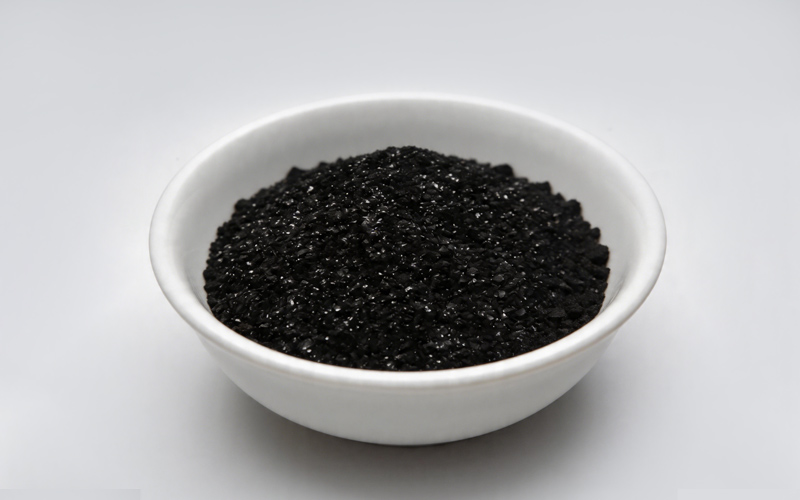
In agriculture and aquaculture, sodium humate is valued for its dark color, adsorption ability, organic functional groups, and environmental conditioning properties. In pond systems, it is often used to help improve water color, reduce excessive sunlight penetration, support sediment balance, and adsorb certain organic or suspended substances in the water environment.
For aquaculture buyers, the key point is simple: sodium humate should be understood as a pond environment conditioner. It is not a medicine, and it should not replace oxygen management, disease diagnosis, water testing, or proper feeding control.
How Sodium Humate for Aquaculture Works in Pond Systems
Sodium humate supports aquaculture pond care through several connected mechanisms. Its value comes from improving pond stability rather than solving only one isolated problem.
Water Shading and Light Management
Sodium humate has a dark brown to black appearance. When applied to pond water, it can help adjust water color and reduce excessive light penetration. This is useful in ponds where strong sunlight contributes to unstable algae growth or large day-night water-quality fluctuations.
Better light control may help reduce sudden plankton changes. In many pond systems, extremely clear water is not always ideal because sunlight can reach deeper layers and stimulate bottom algae or unstable biological activity. A properly managed water color helps protect the pond environment from sharp changes.
Pond Bottom Conditioning
Organic waste and feed residue often settle at the pond bottom. Over time, this material can create black sediment, odor, oxygen demand, and poor bottom conditions. Sodium humate can help improve the bottom environment by supporting adsorption and organic matter management.
It should not replace bottom cleaning, aeration, or responsible feed management. However, it can be part of a broader pond-bottom care program, especially during mid-to-late culture stages when feed input increases and sediment pressure becomes heavier.
Adsorption and Environmental Buffering
Humic substances contain active functional groups that can interact with various dissolved and suspended substances. In aquaculture, this property is useful for supporting water purification and reducing environmental pressure caused by organic load.
This does not mean sodium humate can remove every harmful substance or replace water-quality testing. It should be used alongside regular monitoring of dissolved oxygen, pH, ammonia, nitrite, alkalinity, transparency, and bottom odor.
Support for a More Stable Culture Environment
Aquatic animals are sensitive to sudden changes. Stable water color, better bottom condition, and lower environmental fluctuation can help create a more comfortable pond environment. Sodium humate can support this stability when combined with good pond management practices such as aeration, feed control, and regular observation.
Main Benefits of Sodium Humate for Aquaculture
| Pond Challenge | What Farmers May Observe | How Sodium Humate Can Help | Management Goal |
|---|---|---|---|
| Excessive water transparency | Strong sunlight reaches deeper pond layers | Helps deepen water color and reduce light penetration | More stable water environment |
| Unstable algae condition | Water color changes quickly after weather shifts | Supports water shading and plankton balance | Reduce sudden fluctuation |
| Poor bottom condition | Black sediment, odor, organic buildup | Supports pond bottom conditioning | Better sediment environment |
| High organic load | Uneaten feed and waste accumulate | Helps adsorb certain organic substances | Lower environmental pressure |
| Stress after weather changes | Fish or shrimp feed poorly after rain or heat | Supports environmental buffering | Improve pond stability |
| Preventive pond care demand | Problems appear repeatedly during the culture cycle | Works as part of regular pond management | Reduce emergency correction |
Sodium Humate vs. Potassium Humate vs. Potassium Fulvate
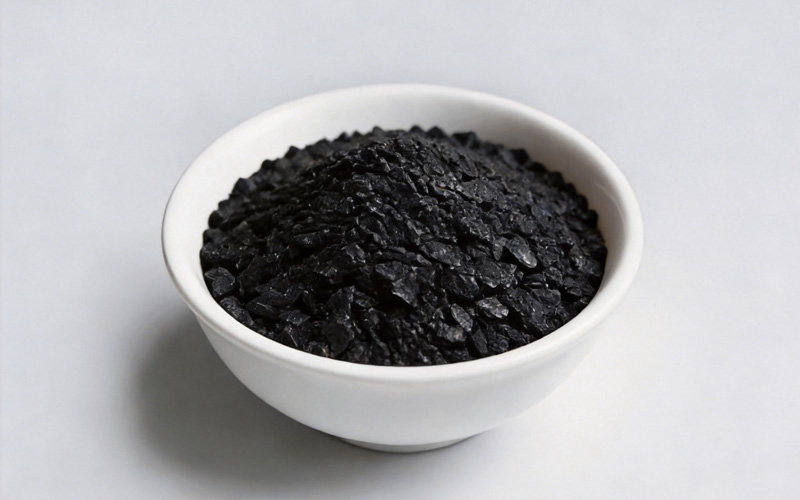
Buyers often compare sodium humate with potassium humate and potassium fulvate because all three are humic-based products. However, their best-use scenarios are different.
Sodium Humate is more commonly used for aquaculture pond conditioning, water shading, sediment improvement, and environmental buffering.
Potassium Humate is more suitable for soil conditioning, improving soil structure, supporting nutrient retention, and enhancing crop root-zone fertility.
Mineral-derived Potassium Fulvate is usually more suitable for fast nutrient absorption, fertigation, foliar spraying, and crop nutrient-efficiency programs.
A practical comparison:
| Product | Main Application Direction | Typical User |
| Sodium Humate | Aquaculture water and pond-bottom conditioning | Fish pond and shrimp pond operators |
| Potassium Humate | Soil improvement and fertilizer efficiency | Crop growers and fertilizer formulators |
| Potassium Fulvate | Fast nutrient uptake and crop stress support | Fertigation, foliar, and specialty fertilizer users |
| Raw Humic Acid Powder | Fertilizer raw material and organic matter input | Fertilizer manufacturers |
For buyers who need multiple humic-based inputs, Chunlei Agriculture’s fertilizer products catalog provides related product options for both crop agriculture and aquaculture applications.
Best Aquaculture Applications for Sodium Humate
Sodium humate for aquaculture is suitable for different pond systems where water color, sediment condition, and environmental stability matter.
Fish Ponds
In fish ponds, sodium humate can help improve water color, support bottom conditioning, and reduce sudden environmental changes. This is useful in ponds with high feeding levels or where water quality changes quickly after temperature shifts, rainfall, or strong sunlight.
Fish ponds often experience organic load accumulation during the middle and late farming stages. When feeding increases, the pond bottom becomes more important. Sodium humate can be used as a supportive tool to help manage pond condition before stress becomes visible.
Shrimp Ponds
Shrimp are highly sensitive to bottom conditions because they spend much of their time near the sediment-water interface. Poor bottom conditions can affect feeding, molting, growth, and overall pond stability.
Sodium humate can be used as part of a shrimp pond management program to support sediment balance and reduce environmental pressure. It is especially useful after rainfall, during hot weather, or when pond transparency changes quickly.
Crab and Freshwater Aquaculture Systems
In freshwater crab and mixed-culture systems, pond stability is important for feeding, molting, and survival. Sodium humate can help maintain a more balanced pond environment when combined with aeration, water exchange, and proper feed control.
Nursery Ponds
Nursery ponds require especially careful environmental control because young aquatic animals are more sensitive to stress. Sodium humate can help adjust water color and reduce sharp changes in pond conditions, making it useful in preventive pond-care programs.
When Should Sodium Humate Be Used?
Sodium humate works best when used preventively or during early signs of pond imbalance. It is usually more effective as part of routine pond care than as a last-minute emergency solution.
Common use scenarios include:
Before stocking, to help prepare pond water and bottom conditions.
During early culture, to stabilize water color and reduce excessive transparency.
After heavy rain, when pond water changes quickly.
During strong sunlight periods, when algae fluctuation becomes more likely.
When pond bottom sediment begins to darken or accumulate organic matter.
During mid-to-late culture, when feed input and organic load increase.
The best timing depends on pond type, stocking density, water condition, and local aquaculture practice. Sodium humate should always be used together with water-quality monitoring and good pond management.
Important Water Parameters to Monitor Alongside Sodium Humate
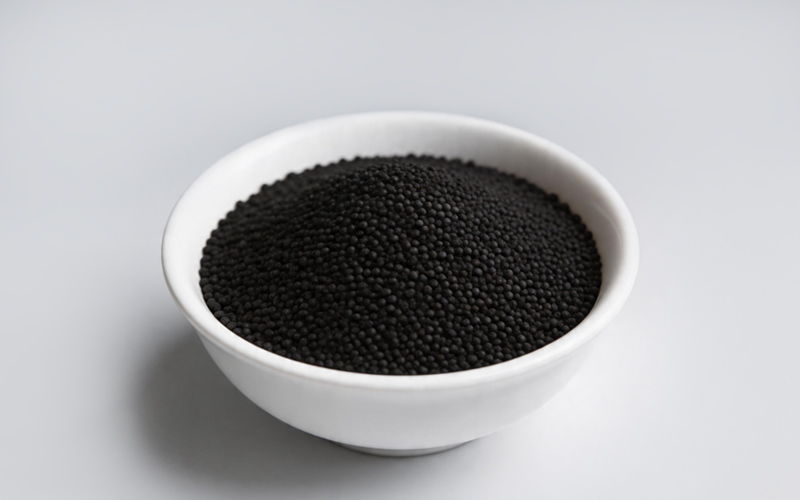
Sodium humate can support pond management, but it should not replace testing. Farmers should still monitor key water-quality parameters to understand what is happening in the pond.
| Parameter | Why It Matters | Practical Management Focus |
| Dissolved oxygen | Low oxygen can quickly stress aquatic animals | Use aeration and avoid overfeeding |
| pH | Sudden pH swings affect animal health and ammonia toxicity | Track morning and afternoon values |
| Ammonia | High ammonia increases stress and health risk | Manage feed, water exchange, and biological balance |
| Nitrite | Nitrite can affect oxygen transport in aquatic animals | Maintain water quality and microbial stability |
| Transparency | Too clear or too dark water may indicate imbalance | Adjust shading and plankton management |
| Bottom odor | Odor suggests organic buildup or anaerobic conditions | Improve bottom care and aeration |
| Alkalinity | Affects pH buffering and pond productivity | Maintain stable pond chemistry |
The EPA nutrient pollution resource explains how excess nutrients from agricultural systems can contribute to algae-related water problems. For aquaculture ponds, the practical lesson is that feed input, organic waste, and nutrient accumulation must be managed carefully to avoid water-quality deterioration.
How Sodium Humate Fits Into a Complete Pond Management Program
Sodium humate should be treated as one part of a complete pond management plan. It works best when farmers also manage feed, oxygen, water exchange, microbial balance, and pond-bottom cleaning.
A practical pond-care program may include regular water testing, reasonable stocking density, controlled feeding based on animal response, aeration during high-risk periods, bottom improvement before organic matter becomes excessive, and water-color management during strong sunlight or weather changes.
This combined approach is important because pond problems rarely come from only one cause. Poor bottom conditions may lead to low oxygen. Low oxygen may increase stress. Stress may reduce feeding. Uneaten feed then increases organic load. Sodium humate can help support the pond environment, but good management must break the entire problem cycle.
How B2B Buyers Should Evaluate Sodium Humate Quality
For aquaculture distributors, importers, and input formulators, sodium humate quality should be evaluated carefully. A product that looks dark is not automatically high quality. Buyers should check practical performance, consistency, and supplier support.
Important evaluation points include:
Humic acid content: Higher and stable active content supports product value.
Water solubility or dispersibility: This affects application convenience in pond systems.
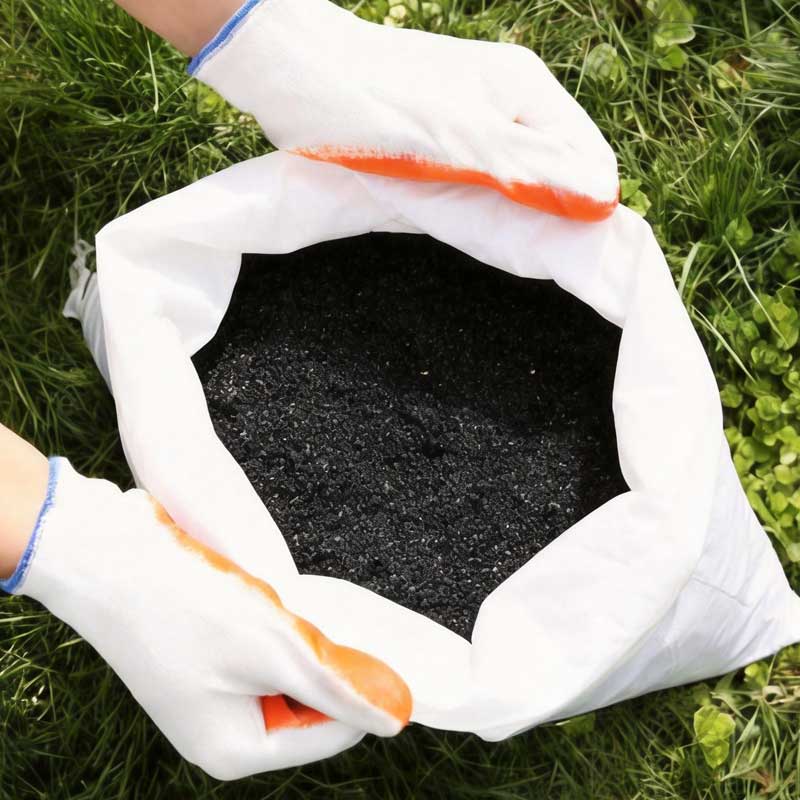
Appearance: Uniform dark powder, granule, or flake form helps product handling.
Moisture control: Stable moisture improves storage and transportation.
Impurity control: Low impurity content helps product consistency.
pH value: Product pH should be understood before formulation or pond application.
Batch stability: B2B buyers need consistent quality across shipments.
Packaging options: Export buyers may need bulk packaging, small bags, or customized labels.
Technical documents: A reliable supplier should provide product specifications and application guidance.
Chunlei Agriculture supplies Sodium Humate for buyers who need humic-based aquaculture pond-conditioning materials. Buyers can also review related humic products in the Potassium Fulvate Series for broader crop and soil applications.
Common Mistakes When Using Sodium Humate in Aquaculture
Sodium humate can be useful, but incorrect expectations often reduce its value. The most common mistake is expecting it to solve serious pond problems without correcting the root cause.
Using It Only After Serious Water Deterioration
Sodium humate is more suitable for preventive and supportive pond management. If dissolved oxygen is already dangerously low or ammonia is extremely high, emergency actions such as aeration, water exchange, and technical intervention may be necessary.
Ignoring Feed Management
Overfeeding is one of the main causes of organic buildup. Sodium humate can support bottom conditioning, but it cannot cancel the effects of continuous feed waste.
Not Testing Water
Water color alone is not enough to judge pond condition. Farmers should monitor dissolved oxygen, pH, ammonia, nitrite, transparency, and bottom odor.
Mixing Without Compatibility Checks
When sodium humate is used with other aquaculture inputs, compatibility should be checked first. Different pond products may react differently depending on water chemistry and application timing.
Treating Sodium Humate as Medicine
Sodium humate is a pond conditioner, not a disease treatment. It supports the culture environment but should not be promoted as a substitute for veterinary or technical disease-control measures.
Practical Scenario: Managing a Shrimp Pond After Heavy Rain
After heavy rain, shrimp ponds often face sudden changes in water temperature, salinity, pH, and water transparency. The pond bottom may also become disturbed, and organic matter can shift into the water column. Shrimp may reduce feeding, stay near the edge, or show stress behavior.
In this scenario, sodium humate can be used as part of a pond-stabilization program. Its dark color helps adjust water transparency, while humic substances support environmental buffering and bottom-condition management.
However, sodium humate should not be used alone. Farmers should first check dissolved oxygen and pH, increase aeration when needed, reduce feeding if animals are not eating well, and observe bottom odor or water color changes. Sodium humate then becomes a supportive tool that helps restore pond stability rather than a standalone emergency solution.
Why Sodium Humate Has Strong Market Potential for Aquaculture Input Distributors
Aquaculture farmers are becoming more aware that water quality and bottom condition directly affect production results. This creates demand for pond-care products that are practical, easy to apply, and suitable for routine management.
Sodium humate has market potential because it addresses several common farmer concerns: water color management, bottom sediment improvement, organic matter pressure, weather-related pond stress, and preventive pond care.
For distributors, sodium humate can be positioned as a functional pond conditioner rather than a simple raw material. This makes technical explanation, product quality, packaging, and application guidance especially important.
Chunlei Agriculture supports B2B buyers with humic-based products, product information, and export supply services. Buyers looking for sodium humate specifications, sample support, packaging options, or related product recommendations can contact the team through Contact Us.
FAQ
What is sodium humate for aquaculture used for?
Sodium humate for aquaculture is used to support pond water quality, improve water color, reduce excessive light penetration, condition pond bottom sediment, and help create a more stable farming environment.
Is sodium humate suitable for shrimp ponds?
Yes. Sodium humate can be used in shrimp pond management, especially where bottom condition, water transparency, and environmental fluctuation are important concerns. It should be combined with aeration, feeding control, and water testing.
Can sodium humate remove ammonia from pond water?
Sodium humate may support adsorption and environmental buffering, but it should not be treated as a complete ammonia-removal solution. Farmers should still control feed input, improve aeration, monitor water quality, and manage pond biology.
Is sodium humate the same as potassium humate?
No. Sodium humate is commonly used in aquaculture pond conditioning, while potassium humate is more often used for soil improvement and crop fertilizer efficiency. Their application goals are different.
Can sodium humate replace pond aeration?
No. Sodium humate cannot replace aeration. Dissolved oxygen is critical in aquaculture, and aeration should be managed according to stocking density, weather, feeding level, and water-quality test results.
How should buyers choose a sodium humate supplier?
Buyers should check humic acid content, solubility or dispersibility, moisture, impurity control, pH, batch consistency, packaging options, technical documents, and export service capability.
Conclusion
Sodium humate for aquaculture is valuable because it helps farmers manage the pond environment before serious water-quality problems appear. By supporting water shading, pond-bottom conditioning, organic matter management, and environmental buffering, sodium humate can become an important part of modern pond-care programs.
It should not be treated as medicine, a replacement for aeration, or a substitute for water testing. Its best value comes when it is used together with good aquaculture practices, including feed control, oxygen management, sediment observation, and regular water-quality monitoring.
For aquaculture input distributors, importers, and pond-care product formulators, sodium humate is a practical product category with clear application value. Chunlei Agriculture provides Sodium Humate and related humic-based products for global buyers. To discuss specifications, samples, packaging, or customized supply needs, visit the fertilizer products catalog or send an inquiry through Contact Us.