
Table of Contents
Introduction
Modern crop production is no longer only about adding more nutrients. Many growers already apply nitrogen, phosphorus, potassium, and trace elements, yet they still face weak roots, poor soil structure, nutrient loss, low fertilizer efficiency, and unstable crop performance after drought, rain, or temperature stress.
This is why bio organic fertilizer for crops is becoming an important part of modern soil management. Instead of focusing only on nutrient supply, bio organic fertilizer supports the living system around plant roots. It helps improve soil organic matter, microbial activity, nutrient cycling, root-zone conditions, and long-term soil fertility.
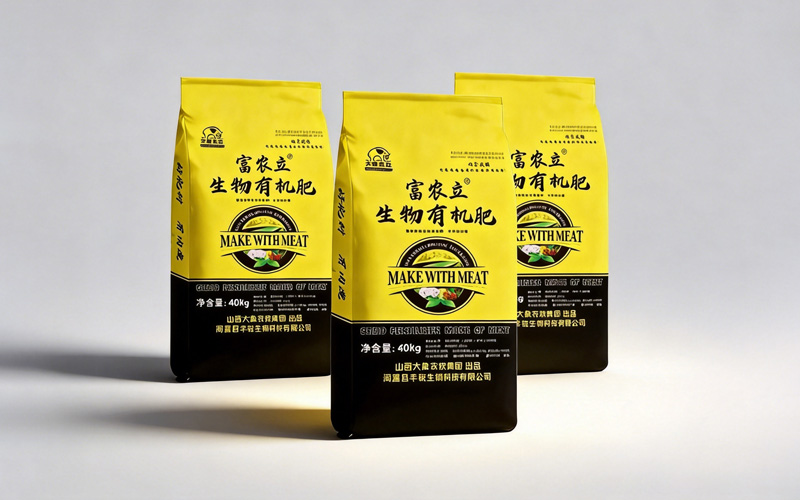
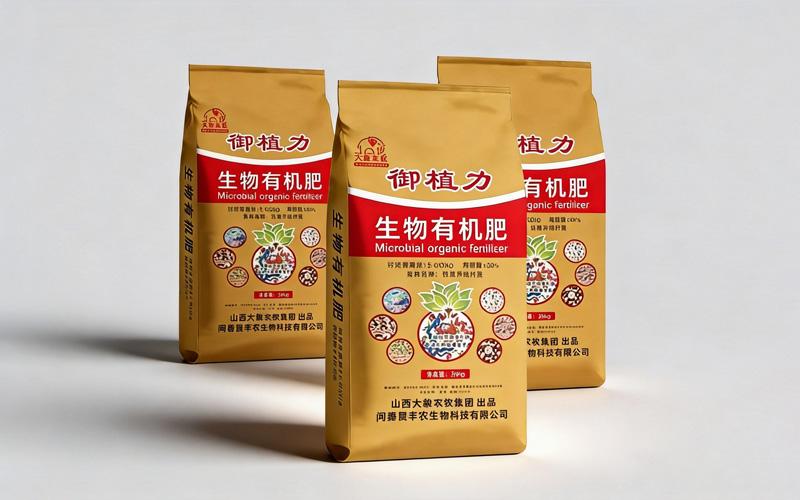
For fertilizer distributors, agricultural input suppliers, and professional growers, bio organic fertilizer is not just a “green” product category. It is a practical tool for improving fertilizer efficiency, soil resilience, and crop consistency. Chunlei Agriculture provides products such as Funongli Bio-Organic Fertilizer and Yuzhili Bio-Organic Fertilizer for buyers who need soil-focused fertilizer solutions.
Why Bio Organic Fertilizer Matters More Than Ever
Many farming systems are under pressure from continuous cropping, declining organic matter, soil compaction, salinity, nutrient imbalance, and reduced microbial diversity. These problems often reduce the soil’s ability to support roots and hold nutrients, even when fertilizer is applied regularly.
Soil is not only a physical growing medium. It is a living system. Organic matter, microorganisms, roots, water, air, minerals, and nutrients all interact in the rhizosphere. When this system becomes weak, crops become more dependent on frequent fertilizer correction.
The USDA Natural Resources Conservation Service explains that soil organic matter supports nutrient storage, water retention, soil structure, and biological activity. The FAO soil biodiversity resource also highlights the importance of soil organisms in maintaining soil functions and ecosystem productivity.
Bio organic fertilizer for crops fits this direction because it helps rebuild a more active soil environment. It supports crop nutrition from the bottom up, beginning with soil biology and root-zone improvement.
What Is Bio Organic Fertilizer for Crops?
Bio organic fertilizer is a fertilizer product made from organic materials and beneficial microorganisms or biologically active components. Its purpose is not only to provide nutrients, but also to improve soil biological activity and nutrient transformation.
A good bio organic fertilizer may support:
Better soil microbial activity.
Improved organic matter decomposition.
More efficient nutrient cycling.
Stronger root-zone conditions.
Better soil structure and aeration.
Improved crop resistance to environmental stress.
Unlike simple chemical fertilizers, bio organic fertilizer works gradually by improving the growing environment. Unlike raw organic materials, well-formulated bio organic fertilizer is designed for more practical agricultural application, with controlled production, easier handling, and more consistent field performance.
For buyers sourcing fertilizer materials or finished soil-health products, Chunlei Agriculture’s fertilizer products catalog includes humic-based products, potassium humate, potassium fulvate, sodium humate, and bio-organic fertilizer options for different crop and soil needs.
How Bio Organic Fertilizer Works in the Root Zone
The most important area for bio organic fertilizer is the root zone. This is where roots absorb nutrients and water, where microorganisms transform organic materials, and where soil structure directly affects crop performance.
Supporting microbial activity
Beneficial microorganisms help break down organic materials and support nutrient transformation. When microbial activity is strong, soil becomes more biologically active and better able to supply nutrients in forms crops can use.
Improving nutrient cycling
Many nutrients in soil are not immediately available to plants. Bio organic fertilizer helps support natural nutrient cycling, allowing nutrients to move through organic and mineral forms more effectively.
Enhancing root development
A healthier root-zone environment allows roots to expand more easily. Strong roots increase the crop’s ability to absorb water and nutrients, especially during fast growth stages.
Improving soil structure
Organic materials and microbial activity can support soil aggregation. Better aggregation improves aeration, water infiltration, and root penetration.
Increasing crop resilience
Crops growing in biologically active soil are often better positioned to handle stress from drought, salinity, temperature fluctuation, and nutrient imbalance.
Key Benefits of Bio Organic Fertilizer for Crops
| Grower Challenge | Common Field Symptoms | How Bio Organic Fertilizer Helps | Long-Term Goal |
|---|---|---|---|
| Low soil organic matter | Poor water retention, weak soil structure | Adds organic input and supports biological activity | Healthier soil foundation |
| Weak root development | Slow growth, poor transplant recovery | Improves root-zone conditions | Stronger root system |
| Low fertilizer efficiency | Nutrient loss, poor crop response | Supports nutrient cycling and retention | Better fertilizer use |
| Continuous cropping stress | Soil fatigue, disease pressure, uneven growth | Improves soil biological balance | More stable crop production |
| Soil compaction | Poor aeration, limited root expansion | Supports soil aggregation and looseness | Better root penetration |
| Poor crop resilience | Sensitive response to drought, rain, or heat | Supports soil water and nutrient balance | Stronger stress tolerance |
Best Crop Applications for Bio Organic Fertilizer
Bio organic fertilizer for crops can be used in many agricultural systems because soil biology affects almost every crop category.
Vegetables
Vegetables grow quickly and often require high nutrient availability. Bio organic fertilizer can support transplant recovery, root growth, soil looseness, and nutrient cycling. It is especially useful in greenhouse vegetable production, continuous cropping fields, and vegetable bases where soil fatigue is common.
Fruit Trees
Fruit trees depend on long-term soil health. Since tree roots remain in the same soil year after year, poor soil structure and low organic matter can gradually reduce productivity. Bio organic fertilizer can help improve orchard soil, support root activity, and improve nutrient-use efficiency.
Field Crops
For maize, wheat, rice, soybean, and other field crops, bio organic fertilizer can support better soil structure, root development, and nutrient retention. It is commonly used as part of base fertilizer or soil improvement programs.
Cash Crops
For tobacco, cotton, tea, herbs, flowers, and oil crops, stable soil biology is important for quality and consistency. Bio organic fertilizer can support balanced growth and improve soil conditions in high-value crop systems.
Greenhouse Crops
Greenhouse soils often face salt accumulation, continuous cropping stress, and microbial imbalance. Bio organic fertilizer can be useful in greenhouse systems when combined with proper irrigation, soil testing, and balanced fertilization.
Bio Organic Fertilizer vs. Chemical Fertilizer
Bio organic fertilizer and chemical fertilizer are not enemies. In many professional farming systems, the best result comes from combining both correctly.
Chemical fertilizer supplies specific nutrients quickly. It is useful when crops need nitrogen, phosphorus, potassium, or trace elements at certain growth stages.
Bio organic fertilizer improves the soil environment and supports nutrient cycling. It helps the soil become better at holding, transforming, and supplying nutrients.
A practical comparison:
| Fertilizer Type | Main Function | Strength | Limitation |
| Chemical Fertilizer | Direct nutrient supply | Fast nutrient correction | May not improve soil structure alone |
| Bio Organic Fertilizer | Soil biology and organic matter support | Improves long-term soil function | Usually works gradually |
| Humic Acid Fertilizer | Soil conditioning and nutrient efficiency | Improves nutrient retention and root-zone activity | Should be matched with crop needs |
| Complete Fertilizer Program | Balanced nutrition and soil improvement | Supports yield, quality, and resilience | Requires planning and correct application |
For soil improvement programs, bio organic fertilizer can also work well with humic-based products such as Potassium Humate and Raw Humic Acid Powder.
Bio Organic Fertilizer vs. Compost
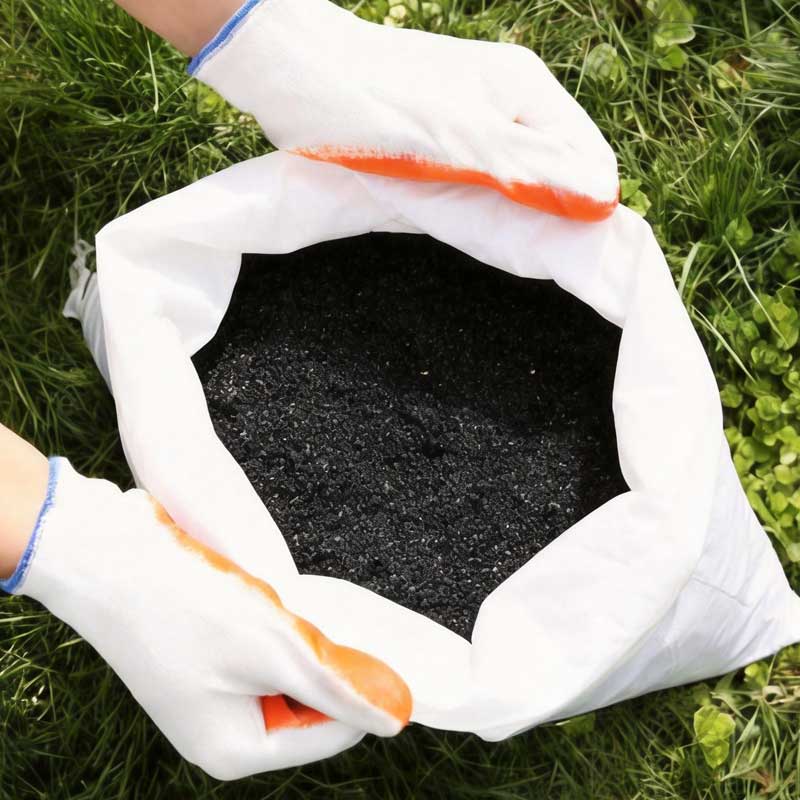
Many buyers also compare bio organic fertilizer with compost. Compost is an organic material produced through controlled decomposition. The compost resource on Wikipedia describes compost as decomposed organic matter used to improve soil and support plant growth.
Bio organic fertilizer may include composted organic materials, but it is usually more specialized. It is designed with agricultural application goals such as microbial activity, nutrient cycling, soil improvement, and crop growth support.
Compost is often used as a bulk organic amendment.
Bio organic fertilizer is usually more targeted and easier to position as a commercial crop input.
For B2B fertilizer buyers, this difference matters. A distributor may sell bio organic fertilizer as a soil health product, a microbial organic fertilizer, or a crop resilience solution rather than only as a general organic material.
How to Apply Bio Organic Fertilizer for Better Results
The correct application method depends on crop type, soil condition, growing system, and local agronomic practice. Bio organic fertilizer works best when used consistently, not only after serious soil problems appear.
Base Application
Bio organic fertilizer can be applied before planting or during soil preparation. This helps improve the root-zone environment from the beginning of the crop cycle.
Root-Zone Application
For vegetables, fruit trees, and high-value crops, applying bio organic fertilizer near the root zone can improve product efficiency. This method supports root development and nutrient transformation around active roots.
Combined Use with NPK Fertilizer
Bio organic fertilizer can be used together with NPK fertilizer. The goal is to combine direct nutrient supply with soil biological improvement. This approach is especially useful when growers want both short-term crop response and long-term soil improvement.
Orchard Soil Improvement
For fruit trees, bio organic fertilizer can be applied around the root distribution area. Over time, it can support soil looseness, root activity, and nutrient cycling.
Greenhouse Soil Management
In greenhouse systems, bio organic fertilizer should be combined with irrigation management, salt control, and soil testing. This helps avoid nutrient imbalance while improving soil biology.
When Should Growers Use Bio Organic Fertilizer?
Bio organic fertilizer is most useful when the soil is already showing signs of weakness or when growers want to prevent long-term decline.
Common application scenarios include:
Continuous cropping fields with declining yield stability.
Greenhouse soils with poor structure or salt stress.
Orchards with weak root activity or compacted soil.
Vegetable fields with poor transplant recovery.
Fields with low organic matter and poor water retention.
Farms looking to reduce fertilizer waste and improve nutrient efficiency.
High-value crops requiring stable quality and stronger resilience.
The best results usually come from planned use across multiple crop cycles. Bio organic fertilizer improves the soil system gradually, so consistent application is more valuable than one-time emergency use.
How B2B Buyers Should Evaluate Bio Organic Fertilizer Quality
For distributors, importers, and agricultural input companies, choosing a bio organic fertilizer supplier requires more than checking product appearance. Quality consistency, technical support, and application positioning are important for market success.
Important evaluation points include:
Organic matter content: This affects soil improvement value.
Microbial activity or biological function: This supports product positioning.
Moisture control: Stable moisture helps storage and transport.
Particle form: Granule, powder, or other forms should match application needs.
Odor and maturity: Well-processed materials are easier to handle and promote.
Nutrient content: Buyers should understand the product’s nutrient contribution.
Batch consistency: Stable quality is important for repeat orders.
Packaging options: B2B buyers may need private label, bulk packaging, or customized bags.
Technical documents: Reliable suppliers should provide specifications and usage guidance.
Chunlei Agriculture provides Funongli Bio-Organic Fertilizer and Yuzhili Bio-Organic Fertilizer for buyers who need soil-health fertilizer products for agricultural markets.
Common Mistakes When Using Bio Organic Fertilizer
Bio organic fertilizer can deliver strong value, but only when used with the right expectations.
Expecting immediate results like chemical fertilizer
Bio organic fertilizer improves the soil environment gradually. It may not show the same fast visual response as nitrogen fertilizer. Its value is often seen in stronger roots, better soil structure, and more stable crop performance over time.
Using it without soil testing
Soil testing helps growers understand pH, salinity, organic matter, nutrient levels, and limiting factors. Bio organic fertilizer works better when matched with real soil conditions.
Applying too late
If soil has already become severely compacted, saline, or biologically weak, improvement takes time. Preventive use is often more effective than late correction.
Ignoring irrigation and aeration
Soil biology needs moisture and oxygen. Poor irrigation or waterlogging can reduce the effectiveness of bio organic fertilizer.
Replacing all fertilizer inputs
Bio organic fertilizer should not automatically replace complete crop nutrition. It works best as part of an integrated fertilizer program.
Practical Scenario: Restoring Soil Vitality in a Vegetable Field
A vegetable grower has been planting the same crop in the same field for several seasons. At first, fertilizer response was strong, but now the plants recover slowly after transplanting. Leaves are uneven, roots are shallow, and crop growth becomes unstable after rain or heat.
The grower increases chemical fertilizer, but the improvement is limited. The real problem is not only nutrient supply. The soil structure is poor, organic matter is low, and root-zone biology is weak.
In this situation, bio organic fertilizer can be introduced before planting and around the root zone. Over time, it supports soil biological activity, improves nutrient cycling, and helps roots develop in a better environment. When combined with balanced fertilization, irrigation management, and humic-based soil conditioners, the field can gradually become more productive and resilient.
This is the practical value of bio organic fertilizer for crops: it helps rebuild the soil system that supports long-term crop performance.
Why Bio Organic Fertilizer Has Strong Market Potential
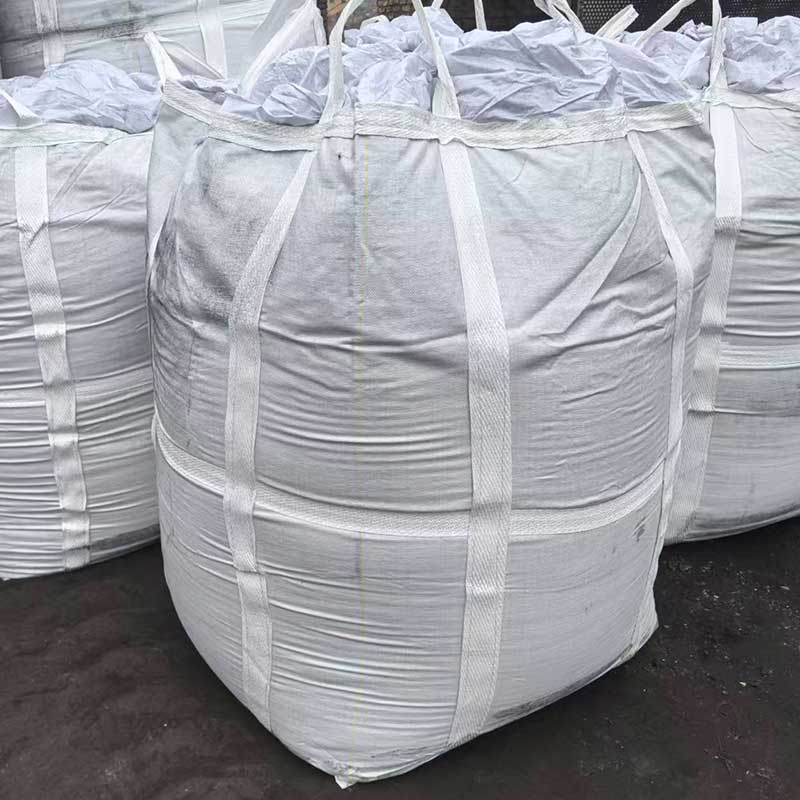
The market demand for bio organic fertilizer is growing because growers are looking for better soil health, higher fertilizer efficiency, and more sustainable production methods. Many buyers are no longer satisfied with products that only provide nutrients. They want fertilizers that help solve deeper field problems.
For distributors, bio organic fertilizer can be positioned around several high-value selling points:
Soil health improvement.
Root-zone activation.
Fertilizer efficiency enhancement.
Continuous cropping management.
Crop stress resilience.
Organic matter improvement.
Long-term agricultural sustainability.
For fertilizer manufacturers and importers, bio organic fertilizer also fits well into broader product lines that include humic acid fertilizer, potassium humate, potassium fulvate, and specialty soil conditioners.
Chunlei Agriculture supports buyers with bio-organic fertilizer products, humic-based fertilizer materials, and export supply services. Buyers can review the full fertilizer products catalog or use the Contact Us page to discuss product specifications, packaging, samples, and customized supply needs.
FAQ
What is bio organic fertilizer for crops used for?
Bio organic fertilizer for crops is used to improve soil organic matter, microbial activity, nutrient cycling, root development, and long-term soil fertility. It supports healthier crop growth by improving the root-zone environment.
Is bio organic fertilizer better than chemical fertilizer?
It depends on the goal. Chemical fertilizer supplies nutrients quickly, while bio organic fertilizer improves soil biology and long-term fertility. In many crop systems, they work best when used together.
Can bio organic fertilizer improve root growth?
Yes. By improving soil structure, microbial activity, and nutrient cycling, bio organic fertilizer can support stronger root development and better nutrient absorption.
Which crops can use bio organic fertilizer?
Bio organic fertilizer can be used for vegetables, fruit trees, field crops, greenhouse crops, cash crops, flowers, tea, tobacco, and many other agricultural crops.
Can bio organic fertilizer reduce fertilizer waste?
Bio organic fertilizer may help improve fertilizer efficiency by supporting nutrient retention and cycling. However, it should be combined with balanced fertilization, soil testing, and proper irrigation.
How should buyers choose a bio organic fertilizer supplier?
Buyers should check organic matter content, biological function, nutrient content, moisture, maturity, particle form, batch consistency, packaging options, technical documents, and export service capability.
Conclusion
Bio organic fertilizer for crops is becoming more important because modern agriculture needs more than direct nutrient supply. Growers need healthier soil, stronger roots, better microbial activity, improved nutrient cycling, and more stable crop performance under stress.
By supporting soil biology and root-zone improvement, bio organic fertilizer helps create a stronger foundation for long-term crop productivity. It is especially valuable in continuous cropping fields, greenhouse soils, orchards, vegetable production, and farms where soil fertility is declining.
For B2B fertilizer buyers, bio organic fertilizer is also a strong product category with clear market demand. It can be used as a soil health product, microbial organic fertilizer, organic fertilizer for soil improvement, or part of a complete sustainable agriculture solution.
Chunlei Agriculture provides Funongli Bio-Organic Fertilizer, Yuzhili Bio-Organic Fertilizer, and related humic-based fertilizer products for global agricultural markets. To discuss specifications, packaging, samples, or customized fertilizer supply, visit the fertilizer products catalog or send an inquiry through Contact Us.