

Table of Contents
Table of Contents
- Why Greenhouse Soil Loses Balance
- What Bio Organic Fertilizer Does in the Root Zone
- Key Product Indicators Buyers Should Check
- How to Use It for Continuous Cropping Problems
- Crop-Specific Notes for Greenhouse Buyers
- How It Fits into a Sustainable Soil Strategy
- Choosing Between Standard and Higher-Spec Products
- Common Mistakes to Avoid
- A Practical Purchasing Checklist
Greenhouse vegetable production can be highly productive, but it also puts unusual pressure on soil. Tomato, cucumber, pepper, eggplant, leafy greens, and melon crops are often planted season after season in the same protected environment. Over time, growers may see weak roots, uneven seedlings, slower nutrient uptake, compacted beds, salt accumulation, and a higher risk of soil-borne disease. A well-selected bio organic fertilizer can help address these problems by rebuilding the biological and organic foundation of the soil instead of only adding soluble nutrients.
This guide explains when bio organic fertilizer is useful in greenhouse soil, what specifications matter, how to apply it, and how buyers can compare products for practical field use. It also shows how bio organic fertilizer fits into a complete greenhouse soil program rather than a one-time correction.

Why Greenhouse Soil Loses Balance
In open-field farming, rain, crop rotation, and wider root zones can help dilute some soil problems. Greenhouses are different. Irrigation is controlled, fertilizer inputs are frequent, and the same crop families may return to the same beds quickly. This can create a narrow root environment where salts, undecomposed residues, and pathogen pressure build up faster than expected.
Common warning signs include poor transplant recovery, shorter root systems, yellowing leaves even when fertilizer is applied, root browning, uneven fruit size, and reduced response to top dressing. These symptoms do not always mean the grower needs more chemical fertilizer. In many cases, the soil needs better structure, more stable organic matter, and active beneficial microorganisms.
That is where bio organic fertilizer becomes valuable. In practical greenhouse management, bio organic fertilizer is most useful when it is treated as part of the soil foundation. Unlike a simple organic amendment, it combines organic matter with selected beneficial microbes. The goal is to support root-zone biology, improve soil physical condition, and make nutrients easier for crops to use over a longer period.
What Bio Organic Fertilizer Does in the Root Zone
A quality bio organic fertilizer works through several connected pathways. The best results usually come when bio organic fertilizer is placed close enough to the active root zone. First, organic matter helps loosen compacted soil and supports the formation of better aggregates. Better aggregation improves aeration and water movement, which is especially important in greenhouse beds that are irrigated often.
Second, beneficial bacteria can colonize the rhizosphere, the narrow zone around plant roots. Microorganisms such as Bacillus subtilis and Bacillus amyloliquefaciens are widely studied because they can support root activity and compete with certain harmful organisms in the soil environment. For background on these organisms, readers can review the general references on Bacillus subtilis and Bacillus amyloliquefaciens.
Third, a balanced organic base can release nutrition gradually. This matters in protected cultivation because fast nutrient release may push vegetative growth too hard or raise salinity. A properly applied bio organic fertilizer is not a replacement for the full fertilization program, but it can improve the soil conditions that make the rest of the program work better.
Key Product Indicators Buyers Should Check
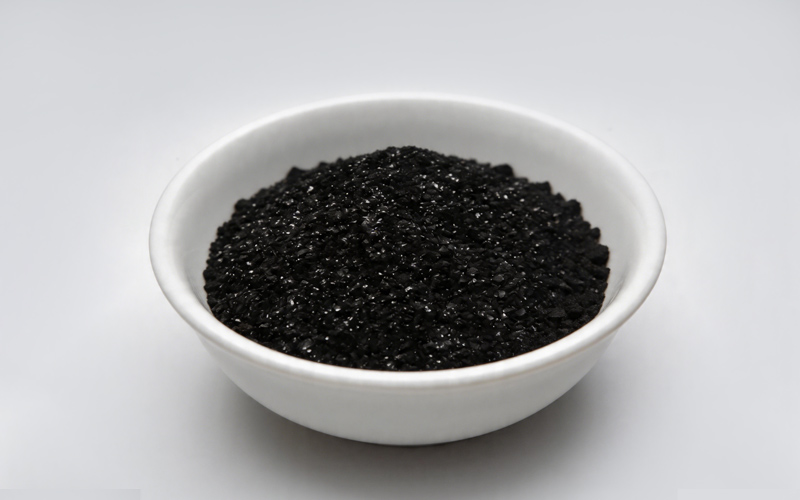
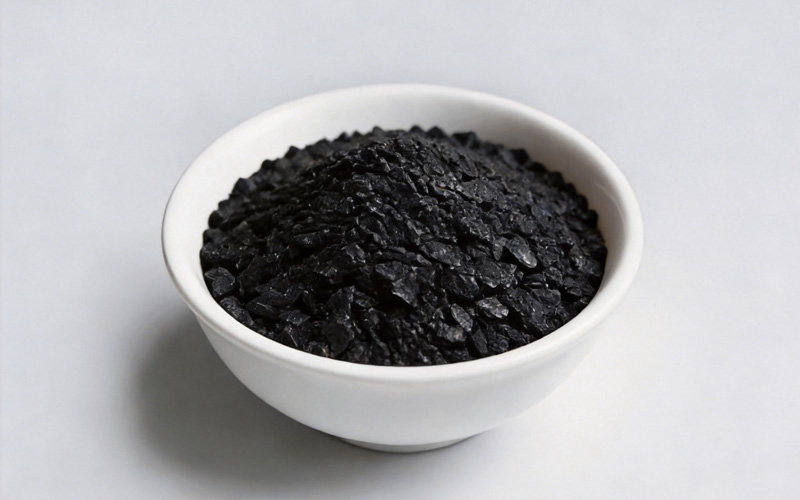
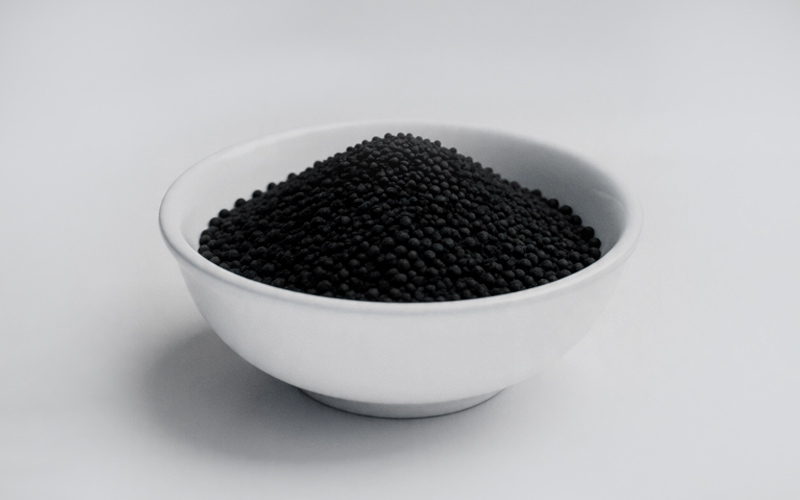
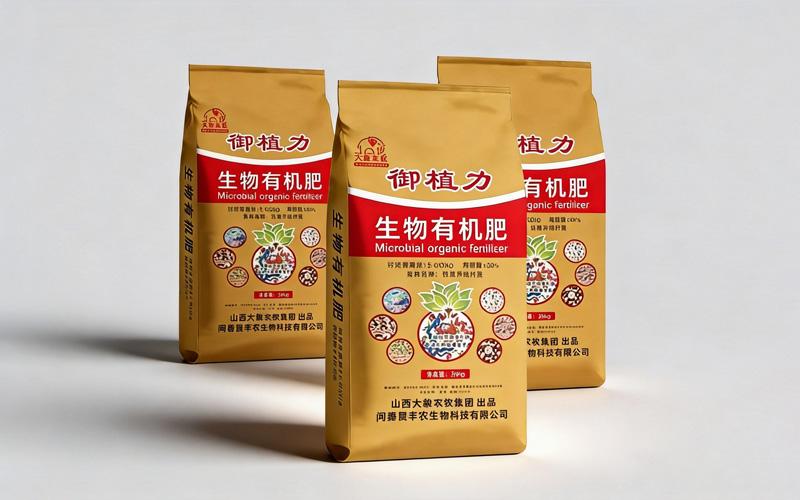
For greenhouse use, buyers should look beyond the product name. A label that simply says bio organic fertilizer is not enough for serious procurement. The most important indicators are viable bacteria count, organic matter level, nutrient balance, raw material quality, granule performance, and application compatibility. Chunlei Agriculture offers two relevant options in this direction: Funongli Bio-Organic Fertilizer and Yuzhili Bio-Organic Fertilizer. These products are positioned for root growth, soil improvement, stress resistance, and crop quality support.
| Indicator | Why it matters in greenhouse soil | What buyers should confirm |
|---|---|---|
| Viable bacteria count | Supports microbial activity around roots | Declared CFU/g and strain type |
| Organic matter | Improves structure, water holding, and aeration | Stable organic matter percentage |
| Total nutrients | Provides background nutrition without relying only on fast-release inputs | N, P2O5, K2O content and trace elements |
| Application form | Affects spreading, furrow placement, and root-zone contact | Granule strength, disintegration, and storage stability |
| Compatibility | Protects beneficial microbes from being damaged | Interval from fungicides, strong acid/alkaline pesticides, or copper products |
How to Use It for Continuous Cropping Problems
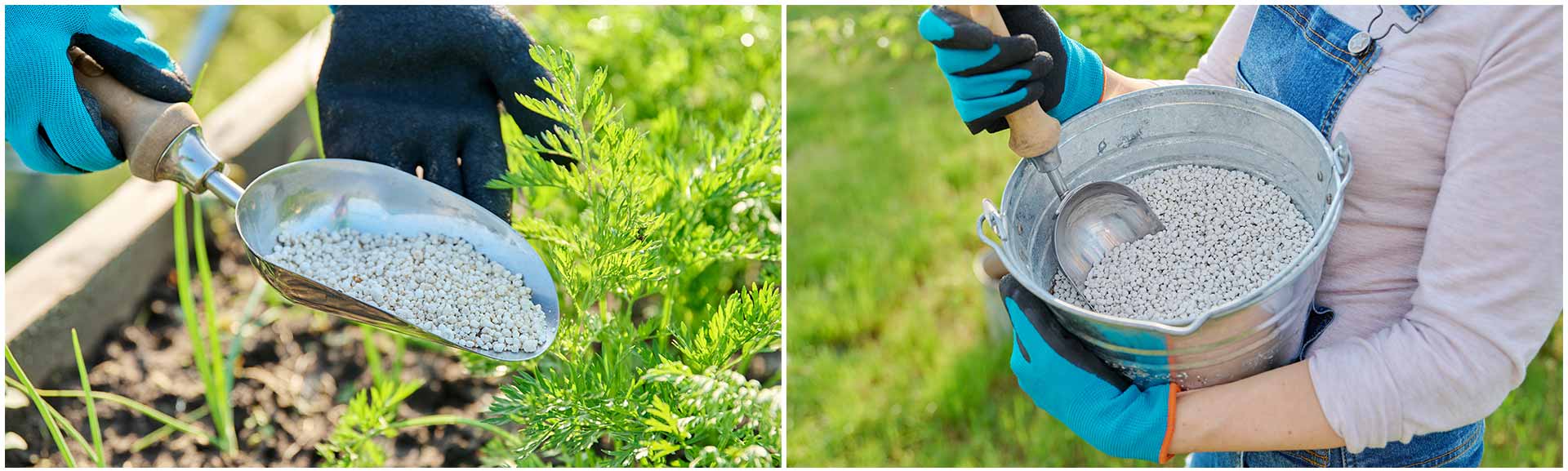
Continuous cropping problems usually develop gradually. This is why bio organic fertilizer should be selected before the greenhouse bed reaches a severe decline stage. The first step is to use bio organic fertilizer before the crop is under heavy stress. For transplanted vegetables, base application before planting is often the most practical choice because the product can be incorporated into the root zone during bed preparation.
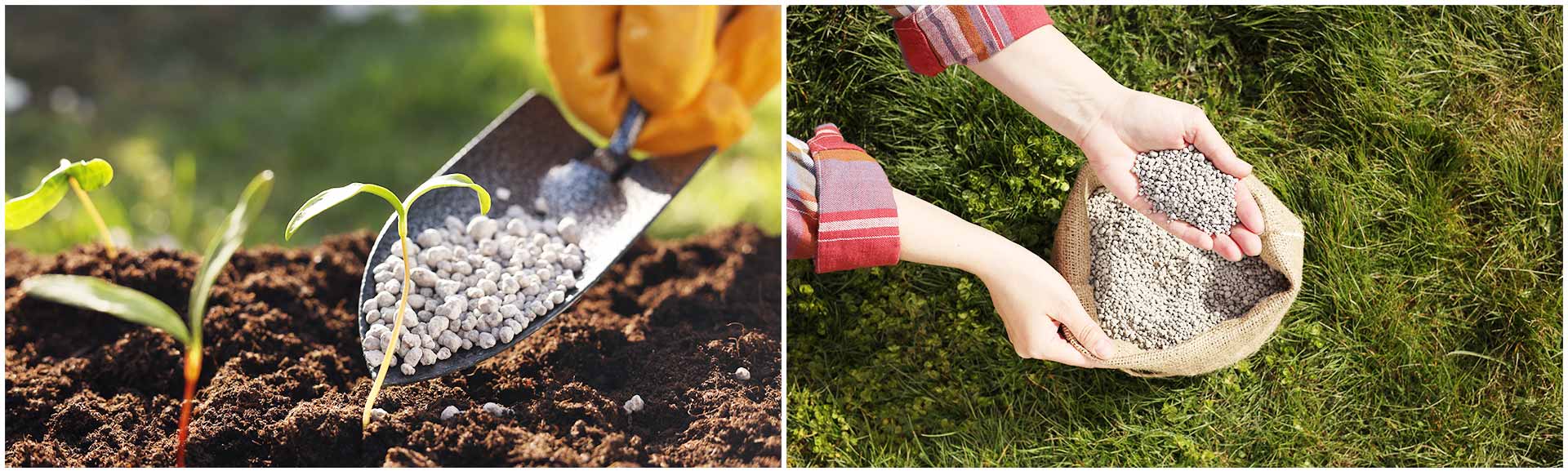
For open-field vegetables and fruiting greenhouse crops, bio organic fertilizer can be broadcast, placed in furrows, or applied near planting rows depending on local practice and equipment. Soil should have enough moisture after application, because microbial colonization is stronger when the root zone is not too dry. For severely compacted soil, combining the product with deep tillage or bed renovation usually gives better contact between roots, organic matter, and microorganisms.
During the crop cycle, a second application of bio organic fertilizer may be considered for high-value vegetables during the fruiting stage or in plots with known continuous cropping pressure. The aim is not to overload the bed, but to maintain biological activity and root function while fruit demand increases. When using bio organic fertilizer together with other fertilizers, avoid direct mixing with materials that may reduce microbial activity. A practical interval is especially important when copper-based preparations, strong fungicides, or strongly acidic or alkaline pesticides are used.
Crop-Specific Notes for Greenhouse Buyers
Tomatoes and peppers often show root pressure through uneven flowering, poor fruit setting, or weak color development. In these crops, bio organic fertilizer is best positioned as a soil foundation product before transplanting and again as root support during heavy fruit load.
Cucumbers and melons respond quickly to root-zone stress because they have high water and nutrient demand. Better soil aeration and microbial balance can help reduce transplant shock and support steadier growth. Leafy vegetables need a clean, active root zone as well, especially where short cycles encourage repeated planting with little rest time between crops.
For buyers serving multiple crop markets, this is why a broad-use bio organic fertilizer can be easier to promote than a single-crop input. Bio organic fertilizer speaks to a root-zone problem that many vegetable growers already recognize. It speaks to a root-zone problem that appears across many greenhouse systems: tired soil that no longer responds efficiently to normal fertilization.
How It Fits into a Sustainable Soil Strategy
Soil health is now a major topic in commercial agriculture, not only in organic farming. The FAO Soils Portal and the USDA NRCS soil health resources both emphasize that productive soil depends on physical, chemical, and biological functions working together. Greenhouse growers see this clearly: when biology declines and structure weakens, nutrient inputs alone cannot fully restore crop performance.
A bio organic fertilizer fits this broader soil strategy because it supports biological function while adding organic material. In this sense, bio organic fertilizer helps connect soil health language with day-to-day greenhouse decisions. It also helps distributors explain value in a way that is practical for growers. Instead of selling only a nutrient number, they can discuss root vitality, soil structure, organic matter, microbial activity, and long-term crop stability.
For more background on organic production concepts, readers can also review the general overview of organic farming. The key point for greenhouse buyers is simple: biological soil management is not a trend word. It is a practical response to intensive crop cycles.
Choosing Between Standard and Higher-Spec Products
Not every greenhouse needs the same specification, and not every bio organic fertilizer should be sold for the same purpose. A standard bio organic fertilizer with strong organic matter and an effective bacterial count may be suitable for general soil improvement and routine base application. A higher-spec formula may be better for high-value crops, longer production cycles, poor soil structure, or fields with more serious continuous cropping obstacles.
For example, Funongli Bio-Organic Fertilizer is positioned around beneficial bacteria, organic matter, root development, and soil-borne disease suppression. Yuzhili Bio-Organic Fertilizer is positioned as a higher-nutrition option with stronger organic matter and a broader nutrient profile. Buyers can compare these options based on crop value, soil condition, application timing, and local market demand.
For a wider view of the company product line, visit the fertilizer products catalog. Buyers who need customized packaging, technical guidance, or export support can also review Chunlei Agriculture’s fertilizer supply services.
Common Mistakes to Avoid
- Applying the product only after roots are already badly damaged. Soil biology works best as prevention and early correction.
- Mixing microbial fertilizer directly with incompatible pesticides or highly reactive fertilizer materials.
- Ignoring soil moisture after application. Beneficial microbes need a suitable environment to colonize.
- Judging the product only by NPK. Organic matter, strain type, and viable bacteria count are also important.
- Using one dosage for every soil type. Sandy soil, heavy clay soil, saline soil, and exhausted greenhouse beds may need different programs.
A Practical Purchasing Checklist
Before placing an order, buyers should ask for product specifications, application guidance, storage recommendations, packaging options, and advice for the target crop. This makes bio organic fertilizer easier to match with the right crop and soil condition. A reliable supplier should be able to explain how the bio organic fertilizer should be used, what it can reasonably do, and what it should not be expected to replace.
Chunlei Agriculture focuses on fertilizer manufacturing, export support, OEM and customization, and agronomic guidance for global agricultural customers. If your market needs a bio organic fertilizer for greenhouse vegetables, fruit crops, field crops, or soil improvement programs, you can contact the team for product details and application suggestions.
For related reading, the existing article Bio Organic Fertilizer for Crops explains the broader soil biology approach. This article focuses more specifically on greenhouse soil and continuous cropping pressure, where root-zone management is often the difference between average performance and stable production.