

Table of Contents
Introduction
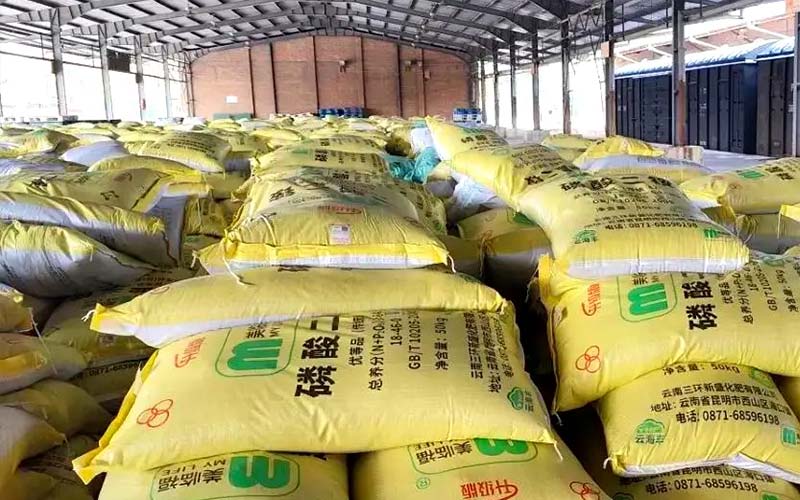
Vegetable crops usually grow fast, absorb nutrients quickly, and respond visibly to soil problems. When the soil is compacted, low in organic matter, biologically inactive, or poorly balanced, vegetables may show weak roots, slow transplant recovery, uneven leaf color, poor fruit setting, small fruit size, or unstable quality after weather changes.
This is why organic fertilizer for vegetables has become an important part of modern vegetable production. Instead of only supplying nutrients, organic fertilizer helps improve the soil environment that supports root growth, nutrient release, microbial activity, water retention, and long-term crop performance.
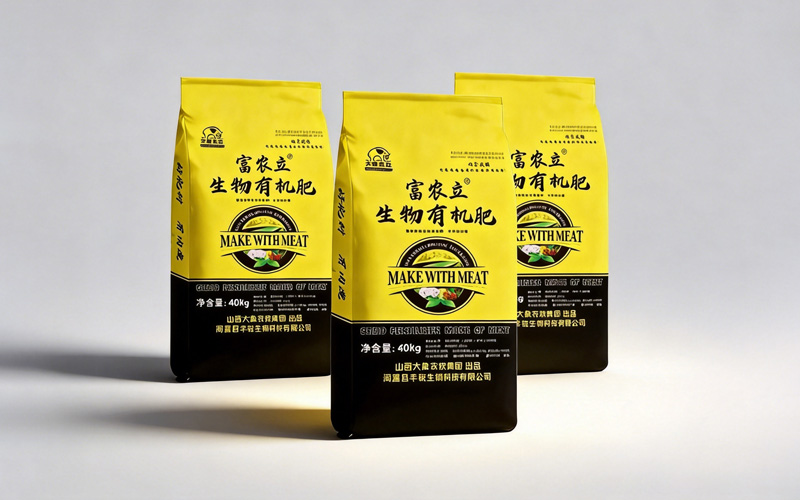
For agricultural distributors, greenhouse operators, and crop input companies, organic fertilizer is not only a soil amendment. It is a product category with strong application value in vegetable farms, greenhouse bases, orchards, nurseries, and intensive cropping systems. Chunlei Agriculture provides Funongli Bio-Organic Fertilizer and Yuzhili Bio-Organic Fertilizer for users who need practical organic fertilizer products for soil improvement and crop nutrition programs.
Why Vegetable Crops Need Soil-Focused Fertilization
Vegetables are among the most nutrient-sensitive crop categories. Leafy vegetables need steady nitrogen and root activity for fast leaf growth. Fruiting vegetables such as tomato, cucumber, pepper, eggplant, and melon need balanced nutrition during flowering and fruit enlargement. Root vegetables need loose soil, stable moisture, and good nutrient availability around the root zone.
However, many vegetable fields face the same long-term problems. Continuous cropping reduces soil vitality. Frequent irrigation can cause nutrient leaching. Greenhouse soils may accumulate salts. High fertilizer input can create nutrient imbalance. Poor organic matter weakens soil structure and water retention.
The USDA soil organic matter resource explains that soil organic matter supports nutrient storage, water retention, soil structure, and biological activity. For vegetable farming, these functions directly affect root development and crop quality.
Organic fertilizer for vegetables fits this need because it helps create a stronger foundation under the crop. Instead of treating every growth problem as a nutrient shortage, it improves the root-zone environment where nutrients become available and roots can absorb them efficiently.
What Is Organic Fertilizer for Vegetables?
Organic fertilizer for vegetables is a fertilizer product made from organic materials such as plant-based residues, animal-based organic materials, composted materials, humic substances, or biologically active organic inputs. Depending on the formula, it may also include beneficial microorganisms, humic acid, amino acids, or mineral nutrients.
A suitable organic vegetable fertilizer should support several goals at the same time:
It improves soil organic matter.
It supports microbial activity.
It helps nutrients release more gradually.
It improves soil looseness and water retention.
It supports vegetable root growth.
It improves fertilizer efficiency when used with balanced nutrition.
It helps crops become more resilient under stress.
Organic fertilizer should not be treated as the same thing as quick-release chemical fertilizer. Its value is usually broader and more gradual. It helps improve the soil system, and the soil system then supports stronger vegetable growth.
How Organic Fertilizer Supports Vegetable Root Growth
Root growth is one of the most important reasons to use organic fertilizer in vegetable production. A healthy root system helps crops absorb water and nutrients, recover after transplanting, and tolerate stress.
Vegetable roots need loose soil, oxygen, moisture, available nutrients, and an active microbial environment. When soil is compacted or low in organic matter, roots may become shallow, weak, or poorly branched. This reduces nutrient absorption and makes crops more sensitive to drought, high temperature, and fertilizer imbalance.
Organic fertilizer helps improve root growth by supporting better soil structure and biological activity. As organic materials break down, they help create a more favorable root-zone environment. Better soil aggregation allows roots to expand more easily. Improved moisture retention helps reduce sudden water stress. More active microbial processes can support nutrient transformation around the roots.
For farms that already use humic-based inputs, organic fertilizer can work together with Potassium Humate to improve soil structure, nutrient retention, and root-zone activity.
Key Benefits of Organic Fertilizer for Vegetables
| Vegetable Production Challenge | Common Field Symptoms | How Organic Fertilizer Helps | Practical Value |
|---|---|---|---|
| Weak transplant recovery | Seedlings grow slowly after planting | Improves root-zone soil and microbial activity | Faster establishment |
| Low soil organic matter | Poor structure, low water retention | Adds organic input and supports soil aggregation | Better soil foundation |
| Nutrient loss | Fertilizer response is unstable | Supports nutrient retention and gradual release | Higher fertilizer efficiency |
| Greenhouse soil fatigue | Salt stress, compacted soil, weak roots | Supports biological balance and soil improvement | More stable production |
| Uneven vegetable quality | Different sizes, colors, or maturity | Supports balanced nutrient absorption | More consistent crop quality |
| Stress after rain or heat | Leaves wilt, roots weaken, growth slows | Improves soil water and nutrient buffering | Better resilience |
Best Vegetable Crops for Organic Fertilizer Application
Organic fertilizer for vegetables can be used across different crop types, but the application goal may change depending on the vegetable category.
Leafy Vegetables
Leafy vegetables such as lettuce, spinach, cabbage, pak choi, celery, and kale need fast vegetative growth and stable nitrogen supply. Organic fertilizer helps improve soil structure and supports nutrient release, which is useful for consistent leaf growth.
Because leafy vegetables have short growth cycles, organic fertilizer is often applied before planting or during soil preparation. This helps create a better root environment before rapid growth begins.
Fruiting Vegetables
Tomato, cucumber, pepper, eggplant, melon, and zucchini require strong roots and balanced nutrition during flowering and fruit development. Organic fertilizer supports the soil conditions needed for steady nutrient absorption.
For fruiting vegetables, organic fertilizer is especially useful before transplanting, during early root development, and as part of a long-term greenhouse soil management program.
Root Vegetables
Carrot, radish, beetroot, potato, sweet potato, onion, and garlic benefit from loose soil and stable nutrient availability. Organic fertilizer helps improve soil structure, which can support root expansion and more uniform crop development.
For root vegetables, well-processed organic fertilizer is important because immature organic materials may affect soil balance or root quality.
Greenhouse Vegetables
Greenhouse vegetable systems often face continuous cropping, high fertilizer input, salt accumulation, and reduced soil biological activity. Organic fertilizer can support soil repair, microbial activity, and long-term root-zone health.
In greenhouse production, organic fertilizer should be combined with irrigation control, soil testing, salinity management, and balanced nutrient planning.
Organic Fertilizer vs. Chemical Fertilizer for Vegetables
Organic fertilizer and chemical fertilizer have different roles. They should not always be viewed as replacements for each other.
Chemical fertilizer provides nutrients in a more direct form. It is useful when vegetables need quick nutrient correction or precise nutrient supply at specific growth stages.
Organic fertilizer improves soil organic matter, microbial activity, nutrient cycling, and root-zone conditions. Its effect is more gradual, but it supports long-term soil productivity.
A practical vegetable production program often combines both. Chemical fertilizer can supply targeted nutrients, while organic fertilizer improves the soil’s ability to hold, transform, and release those nutrients.
| Fertilizer Type | Main Function | Strength | Best Use in Vegetable Production |
| Organic Fertilizer | Soil improvement and nutrient release | Builds soil health and root-zone activity | Base application, greenhouse soil repair, long-term production |
| Chemical Fertilizer | Direct nutrient supply | Fast crop response | Stage-based nutrient correction |
| Humic Fertilizer | Soil conditioning and nutrient efficiency | Improves nutrient retention and uptake | With organic fertilizer or NPK programs |
| Complete Fertilizer Program | Balanced nutrition and soil support | Supports yield, quality, and resilience | Professional vegetable production systems |
For broader product planning, Chunlei Agriculture’s fertilizer products catalog includes organic fertilizer products and humic-based fertilizer materials for different crop nutrition needs.
Organic Fertilizer and Soil Microbiology
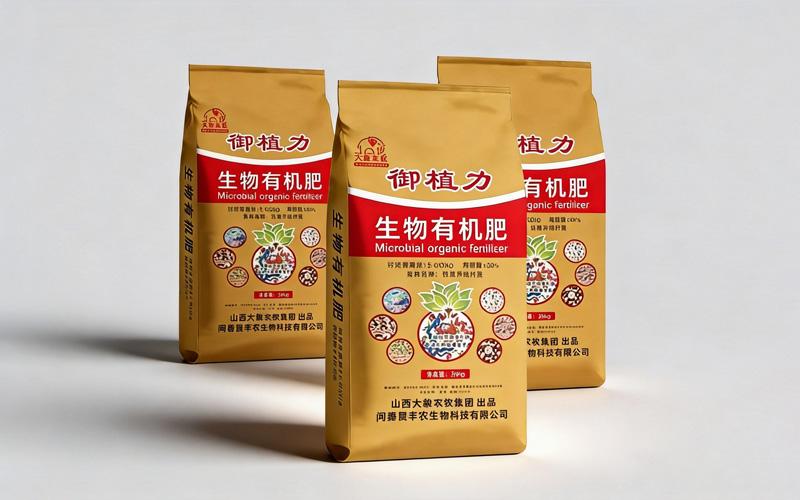
One important advantage of organic fertilizer is its connection with soil biology. Soil microorganisms help decompose organic materials, transform nutrients, support soil structure, and influence the root environment. The FAO soil biodiversity resource highlights the importance of soil organisms in maintaining soil functions and agricultural productivity.
In vegetable farming, soil microbiology matters because vegetables often have short production cycles and high nutrient demand. A more biologically active soil can support more stable nutrient cycling and better root-zone conditions.
Organic fertilizer can help create a more favorable environment for beneficial microbial activity. This is especially useful in continuous vegetable fields where soil biological balance has declined over time.
For product distributors, this also gives organic fertilizer a stronger market positioning. It is not only a nutrient product. It is a soil health product, a root-zone improvement product, and a long-term vegetable production support product.
How to Apply Organic Fertilizer for Vegetables
The best application method depends on crop type, soil condition, climate, irrigation method, and production system. Organic fertilizer should be used in a planned way, not only after soil problems become severe.
Before Planting
Applying organic fertilizer before planting gives the soil time to improve before the crop enters its fast growth stage. This method is suitable for leafy vegetables, root vegetables, and field vegetable production.
The fertilizer can be incorporated into the soil during land preparation. This helps distribute organic matter and nutrients more evenly through the root zone.
During Transplanting
For transplanted vegetables such as tomato, pepper, cucumber, eggplant, cabbage, and melon, organic fertilizer can support early root establishment. A stronger root system helps seedlings recover more quickly and enter active growth.
Care should be taken to avoid direct root contact with immature or overly concentrated materials. Well-processed organic fertilizer products are more suitable for this use.
In Greenhouse Soil Programs
Greenhouse vegetable soils often require continuous improvement. Organic fertilizer can be applied between crop cycles to rebuild soil organic matter, reduce soil fatigue, and support microbial activity.
In greenhouse systems, organic fertilizer should be used with soil testing to avoid nutrient overload or salinity problems.
Around Fruit Vegetable Root Zones
For fruiting vegetables, organic fertilizer can be applied near the root zone as part of a season-long fertility program. It supports root activity and nutrient absorption during flowering, fruit setting, and fruit enlargement.
With Humic-Based Fertilizer Inputs
Organic fertilizer can be combined with humic-based products to improve soil structure and nutrient efficiency. Products such as Raw Humic Acid Powder can also support fertilizer formulation and soil improvement strategies.
What Makes a Good Organic Fertilizer Product for Vegetables?
Not every organic fertilizer product performs the same way. For vegetable production, product quality and maturity are especially important because vegetables are sensitive to root-zone changes.
A good organic fertilizer for vegetables should have stable organic matter, proper maturity, low harmful impurities, suitable moisture, convenient particle form, and consistent batch quality.
For agricultural distributors and crop input companies, important product evaluation points include:
Organic matter content.
Nutrient composition.
Moisture control.
Maturity and odor.
Particle size or granule strength.
Microbial or biological function.
Compatibility with local crop systems.
Packaging options.
Technical documents and application guidance.
Stable supply capability.
Chunlei Agriculture provides Funongli Bio-Organic Fertilizer and Yuzhili Bio-Organic Fertilizer for agricultural markets that need organic fertilizer products focused on soil improvement and crop performance.
Common Mistakes When Using Organic Fertilizer for Vegetables
Organic fertilizer can bring strong value, but incorrect use may reduce its effect.
Expecting Immediate Results Only
Organic fertilizer improves soil gradually. Some benefits, such as better soil structure and stronger microbial activity, may become more visible after repeated application across crop cycles.
Ignoring Soil Testing
Soil testing helps identify pH, salinity, organic matter, and nutrient status. Without testing, it is difficult to know whether the main problem is low organic matter, nutrient imbalance, salt accumulation, or poor soil structure.
Applying Immature Organic Materials
Immature organic materials may continue decomposing in the field and affect root growth. For vegetable crops, mature and stable organic fertilizer is especially important.
Using Too Much Fertilizer in Greenhouses
Greenhouse soils can accumulate nutrients and salts over time. Organic fertilizer should be part of a balanced program, not an uncontrolled input.
Treating Organic Fertilizer as a Complete Replacement
Organic fertilizer is valuable, but vegetable crops may still need balanced mineral nutrients depending on growth stage and soil condition. The best approach is often integrated fertilization.
Practical Scenario: Improving Greenhouse Tomato Soil
A greenhouse tomato grower has been planting tomatoes for several seasons. At first, the crop performed well, but now transplant recovery is slower, roots are weaker, and fruit size is less consistent. The grower applies fertilizer regularly, but crop response is not as strong as before.
The problem is not only nutrient supply. The greenhouse soil has become compacted, organic matter is low, and the root-zone biological environment is weak.
In this situation, organic fertilizer can be applied between crop cycles to improve soil structure and biological activity. During transplanting and early growth, it can support better root development. When combined with balanced NPK fertilizer, humic-based soil conditioners, and careful irrigation, the tomato crop can develop a stronger root system and more stable nutrient absorption.
This is the value of organic fertilizer for vegetables: it helps correct the soil foundation behind many visible crop problems.
Why Organic Fertilizer Products Have Strong Market Potential
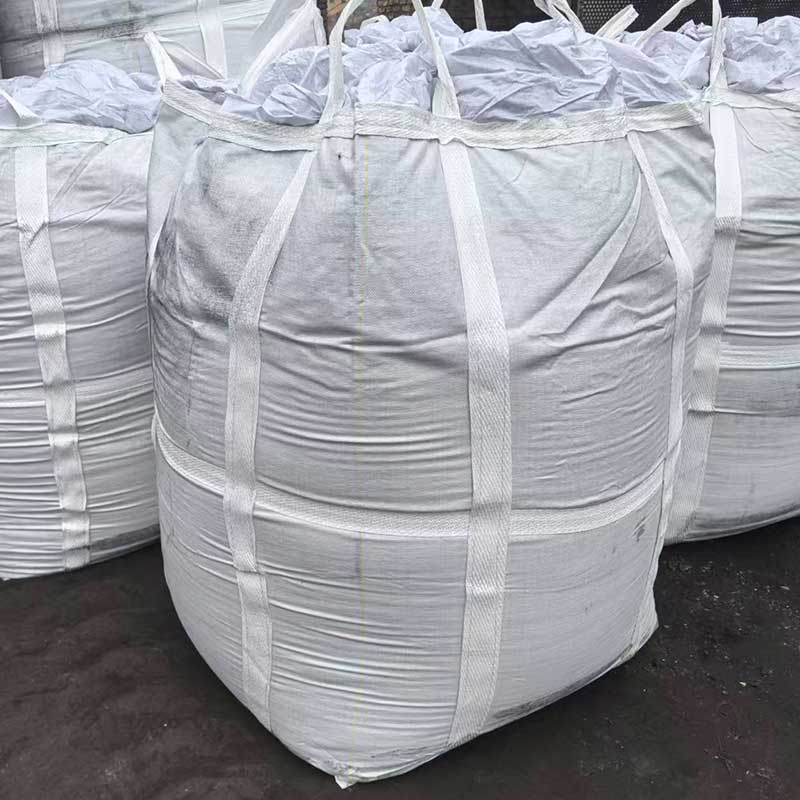
Organic fertilizer for vegetables has strong market demand because vegetable producers are facing more soil-related challenges. Intensive farming systems need more than quick nutrient correction. They need products that improve soil health, root development, nutrient efficiency, and crop resilience.
For distributors and agricultural input companies, organic fertilizer can be positioned around several practical selling points:
Soil organic matter improvement.
Vegetable root-zone activation.
Greenhouse soil repair.
Continuous cropping support.
Nutrient efficiency improvement.
Crop quality consistency.
Sustainable farming programs.
This makes organic fertilizer a valuable product category for vegetable production regions, greenhouse bases, export crop farms, and high-value crop systems.
Chunlei Agriculture supports global agricultural markets with organic fertilizer and humic-based fertilizer products. For product specifications, sample support, packaging options, or customized supply needs, users can review the fertilizer products catalog or send an inquiry through Contact Us.
Conclusion
Organic fertilizer for vegetables is important because many vegetable production problems begin in the soil. Weak roots, unstable nutrient uptake, poor transplant recovery, low soil organic matter, and declining crop quality are often connected to root-zone conditions rather than simple nutrient shortage.
By improving soil organic matter, microbial activity, nutrient cycling, water retention, and soil structure, organic fertilizer helps create a stronger foundation for vegetable crops. It is especially useful in greenhouse vegetable production, continuous cropping systems, root vegetable fields, leafy vegetable farms, and fruiting vegetable production.
For agricultural distributors, greenhouse operators, and crop input companies, organic fertilizer is a practical product category with long-term value. Chunlei Agriculture provides Funongli Bio-Organic Fertilizer, Yuzhili Bio-Organic Fertilizer, and related humic-based fertilizer products for vegetable crop nutrition and soil improvement programs.
FAQ
What is the best organic fertilizer for vegetables?
The best organic fertilizer for vegetables should be mature, stable, rich in organic matter, suitable for root-zone application, and matched with the crop type and soil condition. Product consistency is especially important for greenhouse and high-value vegetable production.
Can organic fertilizer improve vegetable root growth?
Yes. Organic fertilizer can improve soil structure, water retention, microbial activity, and nutrient cycling, which helps create a better environment for root development.
Is organic fertilizer enough for vegetable crops?
Organic fertilizer is valuable for soil health, but vegetable crops may still need balanced mineral nutrients depending on soil test results and growth stage. Many professional systems combine organic fertilizer with NPK and trace elements.
When should organic fertilizer be applied to vegetables?
Organic fertilizer is commonly applied before planting, during soil preparation, around transplanting, or between greenhouse crop cycles. The best timing depends on crop type, soil condition, and production system.
Is organic fertilizer good for greenhouse vegetables?
Yes. Organic fertilizer is useful for greenhouse vegetables because it supports soil organic matter, microbial activity, root-zone improvement, and continuous cropping management. Soil testing is still important to prevent nutrient or salt imbalance.
How do distributors choose an organic fertilizer supplier?
Distributors should check organic matter content, nutrient composition, maturity, moisture, particle form, batch consistency, packaging options, documentation, and export supply capability.