



Table of Contents
Introduction
Soil problems are often misunderstood as simple nutrient shortages. When crops grow slowly, roots remain weak, leaves lose color, or yields become unstable, the first reaction is often to apply more fertilizer. But in many fields, the deeper issue is not only nutrient supply. It is the decline of soil biological activity.
This is where microbial organic fertilizer becomes valuable. Unlike fertilizers that only provide nutrients, microbial organic fertilizer supports the living system in the soil. It helps improve microbial activity, organic matter transformation, nutrient cycling, root-zone balance, and long-term soil productivity.
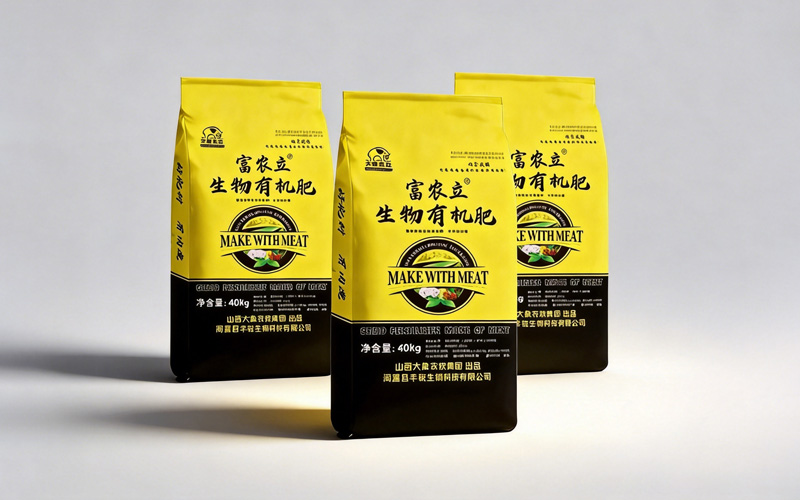
For agricultural distributors, fertilizer formulators, and professional growers, microbial organic fertilizer is a strong product category because it connects soil health with crop performance. Chunlei Agriculture provides Funongli Bio-Organic Fertilizer and Yuzhili Bio-Organic Fertilizer for users who need practical organic fertilizer products focused on soil improvement and crop nutrition.
Why Soil Microbial Activity Matters
Soil is not an inert material. It is a living environment where roots, microorganisms, organic matter, minerals, water, and air interact. Beneficial microorganisms help decompose organic materials, transform nutrients, improve soil aggregation, and support a healthier root-zone environment.
When soil microbial activity declines, crops may become more dependent on frequent fertilizer input. Nutrients may be present in the soil but not efficiently transformed or absorbed. Roots may grow poorly because the soil lacks biological balance. Continuous cropping, excessive fertilizer use, poor organic matter management, salinity, compaction, and waterlogging can all reduce soil microbial vitality.
The FAO soil biodiversity resource explains that soil organisms play important roles in maintaining soil functions and agricultural productivity. For crop production, this means soil biology is not only an environmental topic. It directly affects nutrient availability, root growth, water movement, and crop resilience.
Microbial organic fertilizer helps address this issue by adding organic materials and supporting beneficial biological activity in the soil.
What Is Microbial Organic Fertilizer?
Microbial organic fertilizer is a type of organic fertilizer that combines organic matter with beneficial microorganisms or biologically active components. It is designed to improve soil fertility, stimulate microbial activity, and support nutrient cycling.
A high-quality microbial organic fertilizer usually has several functions:
It adds organic material to the soil.
It supports beneficial microbial activity.
It helps improve nutrient transformation.
It improves root-zone soil conditions.
It supports better crop nutrient absorption.
It helps rebuild soil fertility in continuous cropping systems.
It improves crop resilience under stress.
Compared with traditional organic materials, microbial organic fertilizer is more application-focused. It is usually processed, formulated, and packaged for agricultural use. Compared with chemical fertilizer, it works more gradually but supports the soil foundation that helps fertilizers perform better.
For users looking for a complete product range, Chunlei Agriculture’s fertilizer products catalog includes bio-organic fertilizer and humic-based fertilizer products for different soil and crop needs.
How Microbial Organic Fertilizer Works in the Root Zone
The root zone is the main working area of microbial organic fertilizer. This is where plant roots absorb nutrients and water, and where microorganisms transform organic and mineral substances into more useful forms.
Supporting beneficial microorganisms
Beneficial microorganisms help create a more active soil environment. They participate in organic matter decomposition and nutrient transformation, which can improve the availability of nutrients around roots.
Improving nutrient cycling
Not all nutrients in the soil are immediately available to crops. Microbial organic fertilizer supports the biological processes that help convert nutrients into plant-available forms. This is especially important in soils where nutrient use efficiency is low.
Strengthening root development
A biologically active root zone helps roots expand more effectively. Stronger roots increase the crop’s ability to absorb nutrients and water, especially during transplanting, flowering, fruit enlargement, and stress periods.
Improving soil structure
Organic matter and microbial activity can support soil aggregation. Better aggregation improves aeration, water infiltration, and root penetration.
Supporting long-term soil fertility
Microbial organic fertilizer is not only for one crop cycle. Repeated and planned use can help improve soil quality over time, especially in fields affected by continuous cropping or declining organic matter.
Main Benefits of Microbial Organic Fertilizer
| Field Challenge | Common Symptoms | How Microbial Organic Fertilizer Helps | Practical Value |
|---|---|---|---|
| Low microbial activity | Weak roots, poor nutrient response | Supports beneficial biological activity | Healthier root zone |
| Poor soil structure | Compaction, poor aeration, slow root growth | Improves organic matter and aggregation | Better root expansion |
| Low fertilizer efficiency | Fertilizer is applied but crop response is weak | Supports nutrient transformation and absorption | Better input efficiency |
| Continuous cropping stress | Soil fatigue, uneven crop growth | Helps rebuild biological balance | More stable production |
| Low organic matter | Poor water retention and nutrient holding | Adds organic input and supports soil function | Stronger soil foundation |
| Crop stress sensitivity | Poor recovery after drought, rain, or heat | Improves soil buffering and root activity | Better resilience |
Best Crop Applications for Microbial Organic Fertilizer
Microbial organic fertilizer can be used in many crop systems because soil biology affects nearly all types of crops.
Vegetables
Vegetables grow quickly and need strong nutrient uptake. Microbial organic fertilizer can support transplant recovery, root activity, and soil biological balance. It is especially valuable in greenhouse vegetable systems and continuous cropping fields.
Fruit Trees
Fruit trees require long-term soil care because roots remain in the same soil for years. Microbial organic fertilizer can help improve orchard soil, support root-zone activity, and increase nutrient cycling around the root system.
Field Crops
For maize, wheat, rice, soybean, and other field crops, microbial organic fertilizer can be used as part of base fertilizer or soil improvement programs. It helps improve soil structure and fertilizer-use efficiency over time.
Cash Crops
Tobacco, cotton, tea, herbs, flowers, and oil crops often require consistent quality. Microbial organic fertilizer can support balanced growth, better soil conditions, and more stable crop performance.
Greenhouse Crops
Greenhouse soils often suffer from salt accumulation, low biological diversity, and soil fatigue. Microbial organic fertilizer can help improve the soil environment when combined with irrigation management, soil testing, and balanced fertilization.
Microbial Organic Fertilizer vs. Ordinary Organic Fertilizer
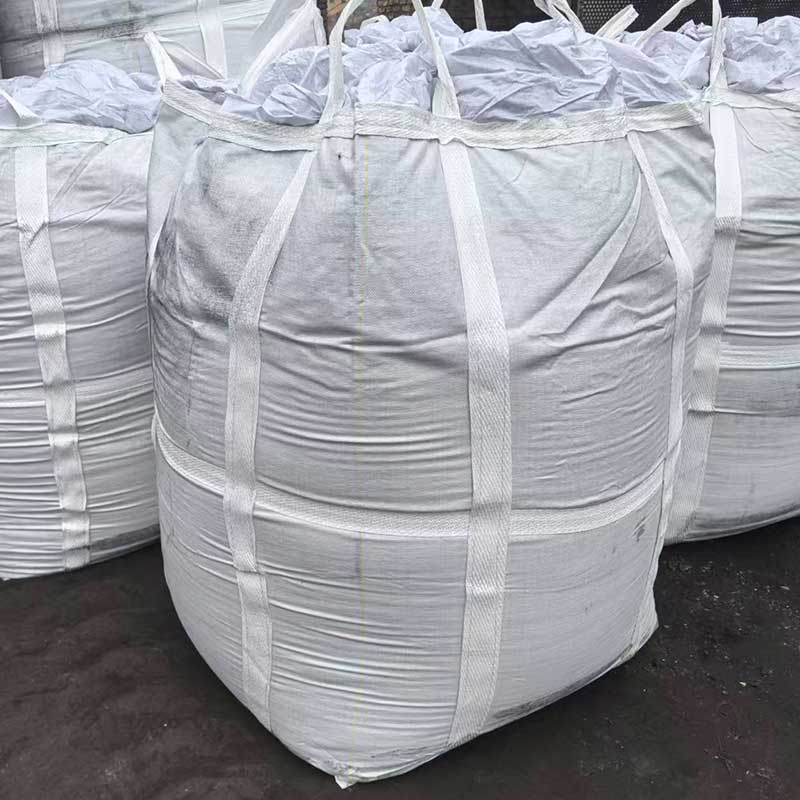
Microbial organic fertilizer and ordinary organic fertilizer are related, but they are not exactly the same.
Ordinary organic fertilizer mainly improves soil organic matter and provides slow-release nutrients. Microbial organic fertilizer adds a stronger biological function by supporting beneficial microorganisms and root-zone activity.
A practical comparison:
| Product Type | Main Function | Best Use |
| Ordinary Organic Fertilizer | Adds organic matter and nutrients | General soil improvement |
| Microbial Organic Fertilizer | Supports organic matter, microbes, and nutrient cycling | Soil biology improvement and root-zone activation |
| Chemical Fertilizer | Provides fast nutrient supply | Growth-stage nutrient correction |
| Humic Fertilizer | Improves nutrient retention and soil conditioning | Fertilizer efficiency and soil structure support |
For many crop systems, microbial organic fertilizer works well together with humic-based products such as Potassium Humate and Raw Humic Acid Powder. This combination can support both biological activity and soil conditioning.
How to Apply Microbial Organic Fertilizer
The application method should match the crop type, soil condition, and production system. Microbial organic fertilizer works best when it is used as part of a planned soil improvement program.
Before Planting
Applying microbial organic fertilizer before planting helps prepare the soil and improve the root-zone environment before crop growth begins. This is suitable for vegetables, field crops, and cash crops.
During Transplanting
For transplanted crops, microbial organic fertilizer can support early root development and reduce transplant stress. It should be applied properly around the root zone without direct damage to young roots.
Between Crop Cycles
In greenhouse and continuous cropping systems, applying microbial organic fertilizer between crop cycles helps rebuild soil biological activity and reduce soil fatigue.
Around Fruit Tree Root Zones
For orchards, microbial organic fertilizer can be applied around the active root distribution area. This helps improve soil conditions where roots absorb water and nutrients.
With Balanced Fertilizer Programs
Microbial organic fertilizer should not be treated as a complete replacement for all nutrients. It works best with balanced NPK fertilizer, trace elements, humic products, and good irrigation management.
What Makes a Good Microbial Organic Fertilizer Product?
A reliable microbial organic fertilizer should be stable, mature, easy to apply, and suitable for real farming systems. Product appearance alone is not enough to judge quality.
Important product factors include:
Organic matter content.
Biological activity or functional microbial value.
Maturity and fermentation quality.
Moisture control.
Particle size or granule strength.
Nutrient composition.
Odor and storage stability.
Batch consistency.
Packaging options.
Technical documentation and application guidance.
For agricultural distributors and input companies, supplier reliability is also important. A strong supplier should provide consistent quality, export support, product specifications, and suitable packaging for local markets.
Chunlei Agriculture provides Funongli Bio-Organic Fertilizer and Yuzhili Bio-Organic Fertilizer for users who need microbial organic fertilizer products for crop production and soil improvement programs.
Common Problems Microbial Organic Fertilizer Can Help Improve
Microbial organic fertilizer is especially useful in fields where the soil is no longer responding well to regular fertilization.
Common field situations include:
Continuous vegetable cropping with weak roots.
Greenhouse soil fatigue.
Orchards with compacted soil.
Fields with low organic matter.
Crops with poor fertilizer response.
Soils affected by salinity or poor structure.
Fields with unstable growth after rain, drought, or heat.
In these situations, applying more chemical fertilizer alone may not solve the problem. The soil needs better structure, more organic input, and stronger biological activity. Microbial organic fertilizer helps improve these deeper soil conditions.
Practical Scenario: Restoring Greenhouse Soil After Continuous Cropping
A greenhouse grower has planted vegetables in the same soil for several years. At first, crop growth was strong, but now roots are weaker, leaves are uneven, and fertilizer response is unstable. The soil becomes compacted, irrigation is less efficient, and crops recover slowly after temperature changes.
In this situation, the problem is not only a lack of nutrients. The soil biological environment has weakened.
Microbial organic fertilizer can be applied between crop cycles to improve soil organic matter and microbial activity. During transplanting, it can support root-zone recovery. When combined with balanced fertilizer, humic-based products, and irrigation control, the greenhouse soil can gradually become more active and productive again.
This is the practical value of microbial organic fertilizer: it helps rebuild the soil system that supports long-term crop performance.
How Microbial Organic Fertilizer Supports Sustainable Agriculture
Sustainable agriculture depends on productive soil. Without healthy soil, growers may need higher fertilizer input, more correction products, and more frequent intervention. Microbial organic fertilizer helps reduce this pressure by improving the soil’s natural capacity to support crops.
The USDA soil health resource emphasizes that soil health is connected with biological activity, water movement, nutrient cycling, and long-term productivity. Microbial organic fertilizer fits this concept because it supports the living part of soil fertility.
For agricultural markets, this creates strong product value. Microbial organic fertilizer can be positioned as a soil health product, a root-zone improvement product, a continuous cropping solution, and a long-term fertility product.
Why Microbial Organic Fertilizer Has Strong B2B Market Potential
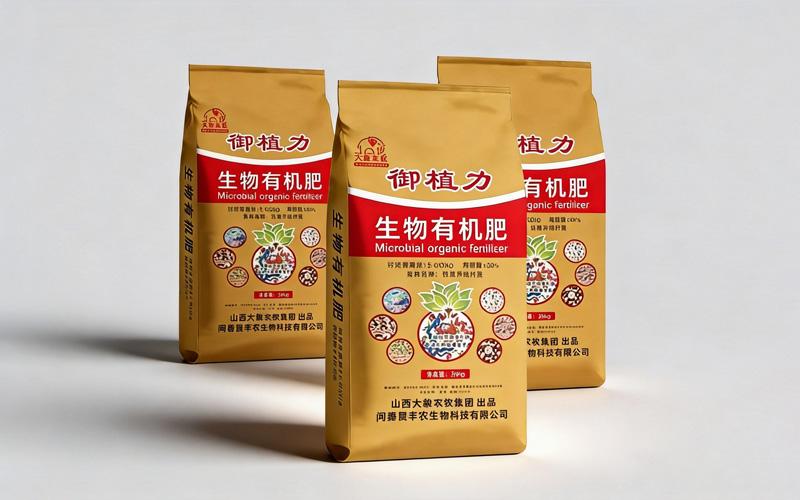
Microbial organic fertilizer is becoming more attractive in agricultural input markets because growers are facing soil-related problems that simple nutrient products cannot fully solve.
Distributors and fertilizer brands can position microbial organic fertilizer around practical application needs:
Greenhouse soil improvement.
Vegetable transplant recovery.
Orchard root-zone management.
Continuous cropping support.
Soil organic matter improvement.
Fertilizer efficiency enhancement.
Sustainable crop production.
For B2B product development, microbial organic fertilizer can also be combined with humic acid products, NPK fertilizer, trace elements, and crop-specific programs.
Chunlei Agriculture supports agricultural distributors, fertilizer companies, and crop input brands with organic fertilizer and humic-based fertilizer products. Users can explore the full fertilizer products catalog or submit product requirements through Contact Us.
Conclusion
Microbial organic fertilizer is valuable because it focuses on the living foundation of crop production: soil biology. By supporting beneficial microorganisms, organic matter transformation, nutrient cycling, root-zone improvement, and soil structure, it helps crops grow in a stronger and more resilient soil environment.
It is especially useful in vegetable fields, greenhouse systems, orchards, continuous cropping areas, and soils with low organic matter or weak fertilizer response. While it should not replace balanced nutrition entirely, it can make fertilizer programs more effective by improving the soil system behind crop growth.
For agricultural distributors, fertilizer formulators, and crop input companies, microbial organic fertilizer is a practical product direction with strong market demand. Chunlei Agriculture provides Funongli Bio-Organic Fertilizer, Yuzhili Bio-Organic Fertilizer, and related humic-based fertilizer products for soil improvement and crop nutrition programs.
FAQ
What is microbial organic fertilizer used for?
Microbial organic fertilizer is used to improve soil microbial activity, organic matter transformation, nutrient cycling, root-zone conditions, and long-term soil fertility.
Is microbial organic fertilizer better than ordinary organic fertilizer?
It depends on the application goal. Ordinary organic fertilizer mainly adds organic matter, while microbial organic fertilizer also supports beneficial biological activity and root-zone improvement.
Can microbial organic fertilizer improve root growth?
Yes. By improving soil structure, microbial activity, and nutrient availability around roots, microbial organic fertilizer can support stronger root development.
Which crops can use microbial organic fertilizer?
It can be used for vegetables, fruit trees, field crops, greenhouse crops, flowers, tea, tobacco, herbs, and many other agricultural crops.
Can microbial organic fertilizer replace chemical fertilizer?
Usually not completely. It works best as part of an integrated fertilizer program with balanced NPK, trace elements, irrigation management, and soil testing.
How should users choose a microbial organic fertilizer supplier?
Users should check organic matter content, biological function, maturity, moisture control, particle form, batch consistency, packaging options, technical documents, and supply capability.