



Table of Contents
When bio-organic fertilizer is being evaluated, bio organic fertilizer application timing calls for a separate work plan. Map nutrient release to the crop calendar is the first control; prepare the soil before planting establishes the next. That scope determines the headings, table, and questions used below.
Start with planting date, expected root activity, irrigation periods, and harvest window. At the same time, pre-plant incorporation can improve contact with soil but must respect tillage depth and erosion risk. Taken together, those details set the baseline for bio organic fertilizer application timing. The purpose is controlled planning, not a universal rate or guaranteed result.
Map nutrient release to the crop calendar
Start with planting date, expected root activity, irrigation periods, and harvest window. Organic nutrient release is influenced by biological activity and cannot be scheduled like a fully soluble input. The two conditions belong in the same bio organic fertilizer application timing review because a change in either one can alter the meaning of the result.
Place each application where roots and soil conditions can use it. Decide in advance what would justify continuing, adjusting, or stopping. That decision rule keeps the process useful when the outcome is less clear than expected.
Compare bio-organic fertilizer products with the requirement to map nutrient release to the crop calendar. The product page supplies form and declared information; the bio organic fertilizer application timing decision still depends on the field or purchasing evidence described here.
Prepare the soil before planting
Use soil testing, drainage observations, and previous-crop records to define the baseline. Pre-plant incorporation can improve contact with soil but must respect tillage depth and erosion risk. For this part of bio organic fertilizer application timing, treat both as facts to verify rather than assumptions inherited from another crop, water source, machine, or supplier.
Avoid burying material where roots will not reach it during establishment. Note the relevant date, location, lot, and operating condition. A later comparison is credible only when it can be traced to the circumstances in which it was made.
The FAO integrated plant nutrition guidance gives broader nutrient-management context for prepare the soil before planting. Use that systems view when placing bio organic fertilizer application timing beside water, crop, soil, and environmental responsibilities.

Support transplant establishment without overloading the root zone
Young roots need moisture, oxygen, and moderate nutrient availability rather than a concentrated band of inputs. Keep fertilizer away from direct contact with sensitive roots unless the label specifically permits it. The consequence for bio organic fertilizer application timing is straightforward: this is a distinct control point and should not be hidden inside a general application or purchase instruction.
Check survival, new root growth, and irrigation uniformity before adding another application. If it cannot be completed, reduce the scope of the trial or hold the decision until the missing condition is resolved.
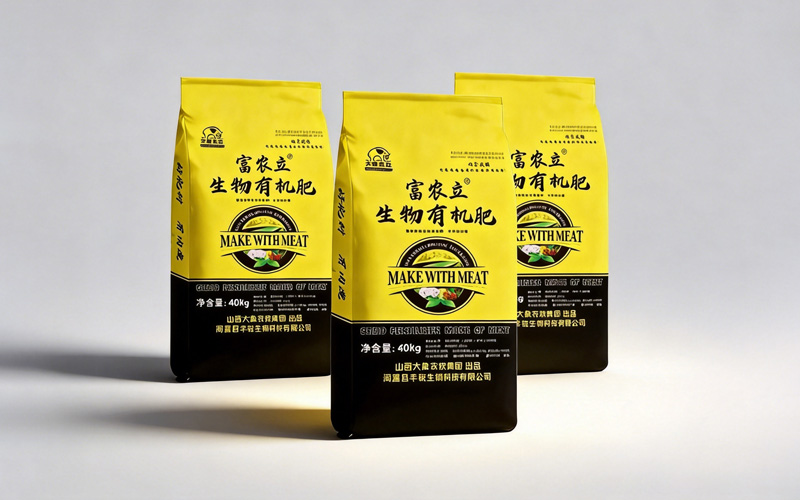
Review Funongli Bio-Organic Fertilizer while checking support transplant establishment without overloading the root zone. It provides an adjacent product view, but a different physical form or delivery route may require a different quality test.
Adjust during vegetative growth
Fast canopy expansion changes nutrient demand and the volume of active roots. Split applications may fit irrigated or high-rainfall systems better than one large surface application. That relationship determines how this stage of bio organic fertilizer application timing should be explained to operators and evaluated by technical staff.
Coordinate organic inputs with the existing mineral fertilizer plan to avoid duplication. Compare the outcome with the original objective, not with an unrelated visual change. Keep other major variables stable long enough to learn something useful.
The USDA NRCS soil health resources supports a connected view of soil function. It is especially relevant to bio organic fertilizer application timing where split applications may fit irrigated or high-rainfall systems better than one large surface application.
Reassess at flowering and fruit development
Reproductive stages change the balance between vegetative growth and crop load. Use tissue, soil, and crop observations where appropriate instead of assuming that more fertilizer improves fruiting. Before the team advances bio organic fertilizer application timing, convert this point into a check that can be performed under normal farm, plant, warehouse, or loading conditions.
Protect pollination, food-safety intervals, and field access requirements. Write down both the acceptable condition and the stop condition. Clear limits reduce preventable damage and shorten any later investigation.
The US EPA nutrient management overview adds public-interest context to reassess at flowering and fruit development. It reinforces the need to keep bio organic fertilizer application timing within nutrient, label, and environmental limits.
Plan post-harvest soil recovery
Crop residue, root turnover, and remaining soil moisture create a different management window. Post-harvest use should support the next rotation rather than compensate for unresolved drainage or compaction. In day-to-day work, that makes this a scheduling and responsibility question inside the bio organic fertilizer application timing program.
Record what was removed in the harvested crop and what remains in the field. Ask the people doing the work what they observed; handling details and field variation often explain differences that a laboratory sheet cannot show.
Use the site’s bio-organic fertilizer comparison as supporting background for plan post-harvest soil recovery. The present page remains focused on the narrower question in its H1.
Use field records to refine next season
Compare timing, placement, weather, crop response, and yield-quality observations across representative zones. Do not credit one input for changes caused by variety, irrigation, pest pressure, or seasonal weather. These points deserve a separate step because changing them together with several other inputs would make bio organic fertilizer application timing hard to interpret.
Carry forward only timing decisions that are supported by repeatable observations. Preserve a simple baseline for the next review. The decision should be carried forward from written evidence rather than memory.
The Utah State University Extension nutrient management guide offers additional extension context for use field records to refine next season. Combine it with local crop recommendations and the written bio organic fertilizer application timing record.

Adjust during vegetative growth: Questions and Records
A small bio organic fertilizer application timing trial becomes easier to interpret when these four conditions are recorded before scale-up. For this title, the relevant operating point is adjust during vegetative growth.
| Decision point | Working question | Required record |
|---|---|---|
| Map nutrient release to the crop calendar | Start with planting date, expected root activity, irrigation periods, and harvest window? | Record the baseline before approval |
| Prepare the soil before planting | Use soil testing, drainage observations, and previous-crop records to define the baseline? | Confirm the operating condition |
| Support transplant establishment without overloading the root zone | Young roots need moisture, oxygen, and moderate nutrient availability rather than a concentrated band of inputs? | Assign a measurable field or quality check |
| Adjust during vegetative growth | Fast canopy expansion changes nutrient demand and the volume of active roots? | Set a stop rule and review point |
The checkpoint sheet is most useful when operators and technical staff review it together. The article-specific review returns to support transplant establishment without overloading the root zone.
Questions Raised by Prepare the soil before planting
Which evidence supports “Map nutrient release to the crop calendar”?
Start with planting date, expected root activity, irrigation periods, and harvest window. That evidence forms the starting point for bio organic fertilizer application timing; the applicable label and local requirements still control final use.
How should “Prepare the soil before planting” be checked?
For bio organic fertilizer application timing, pre-plant incorporation can improve contact with soil but must respect tillage depth and erosion risk. Treat the check as a separate decision so unrelated changes do not hide its effect.
What can a specification confirm about bio organic fertilizer application timing?
A bio organic fertilizer application timing specification can describe the material, but it cannot replace the field or operating fact that keep fertilizer away from direct contact with sensitive roots unless the label specifically permits it.
Which sign should stop this program?
Pause bio organic fertilizer application timing when the stated condition cannot be verified, safety is uncertain, or the team cannot protect pollination, food-safety intervals, and field access requirements.
What should be retained after “Use field records to refine next season”?
Bio Organic Fertilizer Application Timing records should keep the product and lot, date, location, baseline, operating conditions, observations, and the decision made after staff carry forward only timing decisions that are supported by repeatable observations.
That is why bio organic fertilizer application timing should be reviewed against the article’s own checkpoints before the team changes a field, formulation, or purchase decision.
Use field records to refine next season Before the Next Step
Compare timing, placement, weather, crop response, and yield-quality observations across representative zones. That final control connects the earlier requirements to an evidence-based bio organic fertilizer application timing decision. Use the seven section records together; one favorable observation should not erase a failed safety, compatibility, field, or quality condition.
To discuss map nutrient release to the crop calendar, adjust during vegetative growth, or the specification for bio-organic fertilizer, contact the technical team. Bring the intended use and the records named above so the next bio organic fertilizer application timing step begins with the facts that matter to this H1.