


Table of Contents
For growers and buyers of bagged fertilizer, fertilizer container loading checklist is a narrow export logistics decision. Approve the container before any bag enters is the first control; confirm the cargo and document count establishes the next. The order below mirrors how the decision is prepared, checked, and reviewed in practice.
Check identification, structural condition, doors, floor, roof, walls, odors, light penetration, and signs of previous contamination. At the same time, resolve count or label discrepancies before loading. Taken together, those details set the baseline for fertilizer container loading checklist. Any unresolved safety, compatibility, or compliance question should be cleared before scale-up.
Approve the container before any bag enters
Check identification, structural condition, doors, floor, roof, walls, odors, light penetration, and signs of previous contamination. A clean exterior does not prove a dry interior. The consequence for fertilizer container loading checklist is straightforward: this is a distinct control point and should not be hidden inside a general application or purchase instruction.
Photograph the empty container with time and number visible. If it cannot be completed, reduce the scope of the trial or hold the decision until the missing condition is resolved.
Compare complete fertilizer product catalog with the requirement to approve the container before any bag enters. The product page supplies form and declared information; the fertilizer container loading checklist decision still depends on the field or purchasing evidence described here.
Confirm the cargo and document count
Match product, lot, bag size, quantity, pallet plan, shipping marks, and purchase order. Resolve count or label discrepancies before loading. That relationship determines how this stage of fertilizer container loading checklist should be explained to operators and evaluated by technical staff.
Keep a signed tally by pallet or loading sequence. Compare the outcome with the original objective, not with an unrelated visual change. Keep other major variables stable long enough to learn something useful.
The FAO integrated plant nutrition guidance gives broader nutrient-management context for confirm the cargo and document count. Use that systems view when placing fertilizer container loading checklist beside water, crop, soil, and environmental responsibilities.
Protect fertilizer from moisture
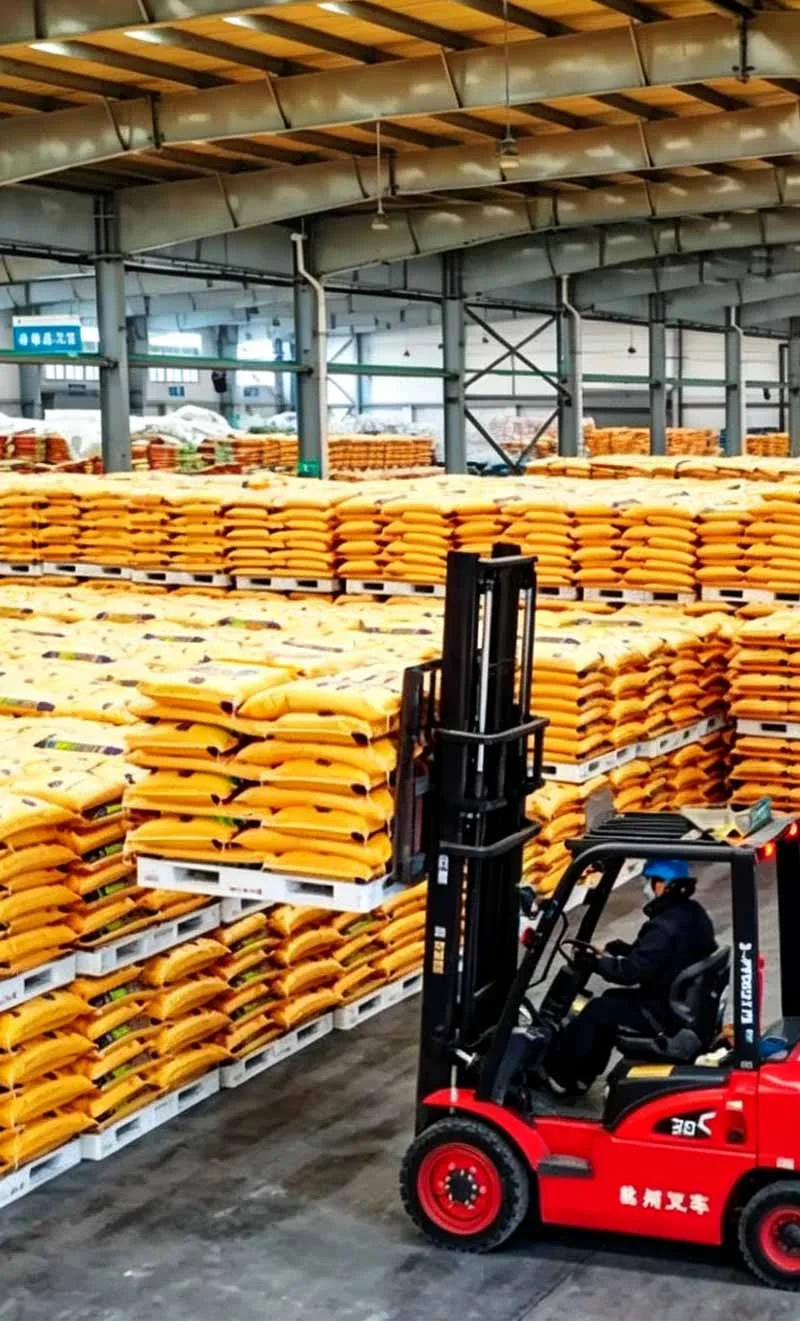
Dry bags can absorb moisture from a damp floor, condensation, rain exposure, or wet dunnage. Use suitable liners, desiccant, pallets, and barrier materials according to cargo and route. Before the team advances fertilizer container loading checklist, convert this point into a check that can be performed under normal farm, plant, warehouse, or loading conditions.
Do not load visibly damp or damaged packaging. Write down both the acceptable condition and the stop condition. Clear limits reduce preventable damage and shorten any later investigation.
Review fertilizer supply service while checking protect fertilizer from moisture. It provides an adjacent product view, but a different physical form or delivery route may require a different quality test.
Distribute weight and secure the load
Concentrated weight can exceed operational or legal limits and make unloading unsafe. Plan axle distribution, stack height, gaps, blocking, and bracing. In day-to-day work, that makes this a scheduling and responsibility question inside the fertilizer container loading checklist program.
Follow carrier, container, and destination requirements. Ask the people doing the work what they observed; handling details and field variation often explain differences that a laboratory sheet cannot show.
The USDA NRCS soil health resources supports a connected view of soil function. It is especially relevant to fertilizer container loading checklist where plan axle distribution, stack height, gaps, blocking, and bracing.
Preserve labels and lot traceability
Shipping marks must remain visible enough for receiving and complaint investigation. Mixing lots without a loading map complicates inspection. These points deserve a separate step because changing them together with several other inputs would make fertilizer container loading checklist hard to interpret.
Record which lots occupy each container and pallet position. Preserve a simple baseline for the next review. The decision should be carried forward from written evidence rather than memory.
The US EPA nutrient management overview adds public-interest context to preserve labels and lot traceability. It reinforces the need to keep fertilizer container loading checklist within nutrient, label, and environmental limits.
Document the loading sequence
Take photographs at empty, quarter, half, three-quarter, full, door-closing, and seal stages as appropriate. Images should show packaging condition and arrangement. Together, these points define a boundary that the fertilizer container loading checklist plan should not cross without new evidence.
Store originals with inspection and transport records. Name the person who will make that check and keep the observation with the field, batch, or shipment record. This makes the process easier to revisit after the immediate work is finished.
Use the site’s reliable fertilizer supply guide as supporting background for document the loading sequence. The present page remains focused on the narrower question in its H1.
Verify doors, seal, and handover
Check that no bag obstructs the doors and that locking bars operate correctly. Apply the agreed seal and record its number on shipping documents. The two conditions belong in the same fertilizer container loading checklist review because a change in either one can alter the meaning of the result.
Transfer custody only after the final checklist is signed. Decide in advance what would justify continuing, adjusting, or stopping. That decision rule keeps the process useful when the outcome is less clear than expected.
The Utah State University Extension nutrient management guide offers additional extension context for verify doors, seal, and handover. Combine it with local crop recommendations and the written fertilizer container loading checklist record.

Distribute weight and secure the load: Questions and Records
This table links the H1 to a question, a responsible action, and a record suitable for later review. For this title, the relevant operating point is distribute weight and secure the load.
| Decision point | Working question | Required record |
|---|---|---|
| Approve the container before any bag enters | Check identification, structural condition, doors, floor, roof, walls, odors, light penetration, and signs of previous contamination? | Record the baseline before approval |
| Confirm the cargo and document count | Match product, lot, bag size, quantity, pallet plan, shipping marks, and purchase order? | Confirm the operating condition |
| Protect fertilizer from moisture | Dry bags can absorb moisture from a damp floor, condensation, rain exposure, or wet dunnage? | Assign a measurable field or quality check |
| Distribute weight and secure the load | Concentrated weight can exceed operational or legal limits and make unloading unsafe? | Set a stop rule and review point |
Do not mark a line complete from memory; attach the measurement, photograph, certificate, or observation. The article-specific review returns to protect fertilizer from moisture.
Questions Raised by Confirm the cargo and document count
Which evidence supports “Approve the container before any bag enters”?
Check identification, structural condition, doors, floor, roof, walls, odors, light penetration, and signs of previous contamination. That evidence forms the starting point for fertilizer container loading checklist; the applicable label and local requirements still control final use.
How should “Confirm the cargo and document count” be checked?
For fertilizer container loading checklist, resolve count or label discrepancies before loading. Treat the check as a separate decision so unrelated changes do not hide its effect.
What can a specification confirm about fertilizer container loading checklist?
A fertilizer container loading checklist specification can describe the material, but it cannot replace the field or operating fact that use suitable liners, desiccant, pallets, and barrier materials according to cargo and route.
Which sign should stop this program?
Pause fertilizer container loading checklist when the stated condition cannot be verified, safety is uncertain, or the team cannot record which lots occupy each container and pallet position.
What should be retained after “Verify doors, seal, and handover”?
Fertilizer Container Loading Checklist records should keep the product and lot, date, location, baseline, operating conditions, observations, and the decision made after staff transfer custody only after the final checklist is signed.
Verify doors, seal, and handover Before the Next Step
Check that no bag obstructs the doors and that locking bars operate correctly. That final control connects the earlier requirements to an evidence-based fertilizer container loading checklist decision. Use the seven section records together; one favorable observation should not erase a failed safety, compatibility, field, or quality condition.
To discuss approve the container before any bag enters, distribute weight and secure the load, or the specification for bagged fertilizer, contact the export team. Bring the intended use and the records named above so the next fertilizer container loading checklist step begins with the facts that matter to this H1.