

Table of Contents
The operational purpose of potassium humate powder vs flakes is physical-form comparison, not a general introduction to fertilizer. Compare the forms at working concentration is the first control; measure insoluble residue after a fixed method establishes the next. The discussion remains inside this use case so readers can turn it into a field or purchasing action.
Powder may wet quickly but form dust or lumps; flakes may be easier to handle yet need more dissolution time. At the same time, specify agitation, rest time, screen size, and reporting basis. Taken together, those details set the baseline for potassium humate powder vs flakes. Any unresolved safety, compatibility, or compliance question should be cleared before scale-up.
Compare the forms at working concentration
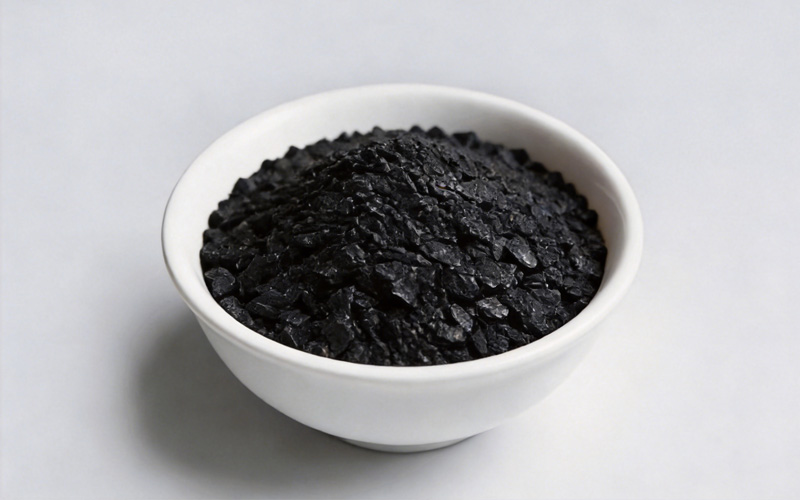
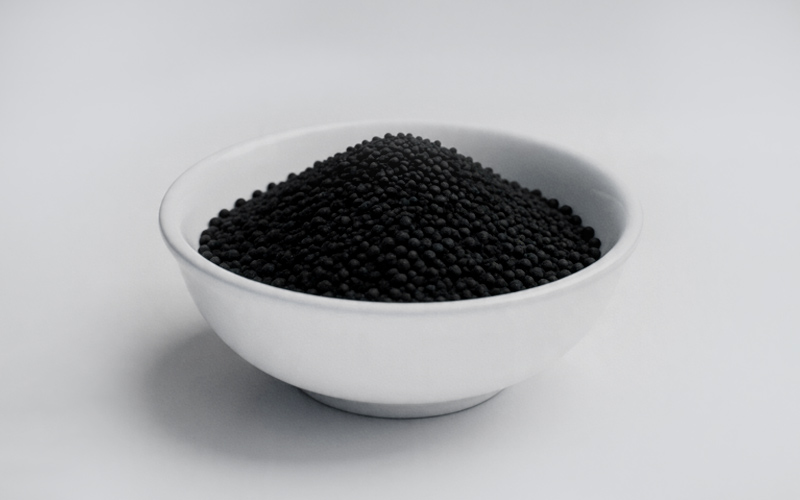
Powder may wet quickly but form dust or lumps; flakes may be easier to handle yet need more dissolution time. Appearance in the bag does not predict tank performance. That relationship determines how this stage of potassium humate powder vs flakes should be explained to operators and evaluated by technical staff.
Test both products in the same water, concentration, and temperature. Compare the outcome with the original objective, not with an unrelated visual change. Keep other major variables stable long enough to learn something useful.
Compare potassium humate product with the requirement to compare the forms at working concentration. The product page supplies form and declared information; the potassium humate powder vs flakes decision still depends on the field or purchasing evidence described here.
Measure insoluble residue after a fixed method
Dark color can conceal particles that later collect in filters. Specify agitation, rest time, screen size, and reporting basis. Before the team advances potassium humate powder vs flakes, convert this point into a check that can be performed under normal farm, plant, warehouse, or loading conditions.
Keep photographs and filtered residue from comparative tests. Write down both the acceptable condition and the stop condition. Clear limits reduce preventable damage and shorten any later investigation.
The FAO integrated plant nutrition guidance gives broader nutrient-management context for measure insoluble residue after a fixed method. Use that systems view when placing potassium humate powder vs flakes beside water, crop, soil, and environmental responsibilities.
Review bulk handling and worker exposure
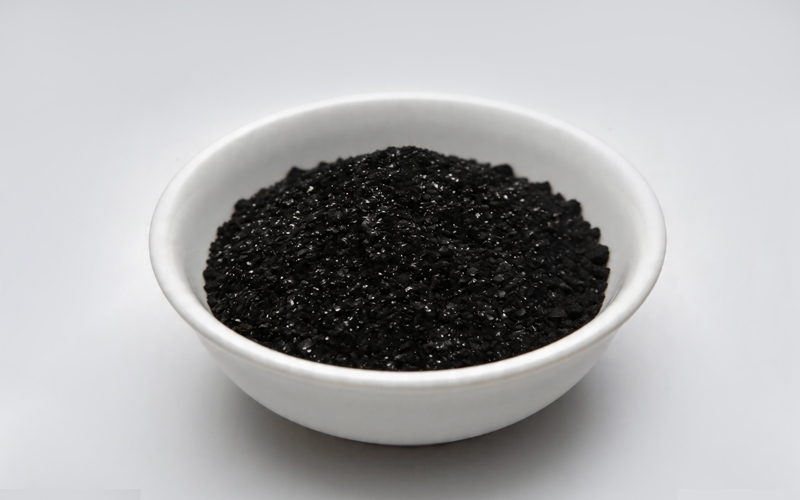
Fine powder can escape during bag opening and transfer. Flakes reduce some dust but may break during shipping. In day-to-day work, that makes this a scheduling and responsibility question inside the potassium humate powder vs flakes program.
Compare housekeeping, protective controls, feeding equipment, and loss. Ask the people doing the work what they observed; handling details and field variation often explain differences that a laboratory sheet cannot show.
Review Potassium Fulvate Series while checking review bulk handling and worker exposure. It provides an adjacent product view, but a different physical form or delivery route may require a different quality test.
Check metering and dosing consistency
Powder density and flow can vary with compaction and humidity. Large flakes may bridge in small hoppers or dissolve unevenly. These points deserve a separate step because changing them together with several other inputs would make potassium humate powder vs flakes hard to interpret.
Run repeat dosing tests with the planned equipment. Preserve a simple baseline for the next review. The decision should be carried forward from written evidence rather than memory.
The USDA NRCS soil health resources supports a connected view of soil function. It is especially relevant to potassium humate powder vs flakes where large flakes may bridge in small hoppers or dissolve unevenly.
Include packaging and humidity resistance
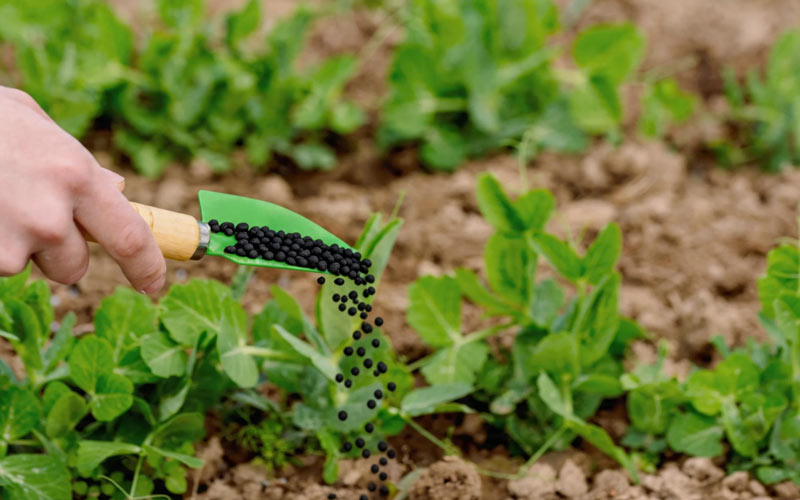
A moisture barrier, seal quality, pallet protection, and storage climate influence caking. Long transport can change the form delivered to the customer. Together, these points define a boundary that the potassium humate powder vs flakes plan should not cross without new evidence.
Inspect samples after realistic stacking and storage. Name the person who will make that check and keep the observation with the field, batch, or shipment record. This makes potassium humate powder vs flakes easier to revisit after the immediate work is finished.
The US EPA nutrient management overview adds public-interest context to include packaging and humidity resistance. It reinforces the need to keep potassium humate powder vs flakes within nutrient, label, and environmental limits.
Compare specifications beyond physical form
Humic content, potassium, moisture, pH, ash, solubility, and source still determine product fit. Powder and flake from different processes are not equivalent apart from shape. The two conditions belong in the same potassium humate powder vs flakes review because a change in either one can alter the meaning of the result.
Align methods and units on one comparison sheet. Decide in advance what would justify continuing, adjusting, or stopping. That decision rule keeps the process useful when the outcome is less clear than expected.
Use the site’s potassium humate drip irrigation guide as supporting background for compare specifications beyond physical form. The present page remains focused on the narrower question in its H1.
Choose from total process cost and risk
Purchase price alone omits mixing time, dust loss, filtration, labor, storage, and rejected batches. The preferred form is the one that runs consistently in the buyer’s system. For this part of potassium humate powder vs flakes, treat both as facts to verify rather than assumptions inherited from another crop, water source, machine, or supplier.
Document the decision with plant-trial evidence. Note the relevant date, location, lot, and operating condition. A later comparison is credible only when it can be traced to the circumstances in which it was made.
The Utah State University Extension nutrient management guide offers additional extension context for choose from total process cost and risk. Combine it with local crop recommendations and the written potassium humate powder vs flakes record.
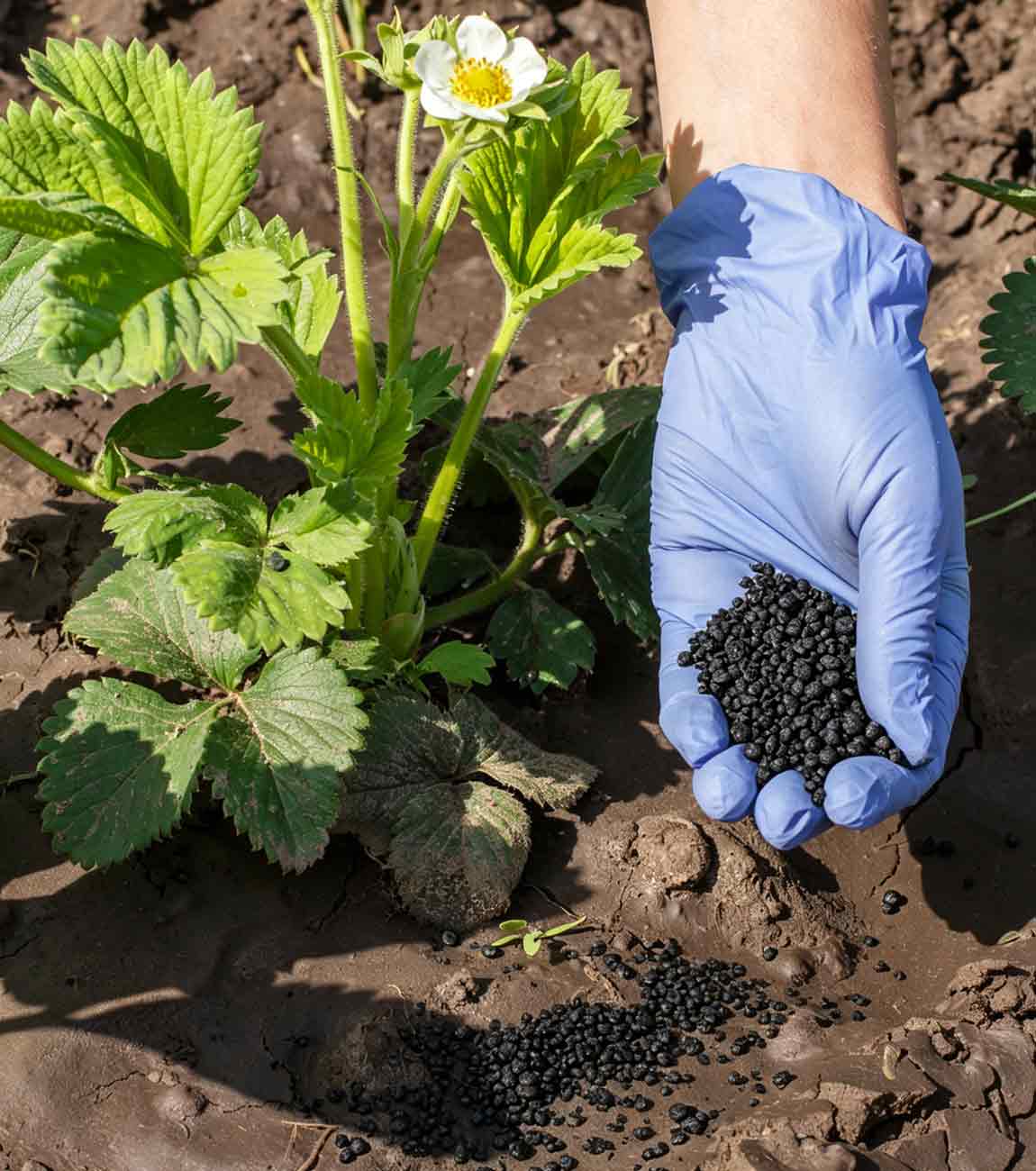
Check metering and dosing consistency: Questions and Records
Use these potassium humate powder vs flakes controls during the pre-work meeting rather than reconstructing them after a problem. For this title, the relevant operating point is check metering and dosing consistency.
| Decision point | Working question | Required record |
|---|---|---|
| Compare the forms at working concentration | Powder may wet quickly but form dust or lumps; flakes may be easier to handle yet need more dissolution time? | Record the baseline before approval |
| Measure insoluble residue after a fixed method | Dark color can conceal particles that later collect in filters? | Confirm the operating condition |
| Review bulk handling and worker exposure | Fine powder can escape during bag opening and transfer? | Assign a measurable field or quality check |
| Check metering and dosing consistency | Powder density and flow can vary with compaction and humidity? | Set a stop rule and review point |
Do not mark a line complete from memory; attach the measurement, photograph, certificate, or observation. The article-specific review returns to review bulk handling and worker exposure.
Questions Raised by Measure insoluble residue after a fixed method
Which evidence supports “Compare the forms at working concentration”?
Powder may wet quickly but form dust or lumps; flakes may be easier to handle yet need more dissolution time. That evidence forms the starting point for potassium humate powder vs flakes; the applicable label and local requirements still control final use.
How should “Measure insoluble residue after a fixed method” be checked?
For potassium humate powder vs flakes, specify agitation, rest time, screen size, and reporting basis. Treat the check as a separate decision so unrelated changes do not hide its effect.
What can a specification confirm about potassium humate powder vs flakes?
A potassium humate powder vs flakes specification can describe the material, but it cannot replace the field or operating fact that flakes reduce some dust but may break during shipping.
Which sign should stop this program?
Pause potassium humate powder vs flakes when the stated condition cannot be verified, safety is uncertain, or the team cannot inspect samples after realistic stacking and storage.
What should be retained after “Choose from total process cost and risk”?
Potassium Humate Powder Vs Flakes records should keep the product and lot, date, location, baseline, operating conditions, observations, and the decision made after staff document the decision with plant-trial evidence.
Choose from total process cost and risk Before the Next Step
Purchase price alone omits mixing time, dust loss, filtration, labor, storage, and rejected batches. That final control connects the earlier requirements to an evidence-based potassium humate powder vs flakes decision. Use the seven section records together; one favorable observation should not erase a failed safety, compatibility, field, or quality condition.
To discuss compare the forms at working concentration, check metering and dosing consistency, or the specification for potassium humate, contact the technical team. Bring the intended use and the records named above so the next potassium humate powder vs flakes step begins with the facts that matter to this H1.