


Exploring the role of potassium fulvic acid and organic fertilizers in sustainable agriculture development.
As global agriculture faces increasing pressure from soil degradation, climate variability, and the demand for higher productivity, advanced fertilizer technologies are playing a critical role in transforming farming practices. Among these innovations, potassium fulvic acid and protein-based organic fertilizers have emerged as key solutions for improving soil health and maximizing crop yield in a sustainable way.
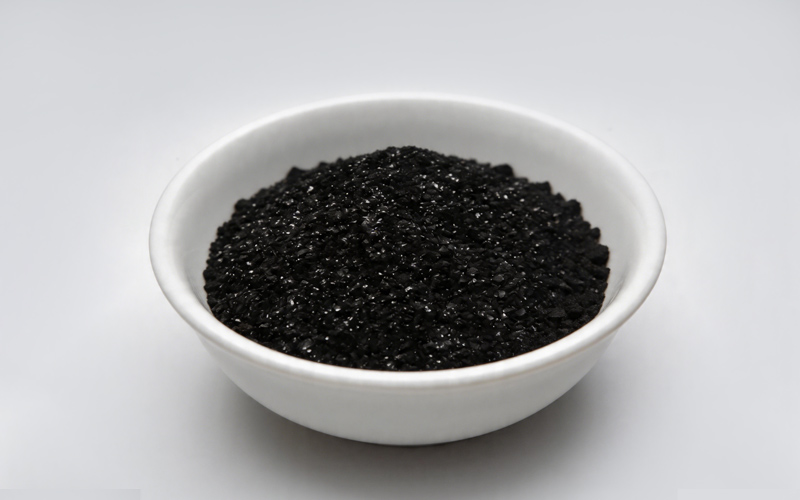
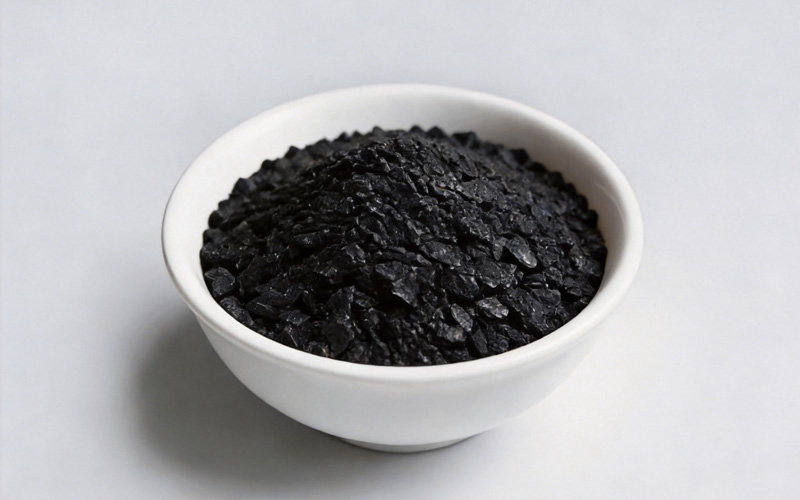
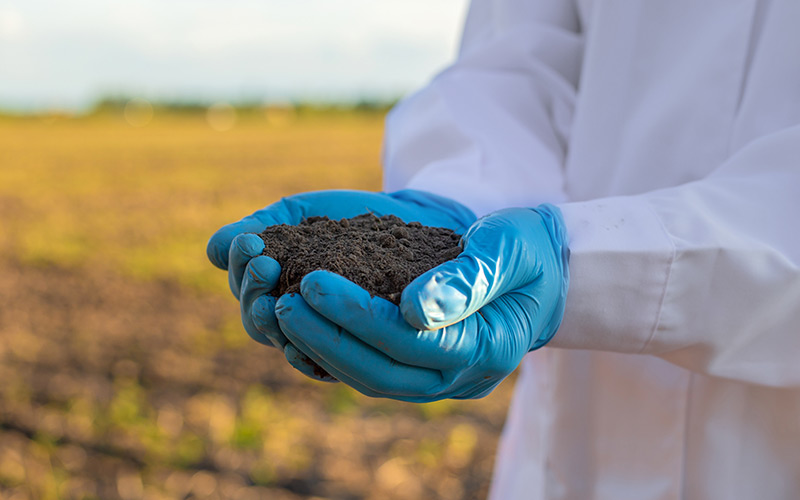
Soil degradation has become one of the most pressing challenges in modern agriculture. Continuous cropping, excessive use of chemical fertilizers, and poor soil management have led to declining soil fertility, reduced microbial activity, and lower nutrient efficiency. In this context, the use of bioactive substances such as fulvic acid has gained significant attention. Potassium fulvic acid is known for its small molecular structure, which allows it to penetrate plant cells easily and enhance nutrient absorption. It also improves soil structure by increasing porosity and water retention capacity, creating a more favorable environment for root development.
In addition to improving soil properties, potassium fulvic acid plays a vital role in enhancing plant resistance to environmental stress. Crops treated with fulvic acid fertilizers often show improved tolerance to drought, salinity, and temperature fluctuations. This makes it particularly valuable in regions facing unpredictable climate conditions. Furthermore, it supports the activation of beneficial soil microorganisms, which contribute to nutrient cycling and long-term soil fertility.
Protein-based organic fertilizers represent another important advancement in sustainable agriculture. Produced from high-quality plant and animal protein sources, these fertilizers provide a rich and balanced supply of nutrients. Unlike conventional fertilizers that release nutrients rapidly, organic protein fertilizers offer a slow and steady nutrient release, ensuring prolonged soil fertility and minimizing nutrient loss. This not only improves crop growth but also reduces environmental impact, making it an ideal choice for eco-friendly farming systems.
The integration of these advanced fertilizers into modern agricultural practices brings multiple benefits. Farmers can achieve higher yields, improved crop quality, and better economic returns, while also maintaining soil health for future production. Additionally, the growing demand for organic and sustainable agricultural products in international markets has further accelerated the adoption of these fertilizers.
From a global perspective, fertilizer manufacturers with strong R&D capabilities and production expertise are becoming essential partners in agricultural development. By combining scientific innovation with practical field application, they are able to provide customized solutions tailored to different crops, soil conditions, and regional requirements.
Looking ahead, the future of agriculture will increasingly depend on sustainable input solutions that balance productivity and environmental responsibility. Advanced fertilizers such as potassium fulvic acid and protein organic fertilizers will continue to play a central role in this transition, helping farmers worldwide achieve long-term success while protecting natural resources.