


Understanding the shift from conventional inputs to sustainable fertilization solutions worldwide.
The global agricultural industry is undergoing a significant transformation as farmers, governments, and consumers increasingly prioritize sustainability, environmental protection, and food safety. One of the most important trends driving this transformation is the shift from conventional chemical fertilizers to organic and bio-based fertilization solutions. Among these, organic fertilizers and bioactive products such as fulvic acid are gaining widespread recognition for their ability to enhance productivity while preserving ecological balance.
Traditional chemical fertilizers have long been used to boost crop yields; however, their excessive and improper use has led to serious environmental issues, including soil degradation, water pollution, and loss of biodiversity. As a result, there is growing awareness of the need for more sustainable alternatives that can maintain soil health while ensuring consistent agricultural output.
Organic fertilizers, particularly those derived from protein-rich materials, offer a comprehensive solution to these challenges. They improve soil organic matter content, enhance microbial activity, and promote the natural fertility of the soil. By providing a balanced and slow-release nutrient supply, organic fertilizers support steady plant growth and reduce the risk of nutrient leaching. This contributes to more efficient nutrient utilization and minimizes environmental impact.
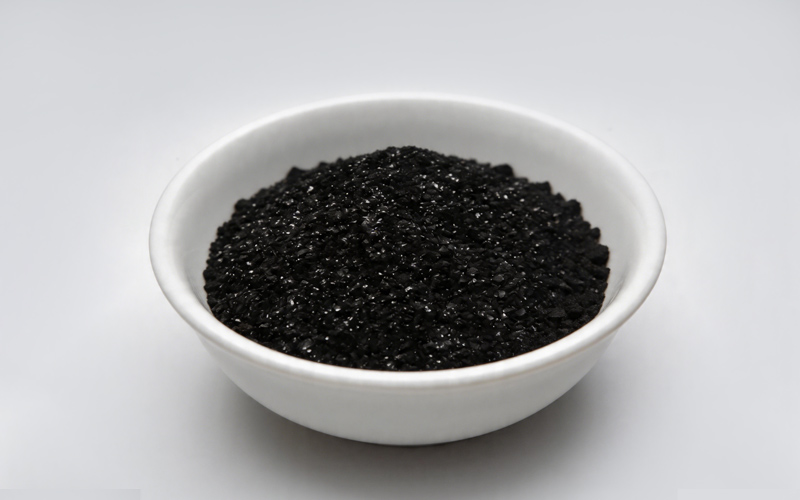
Bio-based fertilizers such as potassium fulvic acid further complement organic fertilization strategies. Due to its strong chelating ability, fulvic acid enhances the availability and absorption of essential nutrients, including nitrogen, phosphorus, and potassium. It also stimulates root growth and improves plant metabolism, leading to healthier crops and higher yields. In addition, fulvic acid plays a key role in improving soil structure, increasing aeration, and enhancing water retention capacity.
The adoption of organic and bio-based fertilizers is also being driven by market demand. Consumers around the world are increasingly seeking safe, high-quality, and environmentally friendly agricultural products. This trend is particularly strong in developed markets, where organic certification and sustainable production practices are becoming essential requirements for market access. As a result, farmers are actively seeking reliable fertilizer solutions that can help them meet these standards.
For fertilizer manufacturers and suppliers, this shift presents both opportunities and challenges. Companies with advanced production capabilities, strict quality control systems, and strong technical support are well-positioned to meet the evolving needs of the market. Providing customized solutions, including tailored formulations and application guidance, has become a key competitive advantage.
Moreover, international trade in fertilizers is becoming more regulated, with stricter standards on product quality, safety, and environmental compliance. This requires exporters to have a deep understanding of global regulations and the ability to provide complete documentation and certification. Efficient logistics and reliable delivery are also critical factors in building long-term partnerships with overseas customers.
In conclusion, the transition toward organic and bio-based fertilizers represents a fundamental shift in modern agriculture. By improving soil health, enhancing crop productivity, and reducing environmental impact, these solutions are shaping the future of sustainable farming. As innovation continues to advance, their role in global agriculture will only become more significant.