

Table of Contents
When meat-protein bio-organic fertilizer is being evaluated, meat protein organic fertilizer calls for a separate work plan. Clarify what the product name actually describes is the first control; review processing and hygiene controls establishes the next. What follows is organized around those controls, with no attempt to force the topic into a general guide.
Ask which processed protein materials are used and whether the name refers to a feedstock, a nitrogen source, or a finished formulation. At the same time, the relevant legal and sanitary requirements depend on origin and destination markets. Taken together, those details set the baseline for meat protein organic fertilizer. Rates and final approvals remain with the applicable label and qualified local advice.
Clarify what the product name actually describes
Ask which processed protein materials are used and whether the name refers to a feedstock, a nitrogen source, or a finished formulation. Broad commercial terms do not replace a composition statement. The two conditions belong in the same meat protein organic fertilizer review because a change in either one can alter the meaning of the result.
Require the product description to match labels and shipping documents. Decide in advance what would justify continuing, adjusting, or stopping. That decision rule keeps the process useful when the outcome is less clear than expected.
Compare bio-organic fertilizer products with the requirement to clarify what the product name actually describes. The product page supplies form and declared information; the meat protein organic fertilizer decision still depends on the field or purchasing evidence described here.
Review processing and hygiene controls
Animal-origin materials require controlled collection, processing, drying, and storage. The relevant legal and sanitary requirements depend on origin and destination markets. For this part of meat protein organic fertilizer, treat both as facts to verify rather than assumptions inherited from another crop, water source, machine, or supplier.
Ask for process information and compliance documents without assuming one certificate applies everywhere. Note the relevant date, location, lot, and operating condition. A later comparison is credible only when it can be traced to the circumstances in which it was made.
The FAO integrated plant nutrition guidance gives broader nutrient-management context for review processing and hygiene controls. Use that systems view when placing meat protein organic fertilizer beside water, crop, soil, and environmental responsibilities.

Interpret nutrient analysis on the correct basis
Compare total nutrients, moisture, organic matter, and any declared amino-acid or protein-related values using consistent units. A high headline percentage may change when calculated on an as-received basis. The consequence for meat protein organic fertilizer is straightforward: this is a distinct control point and should not be hidden inside a general application or purchase instruction.
Confirm whether results are guarantees, ranges, or typical values. If it cannot be completed, reduce the scope of the trial or hold the decision until the missing condition is resolved.
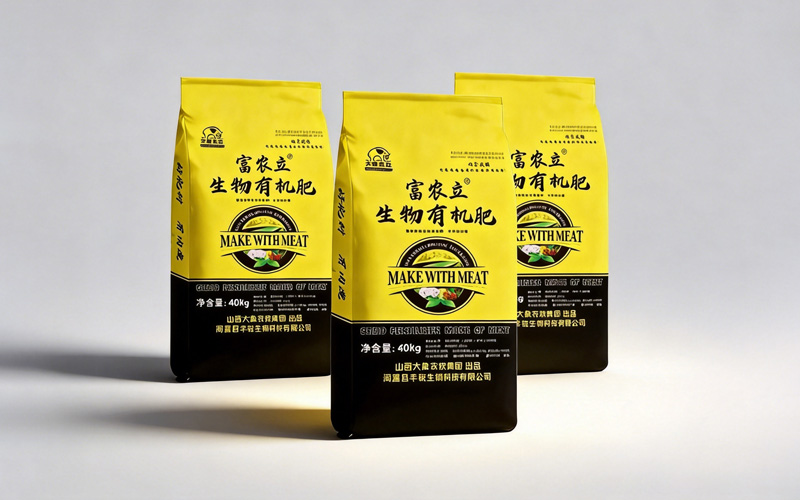
Review Funongli Bio-Organic Fertilizer while checking interpret nutrient analysis on the correct basis. It provides an adjacent product view, but a different physical form or delivery route may require a different quality test.
Inspect odor, moisture, and physical stability
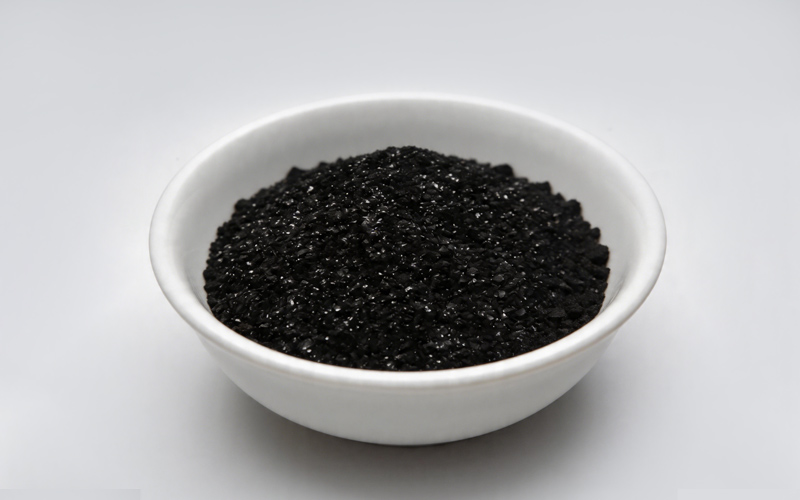
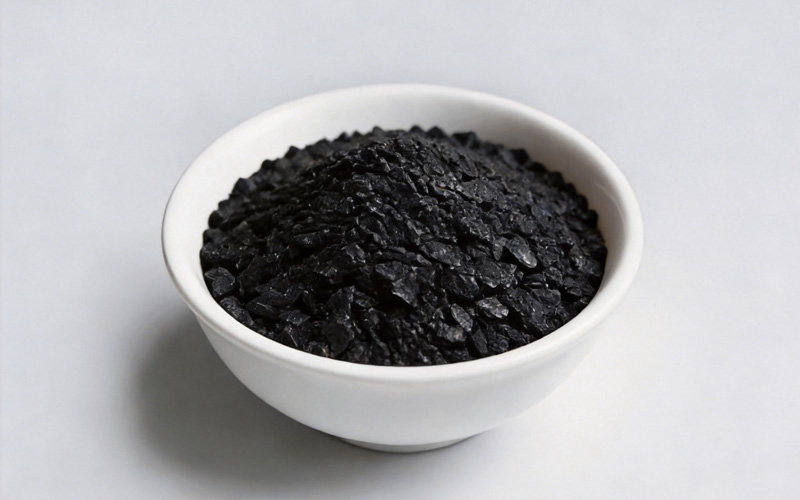
Unusual odor, dampness, heating, caking, insects, or damaged bags can indicate handling or storage problems. Normal appearance must be defined for the product before inspection. That relationship determines how this stage of meat protein organic fertilizer should be explained to operators and evaluated by technical staff.
Record representative photographs and sample locations at receipt. Compare the outcome with the original objective, not with an unrelated visual change. Keep other major variables stable long enough to learn something useful.
The USDA NRCS soil health resources supports a connected view of soil function. It is especially relevant to meat protein organic fertilizer where normal appearance must be defined for the product before inspection.
Assess crop-use fit and release pattern
Processed organic nitrogen sources may behave differently from soluble mineral fertilizers. Soil temperature, moisture, microbial activity, placement, and particle size influence availability. Before the team advances meat protein organic fertilizer, convert this point into a check that can be performed under normal farm, plant, warehouse, or loading conditions.
Use local nutrient planning rather than promising a fixed release schedule. Write down both the acceptable condition and the stop condition. Clear limits reduce preventable damage and shorten any later investigation.
The US EPA nutrient management overview adds public-interest context to assess crop-use fit and release pattern. It reinforces the need to keep meat protein organic fertilizer within nutrient, label, and environmental limits.
Check contaminants and restricted materials
Destination rules may address pathogens, heavy metals, animal by-products, labeling, and registration. A buyer should identify applicable limits before approving production. In day-to-day work, that makes this a scheduling and responsibility question inside the meat protein organic fertilizer program.
Use qualified laboratories and methods recognized for the market. Ask the people doing the work what they observed; handling details and field variation often explain differences that a laboratory sheet cannot show.
Use the site’s bio-organic fertilizer comparison as supporting background for check contaminants and restricted materials. The present page remains focused on the narrower question in its H1.
Link the sample to future commercial lots
A polished sales sample has limited value unless its source, production date, and relationship to shipment material are clear. Agree on retained samples and lot identification. These points deserve a separate step because changing them together with several other inputs would make meat protein organic fertilizer hard to interpret.
Approve the supplier through documents, process controls, and receiving evidence together. Preserve a simple baseline for the next review. The decision should be carried forward from written evidence rather than memory.
The Utah State University Extension nutrient management guide offers additional extension context for link the sample to future commercial lots. Combine it with local crop recommendations and the written meat protein organic fertilizer record.
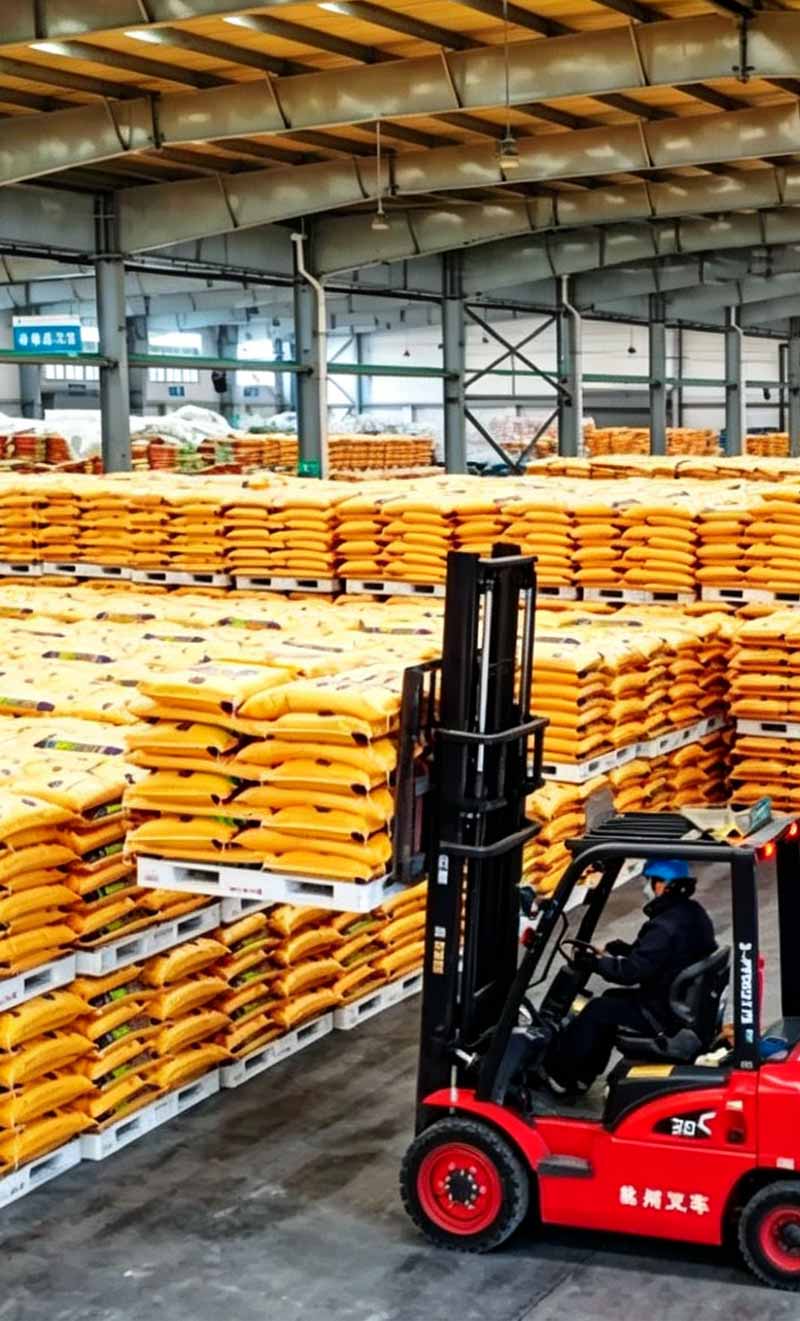
Inspect odor, moisture, and physical stability: Questions and Records
For meat protein organic fertilizer, these are the first four controls a technical buyer should place on one sheet. For this title, the relevant operating point is inspect odor, moisture, and physical stability.
| Decision point | Working question | Required record |
|---|---|---|
| Clarify what the product name actually describes | Ask which processed protein materials are used and whether the name refers to a feedstock, a nitrogen source, or a finished formulation? | Record the baseline before approval |
| Review processing and hygiene controls | Animal-origin materials require controlled collection, processing, drying, and storage? | Confirm the operating condition |
| Interpret nutrient analysis on the correct basis | Compare total nutrients, moisture, organic matter, and any declared amino-acid or protein-related values using consistent units? | Assign a measurable field or quality check |
| Inspect odor, moisture, and physical stability | Unusual odor, dampness, heating, caking, insects, or damaged bags can indicate handling or storage problems? | Set a stop rule and review point |
If one line cannot be answered, keep meat protein organic fertilizer at a smaller scale until the missing evidence is available. The article-specific review returns to interpret nutrient analysis on the correct basis.
Questions Raised by Review processing and hygiene controls
Which evidence supports “Clarify what the product name actually describes”?
Ask which processed protein materials are used and whether the name refers to a feedstock, a nitrogen source, or a finished formulation. That evidence forms the starting point for meat protein organic fertilizer; the applicable label and local requirements still control final use.
How should “Review processing and hygiene controls” be checked?
For meat protein organic fertilizer, the relevant legal and sanitary requirements depend on origin and destination markets. Treat the check as a separate decision so unrelated changes do not hide its effect.
What can a specification confirm about meat protein organic fertilizer?
A meat protein organic fertilizer specification can describe the material, but it cannot replace the field or operating fact that a high headline percentage may change when calculated on an as-received basis.
Which sign should stop this program?
Pause meat protein organic fertilizer when the stated condition cannot be verified, safety is uncertain, or the team cannot use local nutrient planning rather than promising a fixed release schedule.
What should be retained after “Link the sample to future commercial lots”?
Meat Protein Organic Fertilizer records should keep the product and lot, date, location, baseline, operating conditions, observations, and the decision made after staff approve the supplier through documents, process controls, and receiving evidence together.
Link the sample to future commercial lots Before the Next Step
A polished sales sample has limited value unless its source, production date, and relationship to shipment material are clear. That final control connects the earlier requirements to an evidence-based meat protein organic fertilizer decision. Use the seven section records together; one favorable observation should not erase a failed safety, compatibility, field, or quality condition.
To discuss clarify what the product name actually describes, inspect odor, moisture, and physical stability, or the specification for meat-protein bio-organic fertilizer, contact the technical team. Bring the intended use and the records named above so the next meat protein organic fertilizer step begins with the facts that matter to this H1.