Table of Contents
A useful evaluation of organic fertilizer for gardening starts with a defined operating question. This guide focuses on supplying community garden projects and the evidence a buyer, formulator or grower can use to make that decision. The relevant Chunlei product is Funongli Bio-Organic Fertilizer.
The practical question behind organic fertilizer for gardening
For organic fertilizer for gardening, community garden purchasers often need one delivery to serve plots with very different histories. A single bag instruction cannot account for every soil and crop combination.
Where the Chunlei grade fits
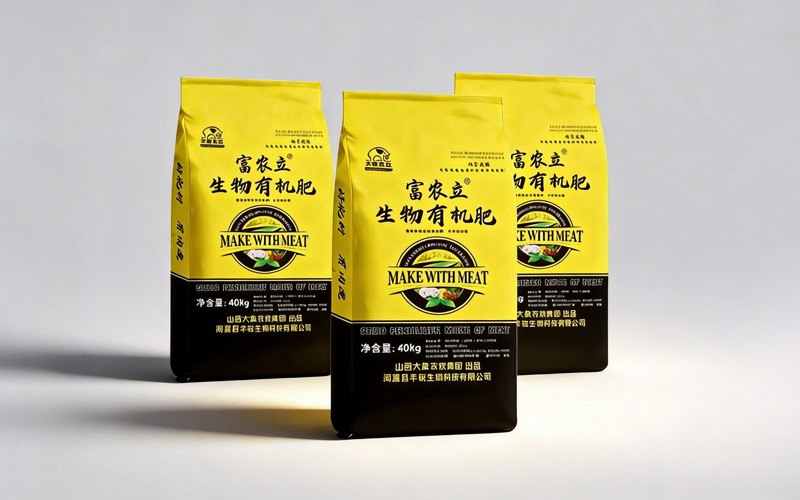
Chunlei places Funongli Bio-Organic Fertilizer in its Meat Protein Organic Fertilizer Series. organic fertilizer for gardening page identifies Bacillus amyloliquefaciens and describes organic matter and nutrient content. Buyers should request the current organism identification, viable-count method, individual nutrient breakdown and batch documentation for organic fertilizer for gardening offered. A combined nutrient sum is insufficient for a nitrogen-specific calculation. See Funongli Bio-Organic Fertilizer.
A microbial statement needs a unit, a test method and a defined point in shelf life. Ask which value is guaranteed and how storage conditions affect that guarantee. For nutrient planning, obtain the individual nitrogen, phosphorus and potassium figures rather than relying on their combined sum. Organic matter and biological components do not eliminate the need for a complete crop nutrient budget.
Evaluate Funongli in the intended soil and crop system with an appropriate comparison. A viable-count result describes a tested sample, while field establishment and crop response are separate questions. Ingredient transparency is also useful for customers reviewing animal-derived inputs or certified-production requirements. Request the exact formulation information needed for that review before confirming the order. Compare the Meat Protein Organic Fertilizer Series when selecting a related grade.
Make a shared purchase usable across different plots
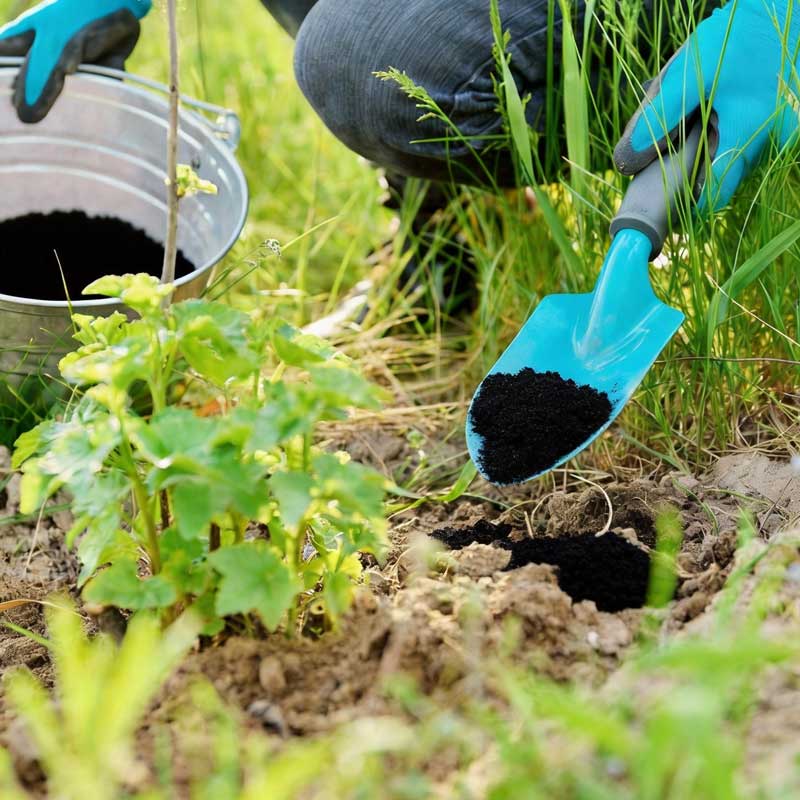
Shared garden projects can centralize purchasing without assuming all plots need the same treatment. Gather basic soil information and intended crops from the participating plots. Group similar situations where practical and identify those that need individual advice. A simple record sheet helps the coordinator see how much material has actually been used.
Provide clear units and the current product instructions with the delivery. Explain that a product quantity per area is different from a scoop size, and that scoop mass can vary with material condition. Encourage users to record the area treated and the measured amount. Keep partially used bags labeled and protected according to the supplier’s directions. The organic fertilizer for gardening comparison should use the same conditions for each candidate grade.
Review the project after a growing period. Look for plots receiving repeated additions from several people, or plots whose history is lost when a gardener changes. Use the review to improve records and soil testing rather than to claim that every visible difference came from the fertilizer. Shared procurement works best when it supports informed local decisions. Background reading: UMN Extension.
Make the decision from comparable evidence
When evaluating organic fertilizer for gardening, group plots by relevant soil information and intended crops, then provide a simple record sheet with organic fertilizer for gardening. Arrange technical support for plots with unusual test results.
Create a one-page baseline for the field or production unit. Include the crop and stage, the diagnosed limitation, relevant soil or substrate information, irrigation arrangement and all current inputs. This baseline prevents the new product from being assessed against an imaginary zero-input system. It also gives technical support a clear starting point for discussing whether the proposed grade has a useful role.
Keep the records that answer this question
A useful organic fertilizer for gardening record is specific: keep organic fertilizer for gardening analysis, application records and soil reports accessible to the garden coordinator. Make unit conversions easy to check.
A practical follow-up schedule uses a small number of planned observations rather than constant informal inspection. Select a starting measurement, an observation after the relevant operation and a final crop or market endpoint. Record the method each time. If the crop encounters an unrelated problem, retain that event in the log and explain how it limits the comparison instead of silently discarding the affected result.
Compare the three checks that matter
| Decision point | Evidence to compare | Practical implication |
|---|---|---|
| Plot grouping | Soil and crop context known | Avoid a universal rate |
| Instructions | Measured mass and area | Reduce unit confusion |
| Continuity | Records transfer between users | Prevent repeated untracked additions |
Put the evaluation into a working procedure
Choose a limited, representative evaluation before changing the whole program. Write down the intended operation, the comparison treatment and the measure that will determine success. Use the current product directions and local agronomic advice for the actual rate and route. Keep a record of conditions on the application day, including interruptions or deviations from the plan.
Review the result at the stage relevant to the business. Compare marketable output, quality or establishment with the added product and application cost. Retain negative and uncertain observations as well as improvements. A clear record may support expansion, a revised test or a decision to keep the existing practice. All three are more useful than assuming a benefit because the application was completed.
Keep the recommendation specific enough for another grower to understand its limits. Name organic fertilizer for gardening, crop context, preparation and management conditions. Explain which input information came from the supplier and which outcome was measured locally. This distinction helps the sales or agronomy team answer the next customer without turning one local evaluation into a universal performance claim.
Know the limits before expanding the program
The limit for organic fertilizer for gardening is important. Do not encourage every gardener to add a fixed amount regardless of existing fertility. The project should prevent cumulative over-application as plots change users.
For organic fertilizer for gardening, the next useful step is to resolve the specific information gap identified above. Keep the current specification, operating conditions and comparison results together. An approval should state what was checked and the use it covers, so a later change in water, equipment, formulation or crop context can be reviewed against the same basis.
Discuss the specification with Chunlei
Chunlei offers manufacturing, technical support, OEM customization and export logistics services. Send an inquiry for organic fertilizer for gardening with the intended use, target market, required form, order quantity and the records relevant to this guide. Ask for the current grade specification, a representative sample and an explanation of any result or claim that is not yet clear. Review Chunlei services or contact the team.
Frequently asked questions
What should I check first when evaluating organic fertilizer for gardening?
For organic fertilizer for gardening, group plots by relevant soil information and intended crops, then provide a simple record sheet with the product. Arrange technical support for plots with unusual test results.
Which records make this comparison useful?
For organic fertilizer for gardening, keep the product analysis, application records and soil reports accessible to the garden coordinator. Make unit conversions easy to check.
Can a photograph establish the quality of organic fertilizer for gardening?
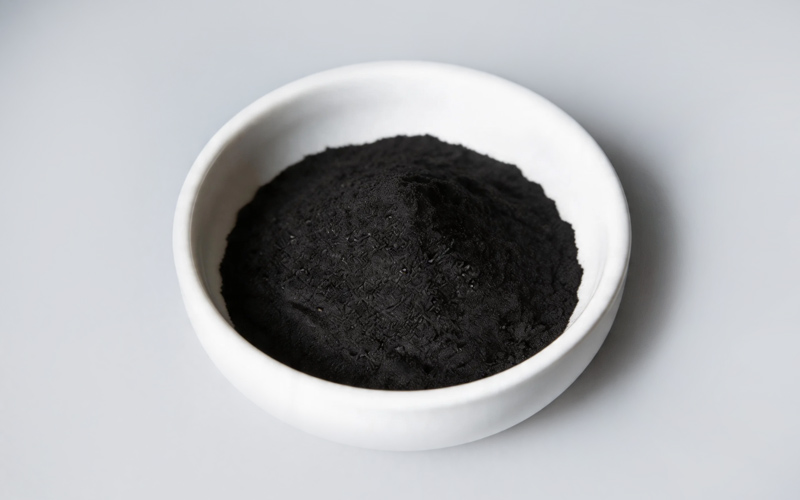
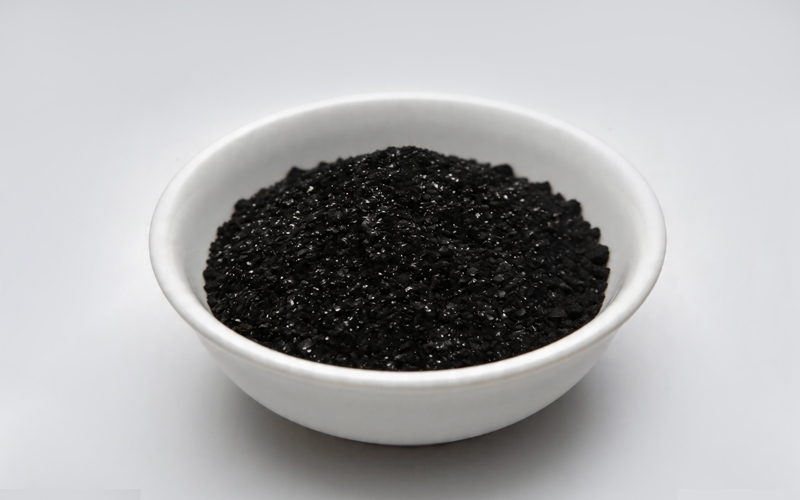
No. A photograph can illustrate appearance and handling context, but composition and acceptance require a representative sample, appropriate methods and documents linked to the actual lot. Use photographs as part of the record rather than as a replacement for it.
Does one successful test justify a wider claim?
For organic fertilizer for gardening, do not encourage every gardener to add a fixed amount regardless of existing fertility. The project should prevent cumulative over-application as plots change users.
What information should I send with an inquiry?
Identify the exact Funongli Bio-Organic Fertilizer grade, intended use, destination and required quantity. Include the specific question about organic fertilizer for gardening, the conditions already tested and any acceptance requirements. This helps the technical and export teams respond with relevant specifications and sample options.